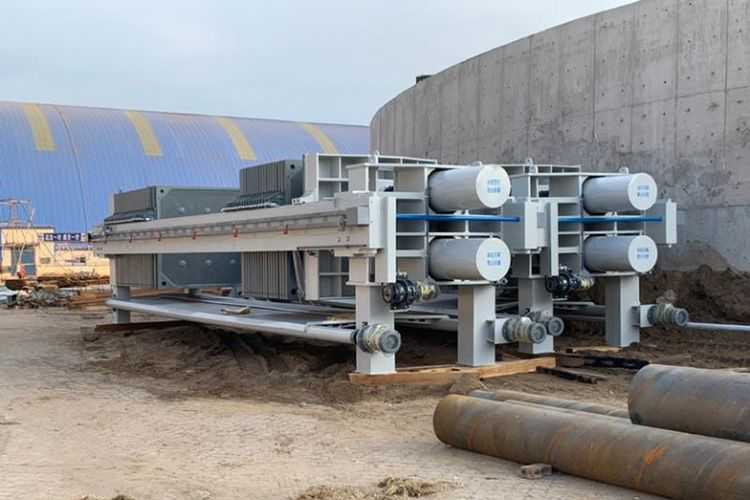
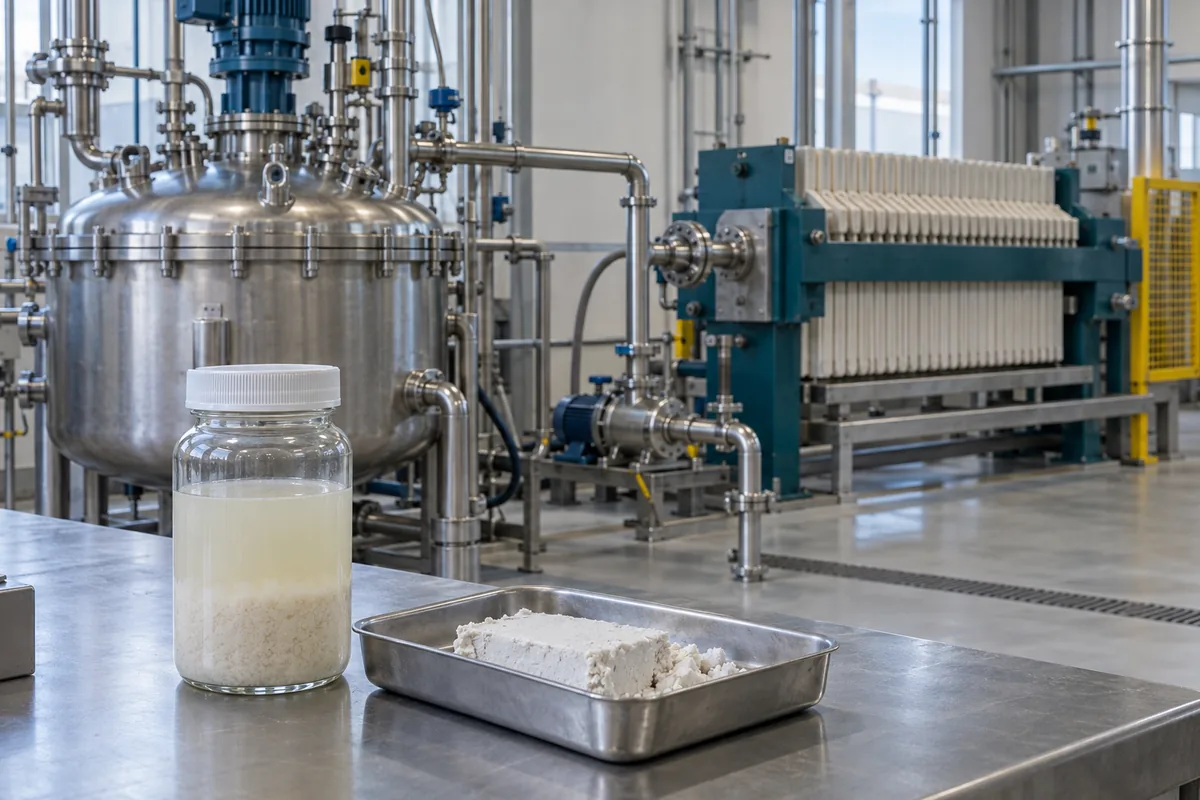
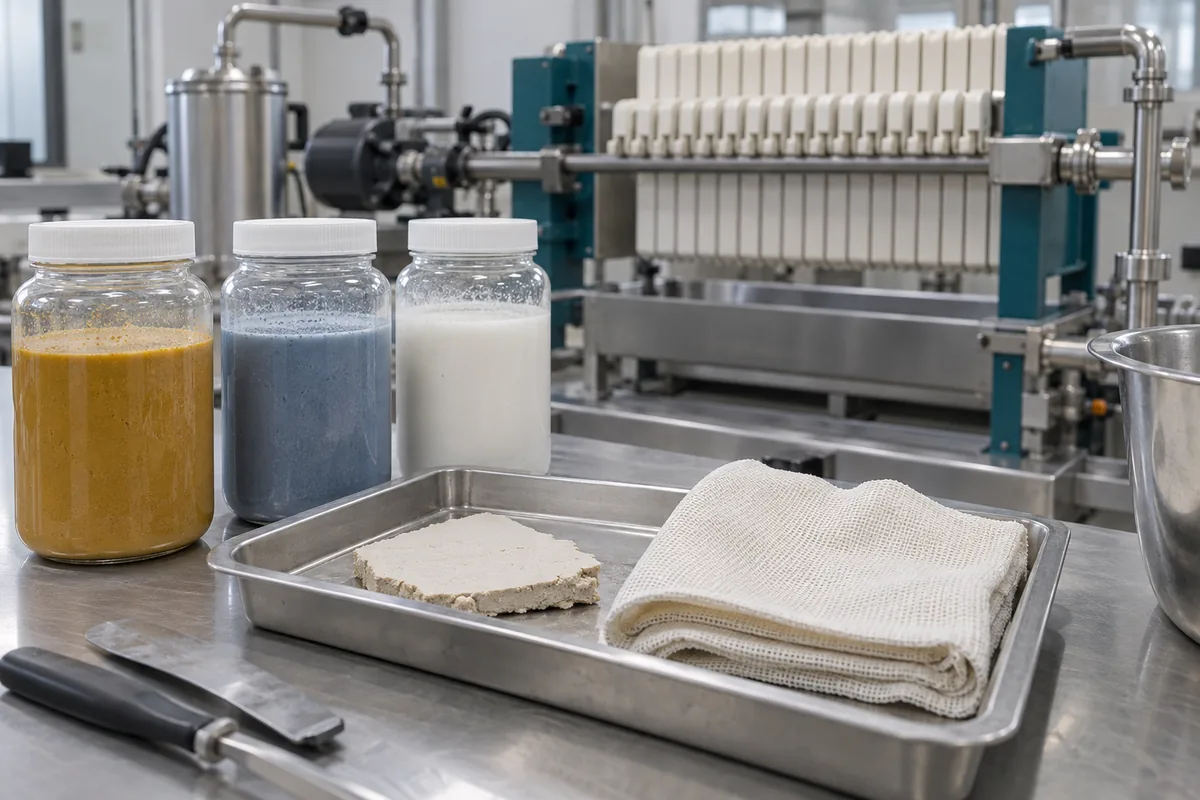
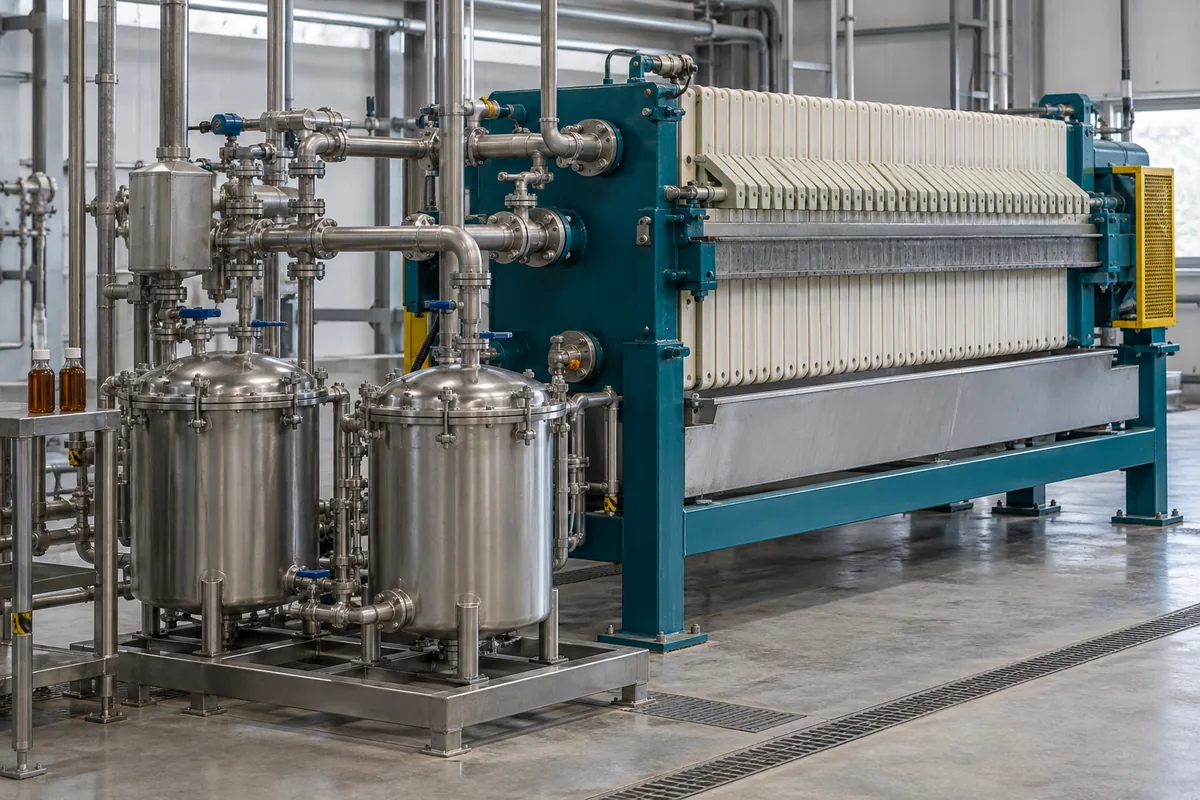
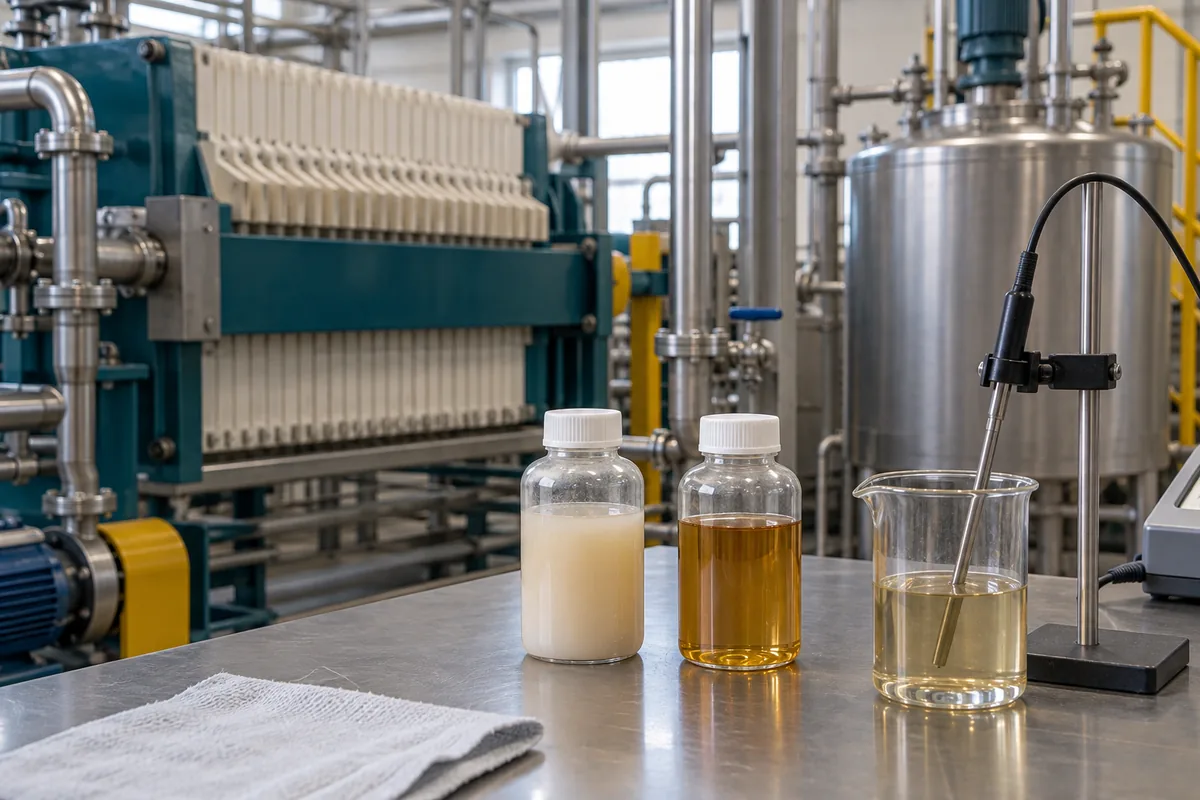
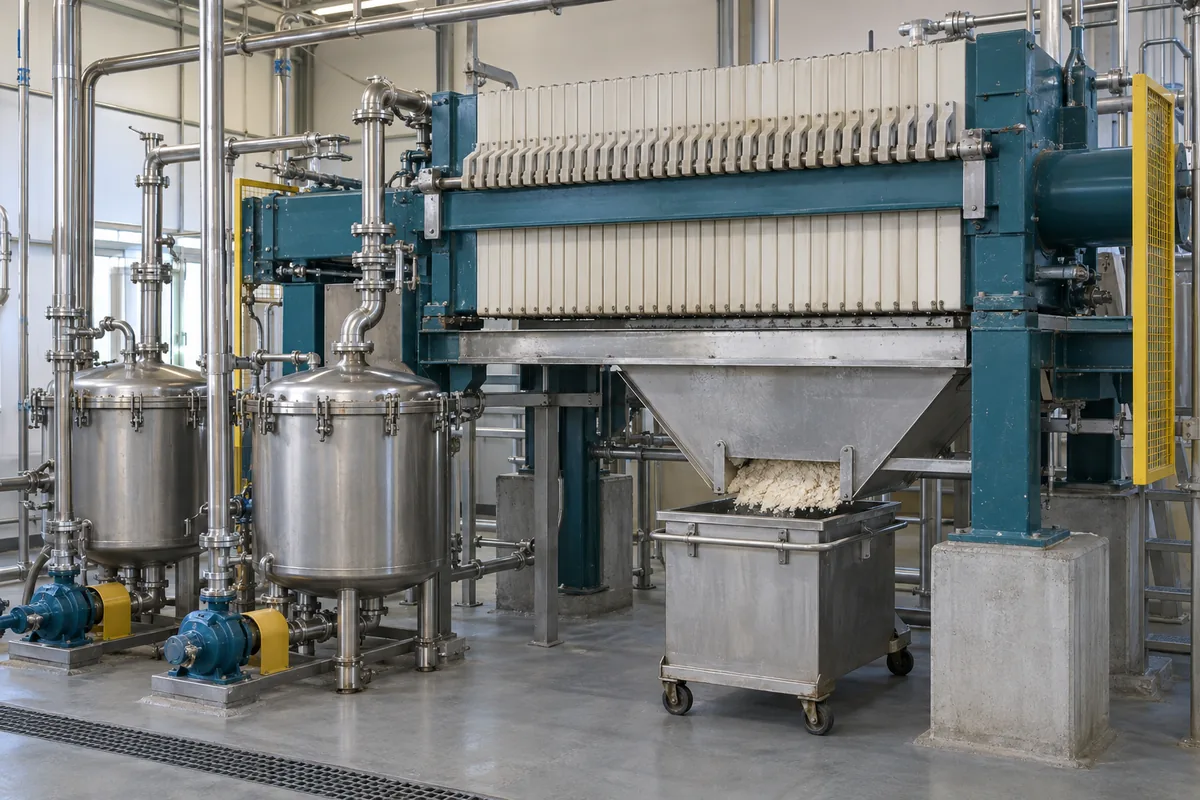
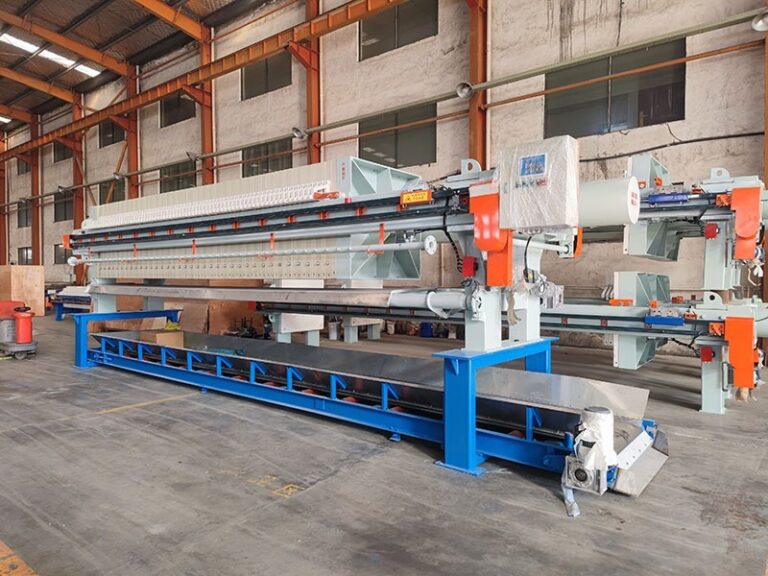
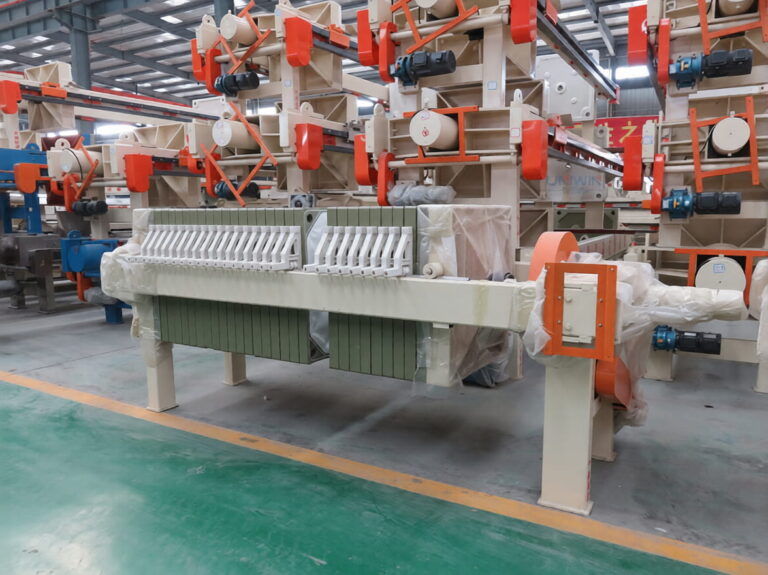
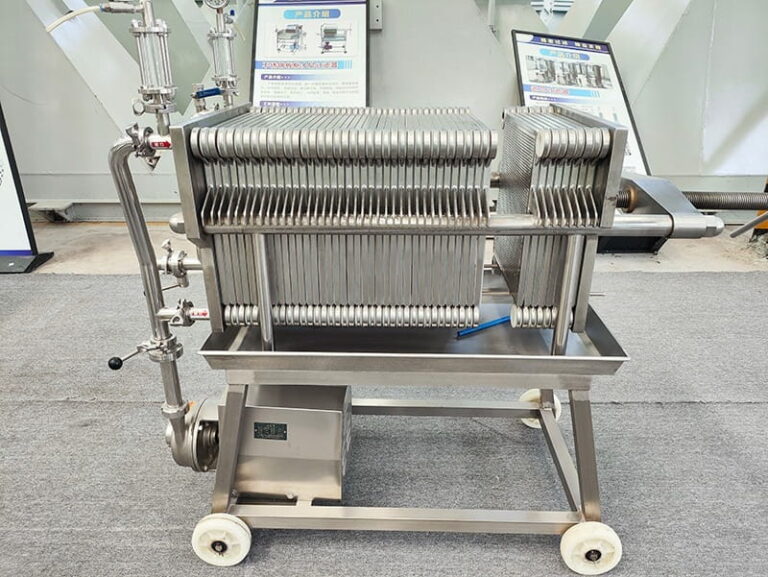
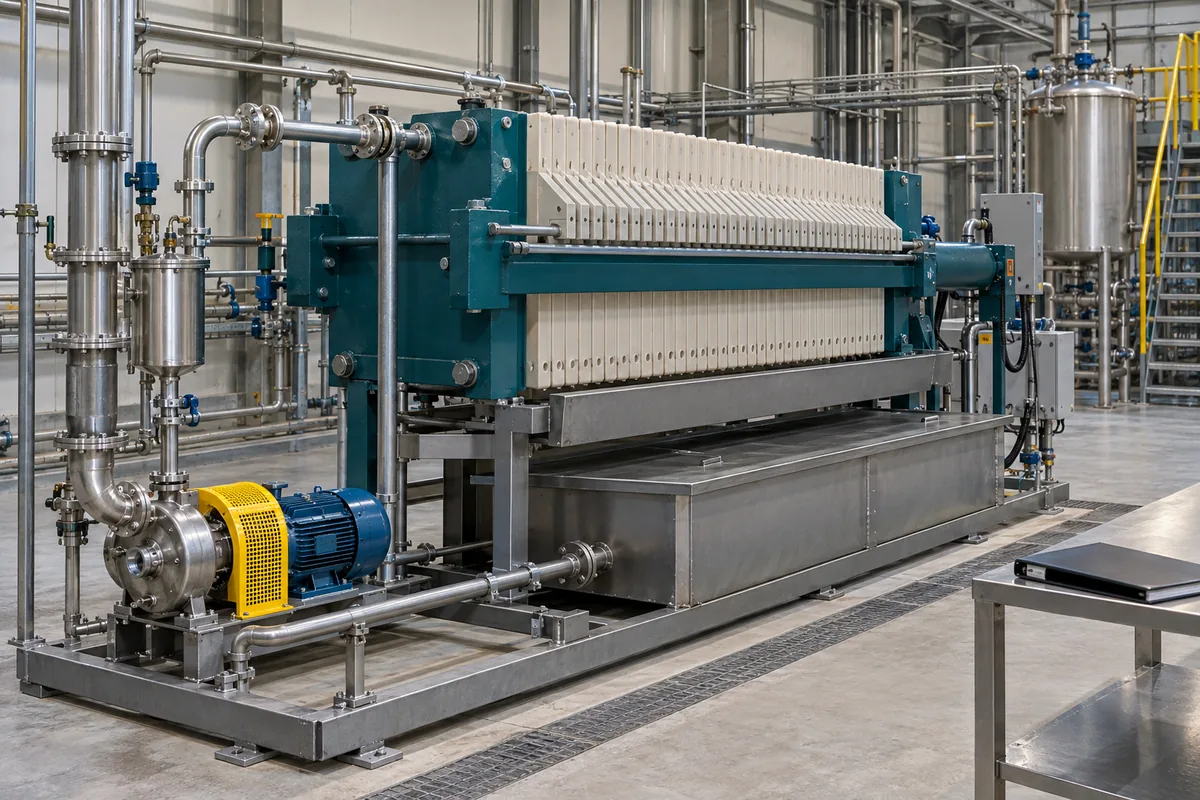
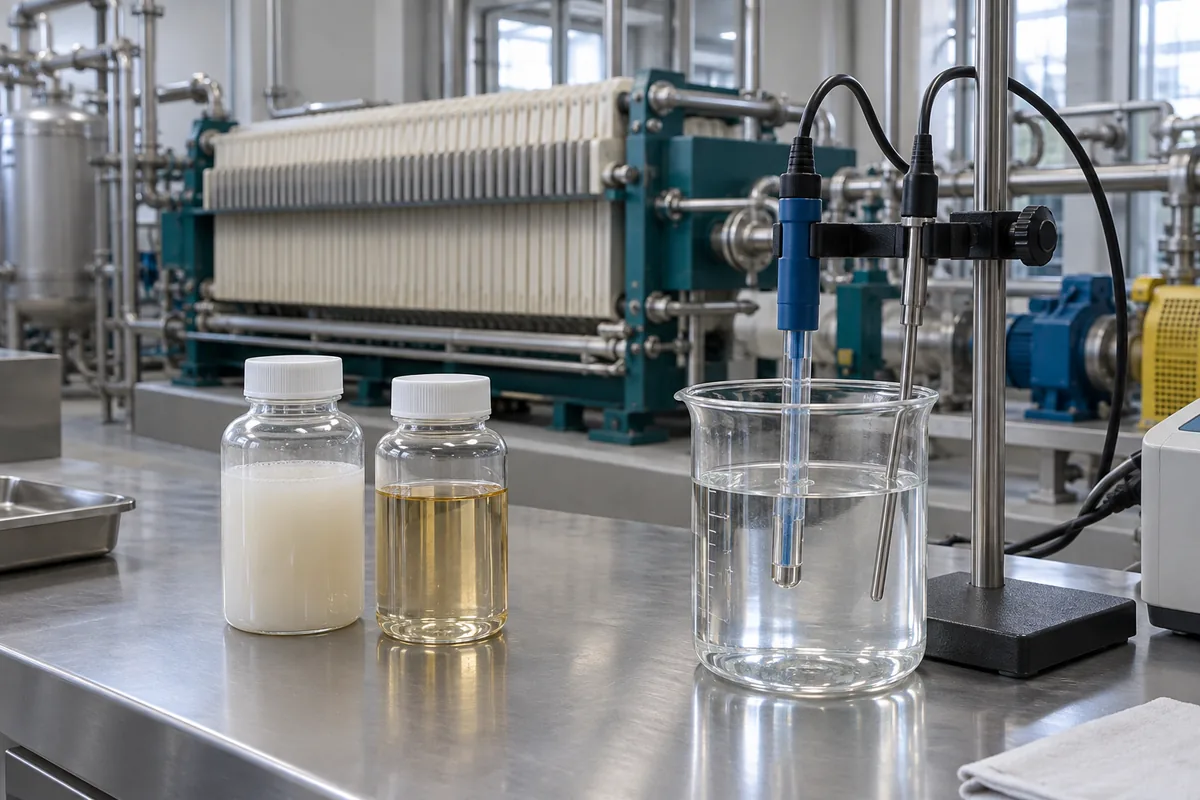
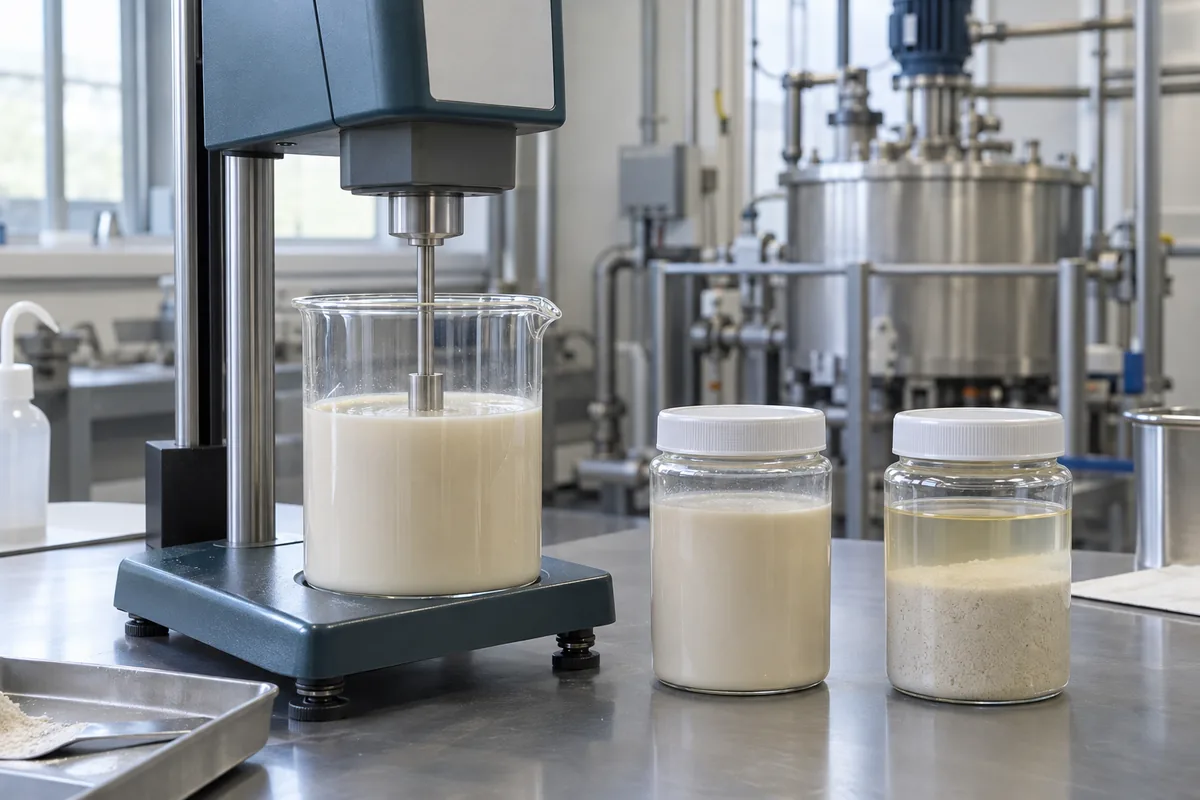
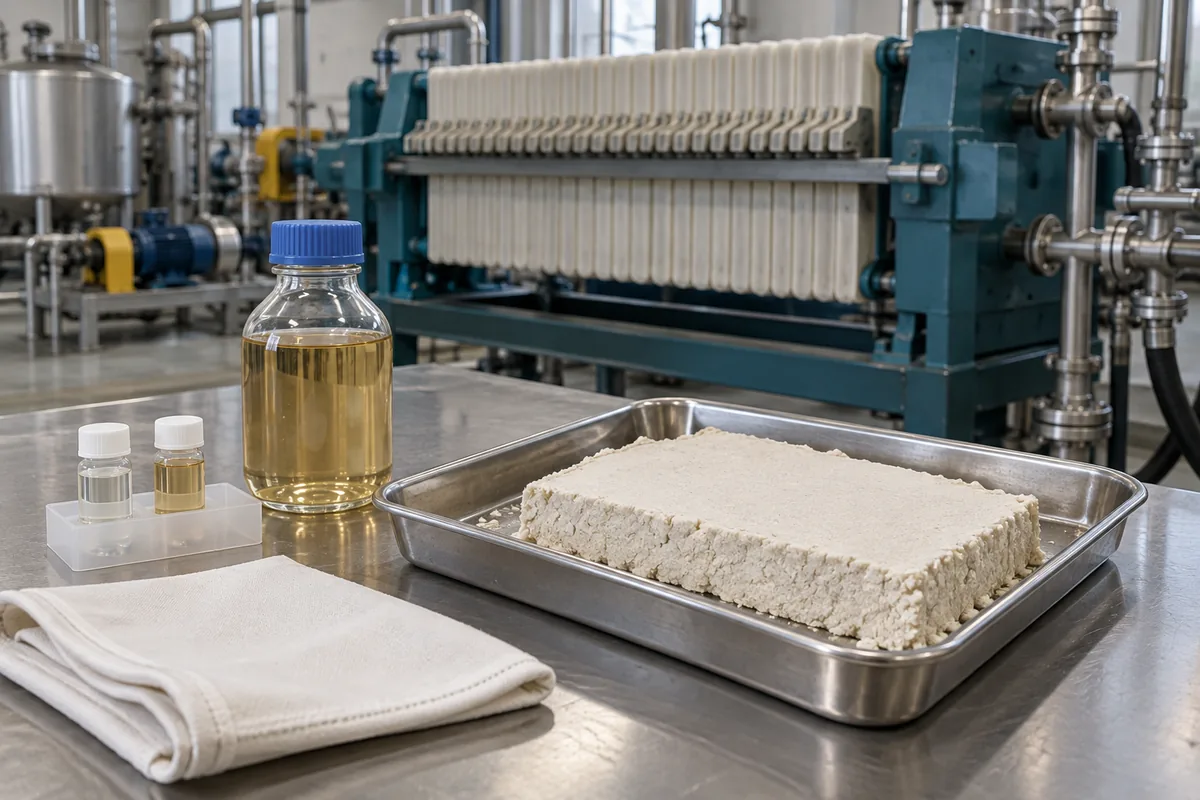
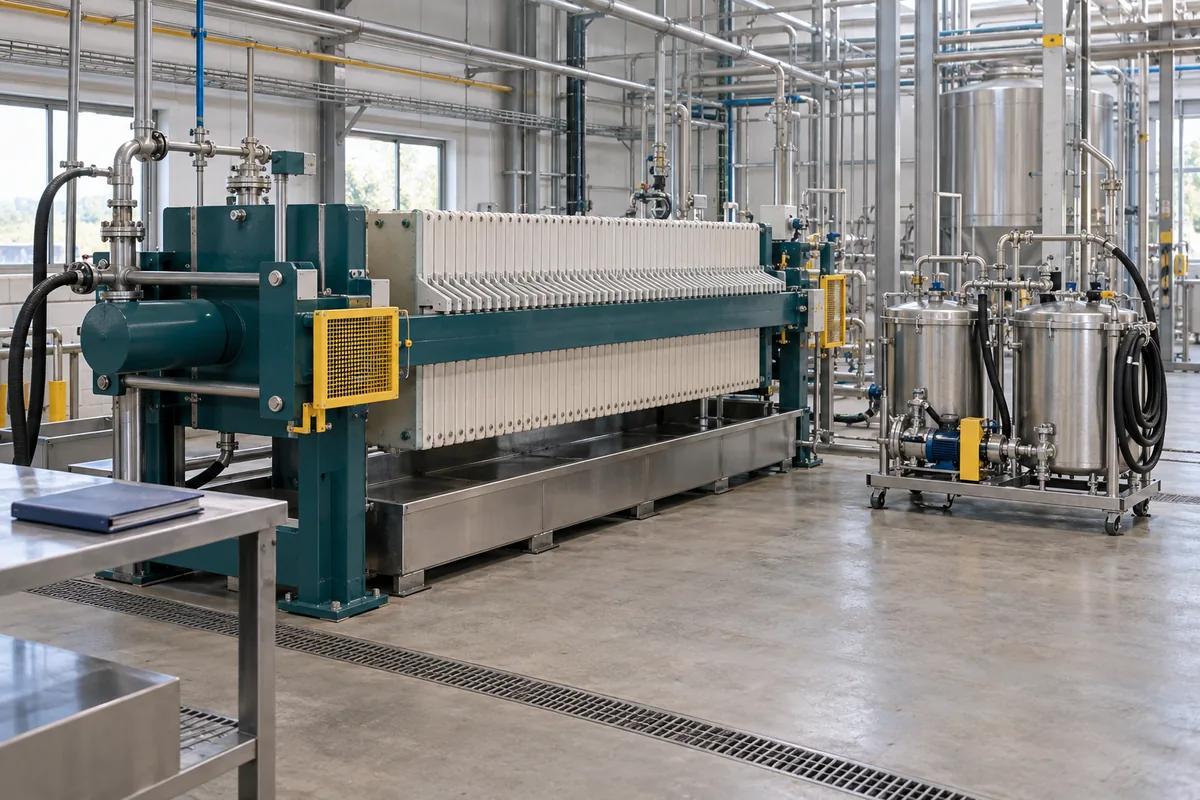
Recover process solids, clarify a liquid or wash retained material using a configuration matched to the actual chemistry. Begin with the valuable stream and the required quality, then review the complete wetted system.
For compatible chemical suspensions and reaction precipitates. Temperature, composition and cleaning conditions form part of the equipment specification.
Application context. Equipment selection depends on the actual duty.
A chemical filtration duty can be driven by cake purity, liquid recovery, removal of suspended impurities or reduction of retained mother liquor. These objectives affect filter media, washing, the operating sequence and how performance should be measured. A general label such as ‘chemical sludge’ is not enough to determine the configuration.
Reaction precipitates and process solids
Define whether the retained solids are a product, an intermediate or a waste stream. Particle formation and changes upstream can influence cake structure and filtration behavior.
Pigments, silica and fine suspensions
Fine or compressible particles can make media selection and cake release important. Compare representative feed conditions, filtrate quality and the complete cycle.
Cake washing and mother-liquor reduction
Specify the constituent or product-quality target that washing must achieve. Washing requirements belong in the equipment configuration, test method and liquid-handling plan.
Review the Separation Sequence and Contact Materials Together
01. Define the chemical duty
Provide composition, concentration, temperature and expected changes between production or cleaning conditions.
02. Select the wetted system
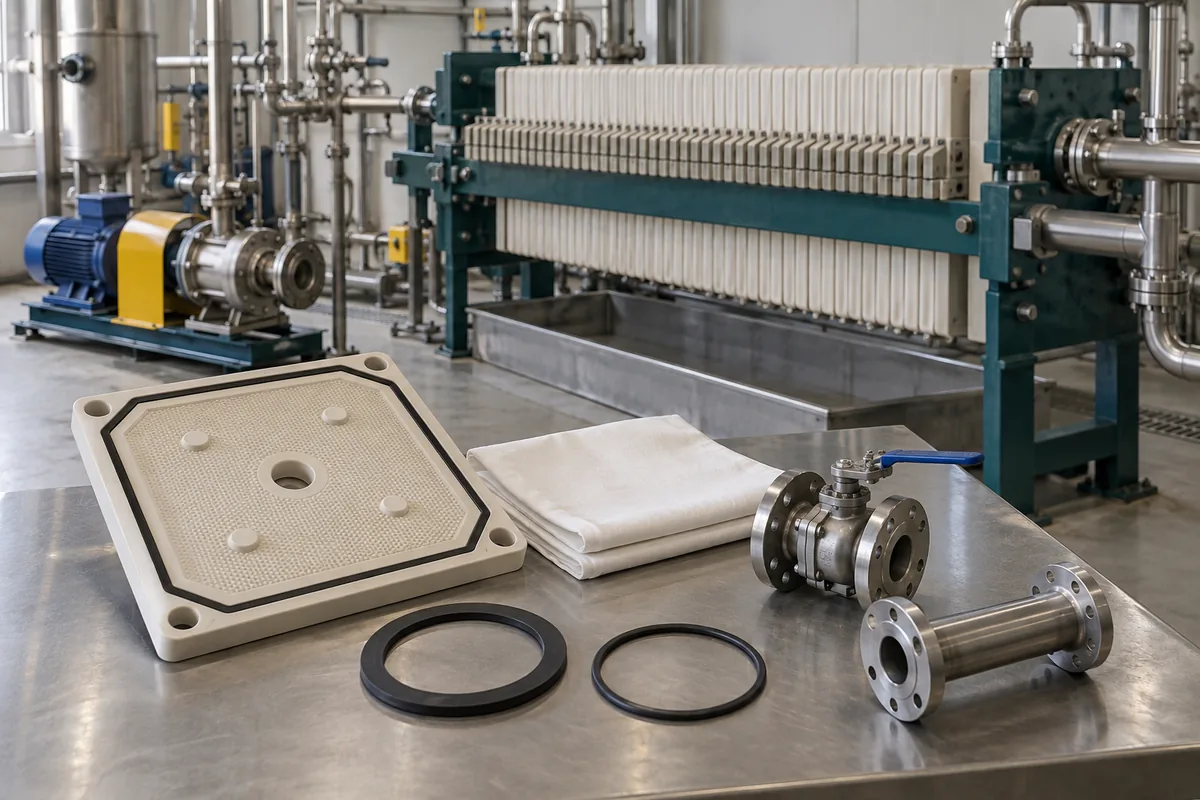
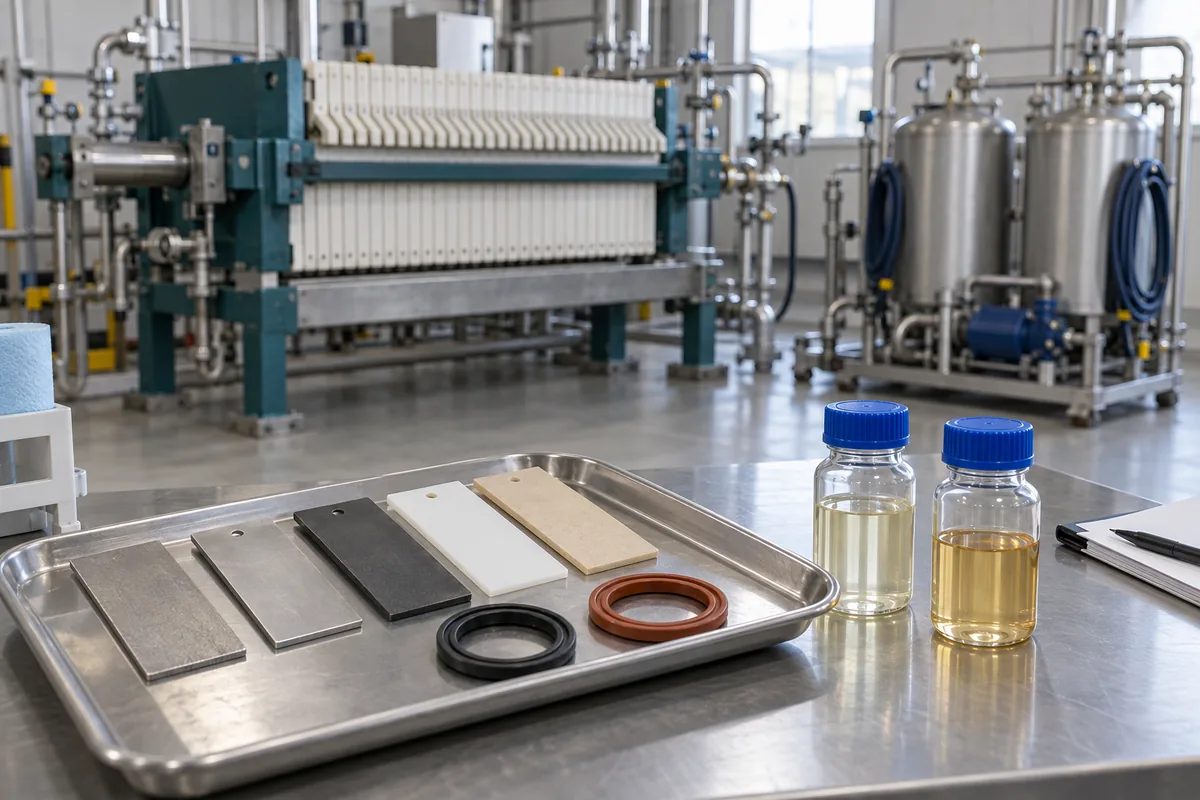
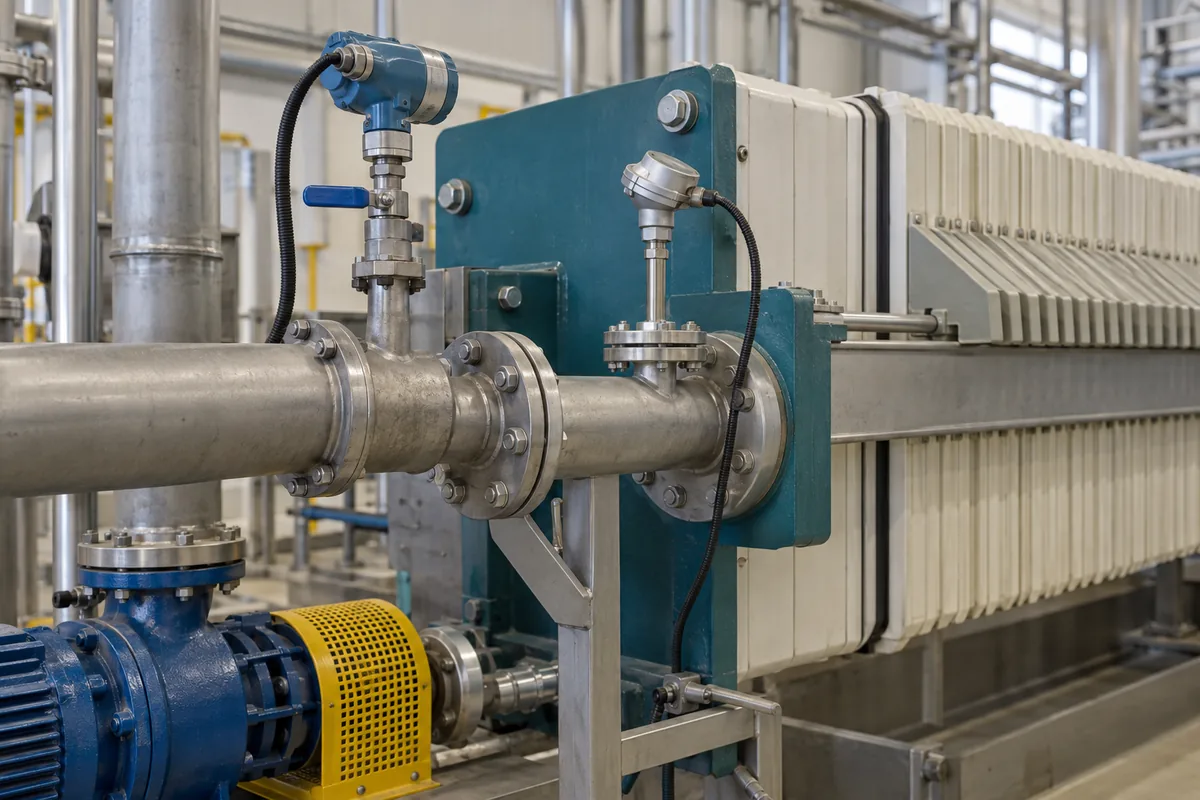
Review filter plates, media, seals, pump, valves and piping for the actual service, including the cleaning method.
03. Evaluate filtration and washing
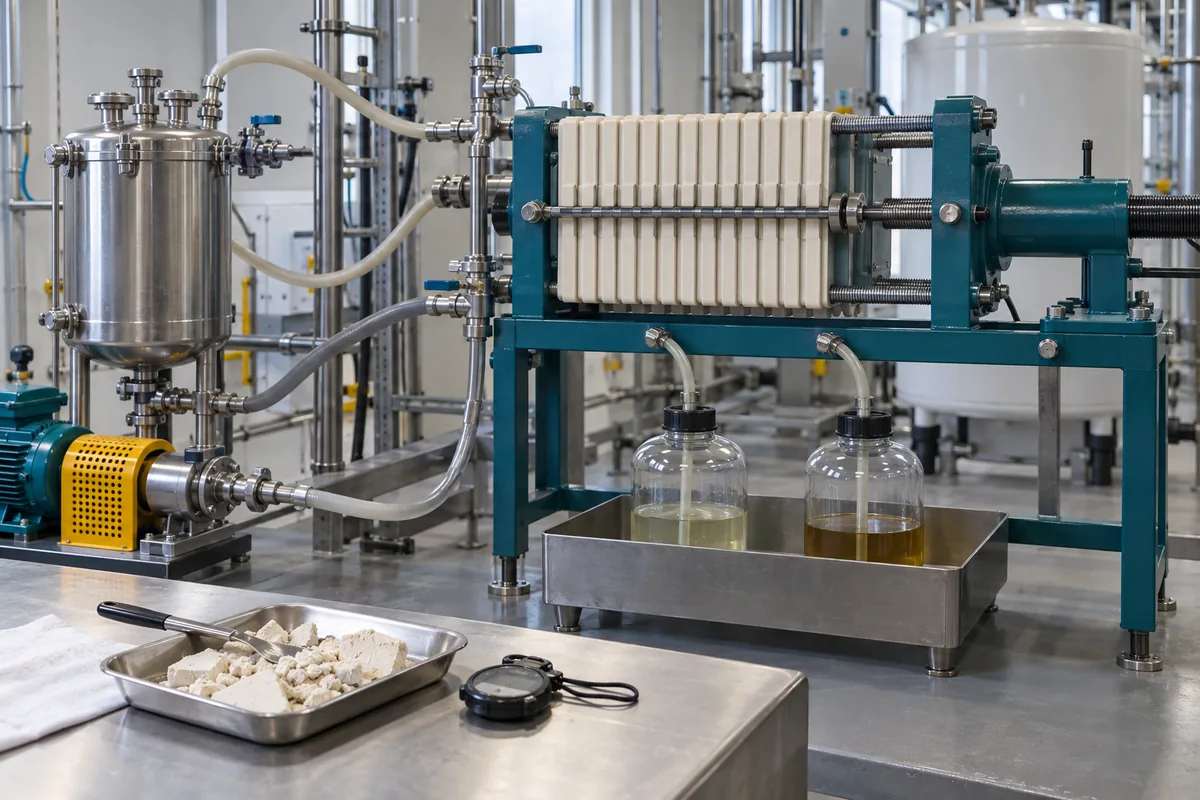
Test the relevant separation stages and record the required quality, recovery and cycle performance.
04. Handle the separated streams
Specify collection, transfer and further treatment for cake, filtrate and any wash liquid, based on the process requirements.
Configurations to Evaluate
Compare the equipment against the defined process requirement. Open the product pages for model details and available configuration options.
Membrane Filter Press
Consider an additional compression stage when cake condition or liquid recovery provides a useful process benefit.
Review: Membrane and media compatibility, allowable operating conditions and the proposed sequence.
A gasketed plate is not by itself a solvent-handling or hazardous-area qualification. If solvents or containment requirements are involved, define them before equipment is selected.
What Makes Chemical Duties Different
Compatibility across the whole cycle
A material suitable during filtration may not suit a different cleaning fluid or temperature. Include both production and cleaning conditions in the technical review.
Purity versus moisture
A drier cake does not necessarily meet a purity or residual-liquor target. State the actual analyte, washing outcome or product-quality requirement.
Pressure and temperature limits
Compare the documented ratings of the selected assembly. Filter plates, media, seals and auxiliaries can impose different limits.
Use Product and Process Criteria for Acceptance
Separation quality
The agreed filtrate clarity, suspended-solids result, cake purity or retained-liquor criterion.
Recovery and cycle
Product recovery and complete cycle under stated feed, washing and operating conditions.
Equipment scope
Contact materials, sealing, collection, cleaning access, required documents and the defined interfaces to the plant.
Information for an Application Review
Share the available process information below. Identify estimates and unknown values so the next measurement or test can be discussed.
Chemistry
Main components, concentrations, pH, solvent content where present and temperature range.
Feed behavior
Solids content, particle information, viscosity or other known behavior, and upstream variation.
Required result
Which stream is valuable; required purity or clarity; washing objective; throughput and units.
Plant and cleaning
Cleaning procedure, transfer and collection requirements, utilities, project location and required equipment documentation.
Is polypropylene or stainless steel always the better choice?
Neither is universally better. Compatibility depends on chemical composition, concentration, temperature, cleaning and the exact materials used throughout the assembly.
Does a gasketed CGR press guarantee zero leakage?
No general equipment label can establish that. Define the duty, compatible seals, operating limits, maintenance and the leakage-control or containment requirement.
Can membrane squeezing replace cake washing?
They address different objectives. Squeezing compresses the cake; washing is evaluated to reduce or exchange retained liquor or remove specified impurities. Some duties may use both.
What information is needed for a solvent-containing slurry?
State the solvent and its concentration, temperature, process conditions and the required handling, containment and applicable equipment requirements before discussing a configuration.
Describe the chemistry, temperature, throughput and whether the cake or filtrate is the valuable product. Include any washing, cleaning, solvent-handling or documentation requirements.
Our team can review the information and discuss a proposed configuration, scope of supply and the next technical steps.
Please include your application name and project location.