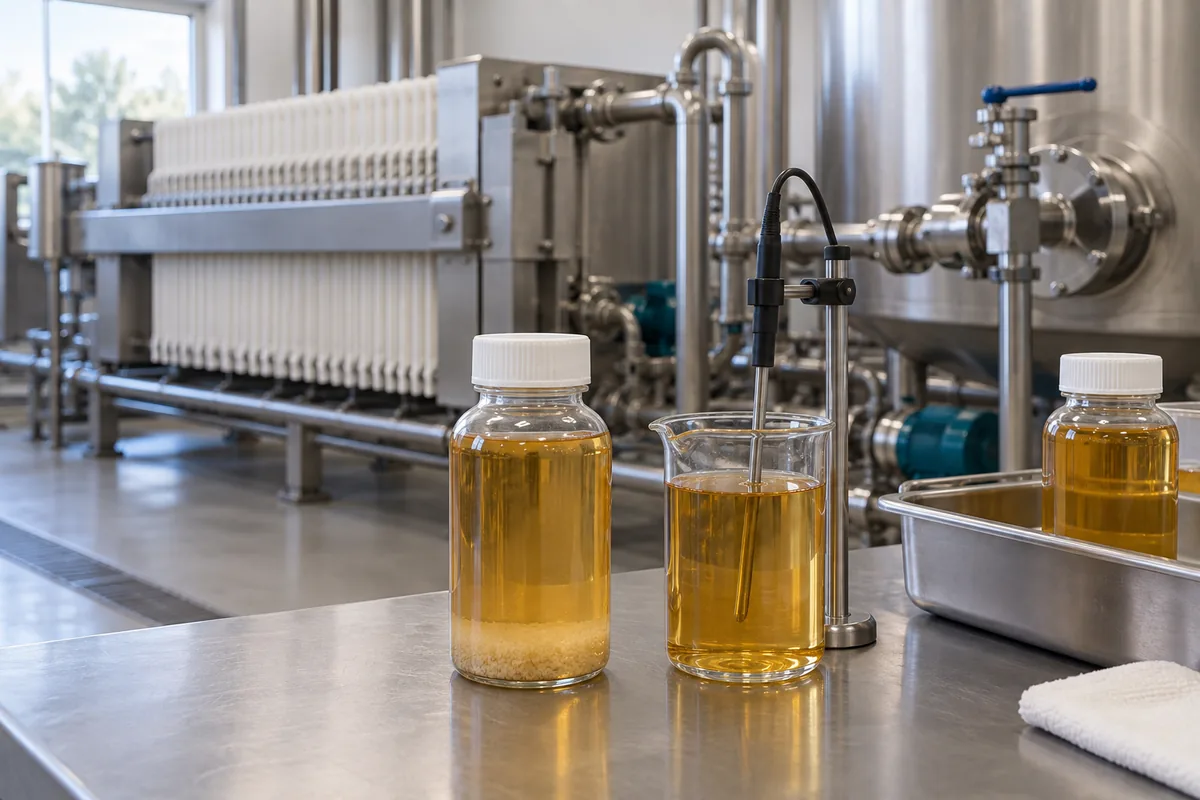
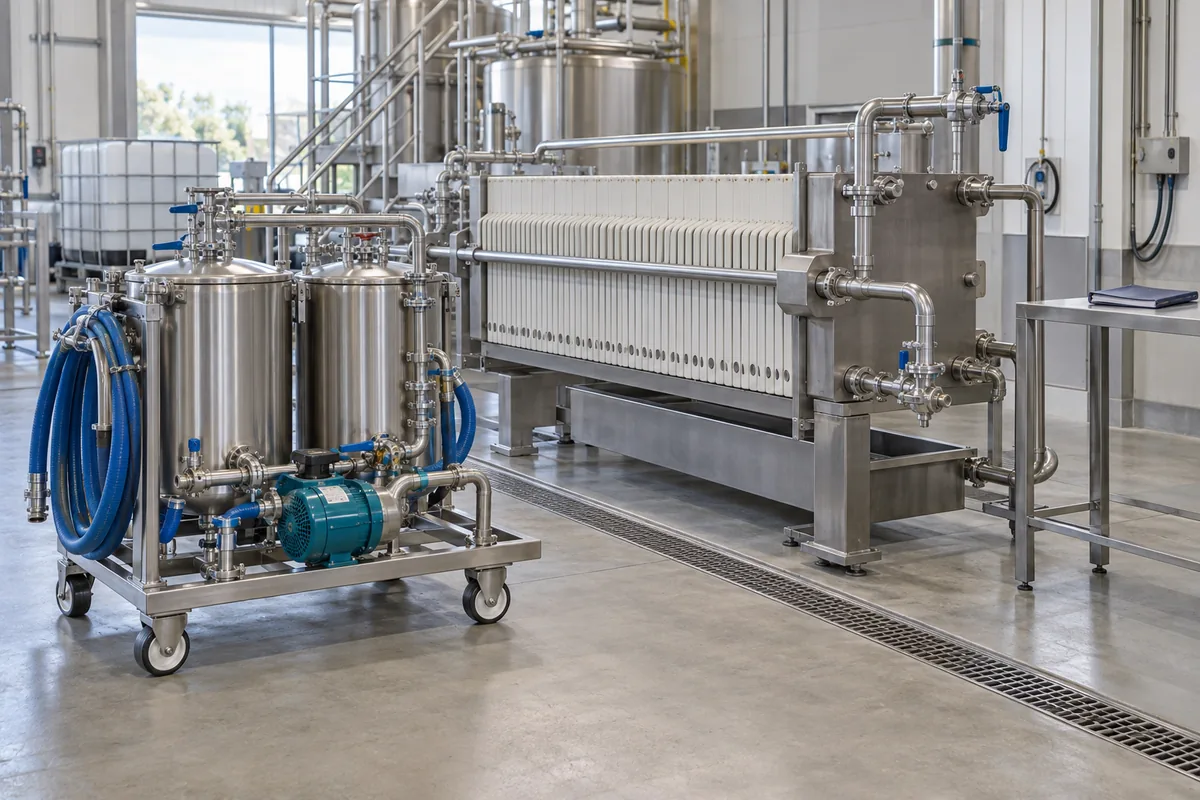
Clarify a process liquid or recover suspended ingredients in a duty suited to pressure filtration. Define the product-quality requirement alongside filter media, contact materials and the intended cleaning method.
For selected process liquids and ingredient suspensions. Equipment and material suitability must be reviewed for the specific product and production conditions.
Application context. Equipment selection depends on the actual duty.
Define the Product Requirement Before Choosing the Filter Medium
A food-process filtration step may need to remove suspended particles, recover a useful solid or separate a process liquid. The required result can differ from simply making a dry cake. Record product composition, temperature, allowable losses and the quality of the stream that moves to the next operation.
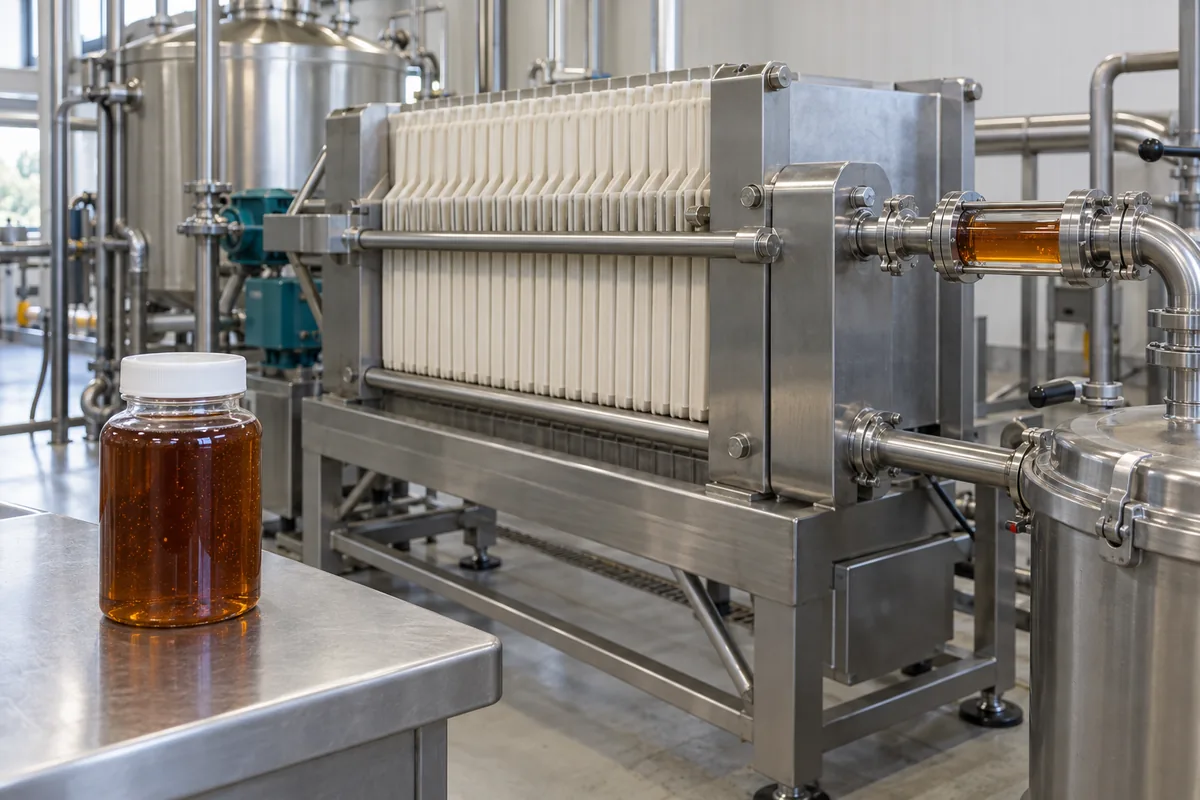
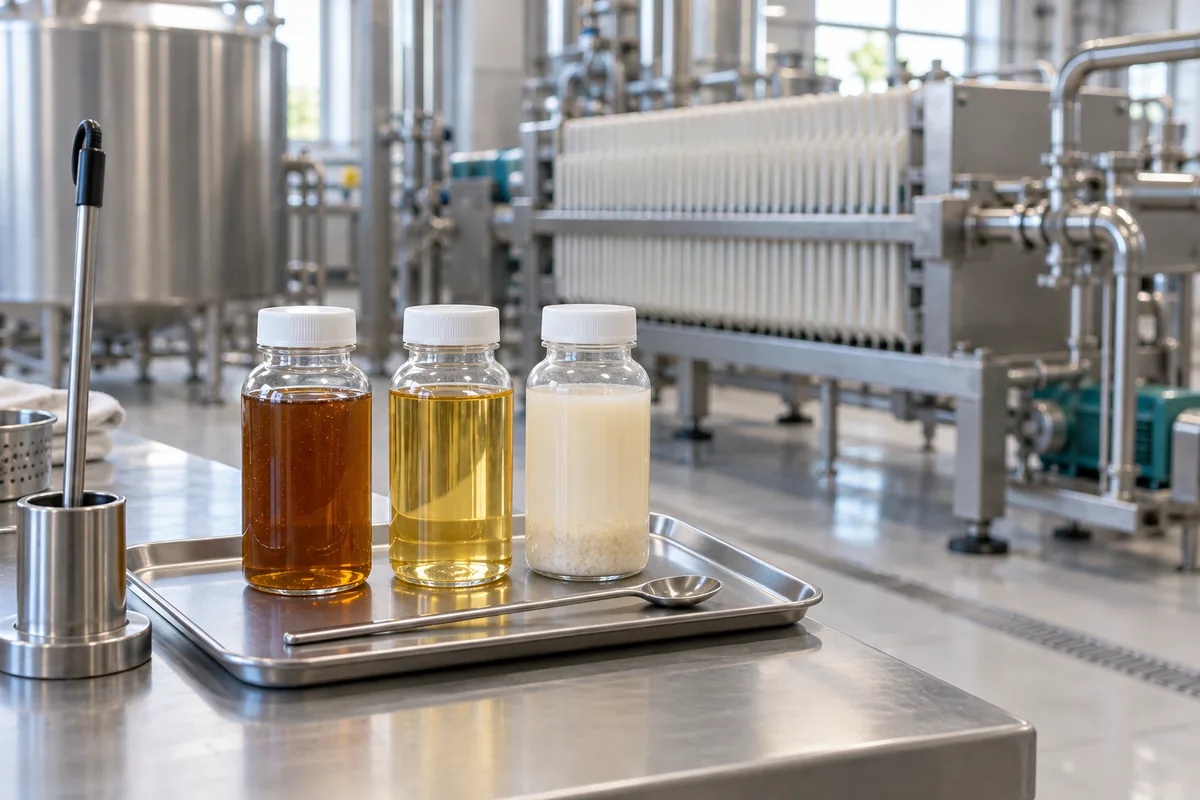
Syrups and compatible process liquids
Where pressure filtration is suitable, viscosity, temperature and suspended impurities affect the duty. Define the required clarity and how the filtrate will be used downstream.
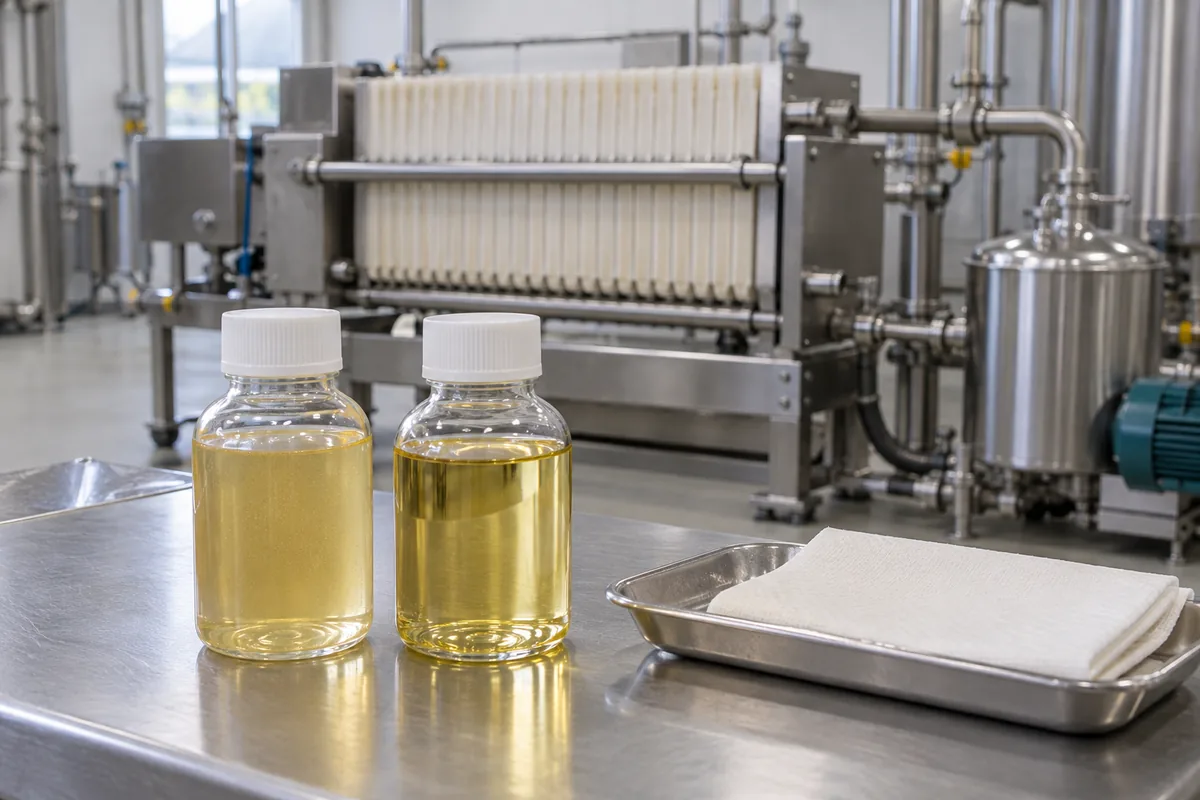
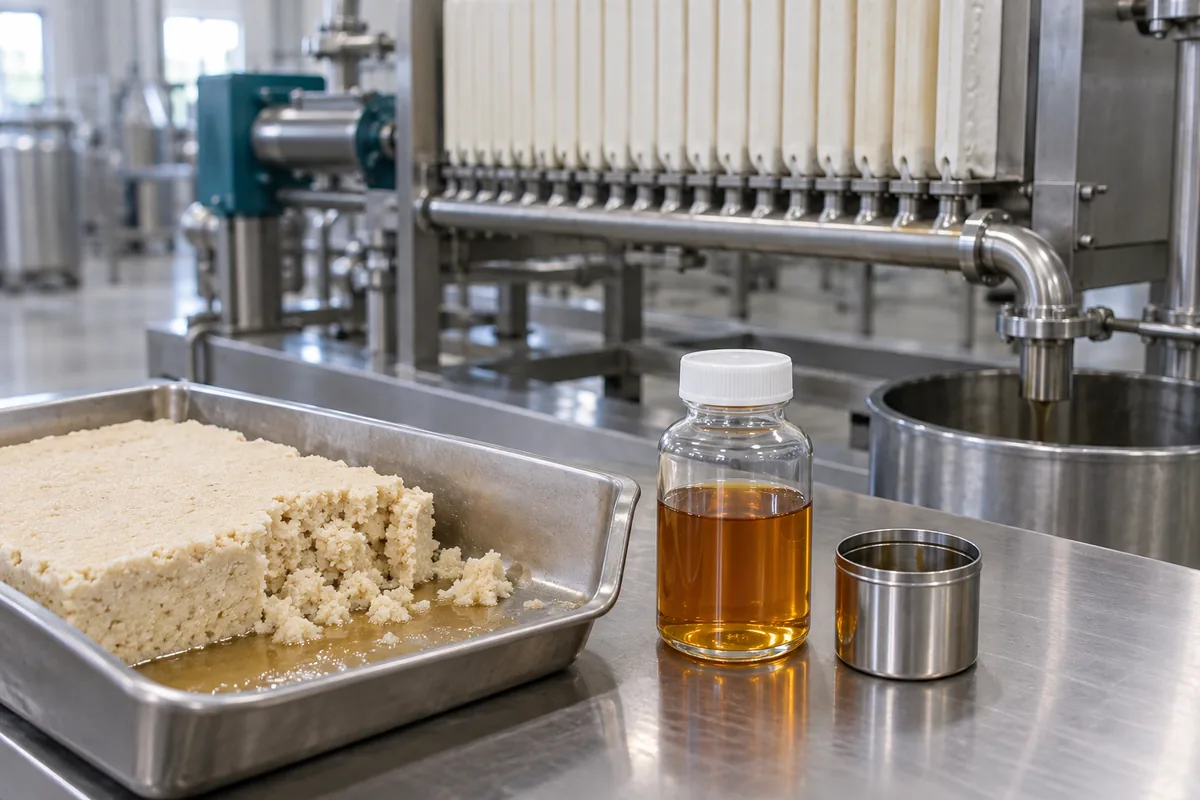
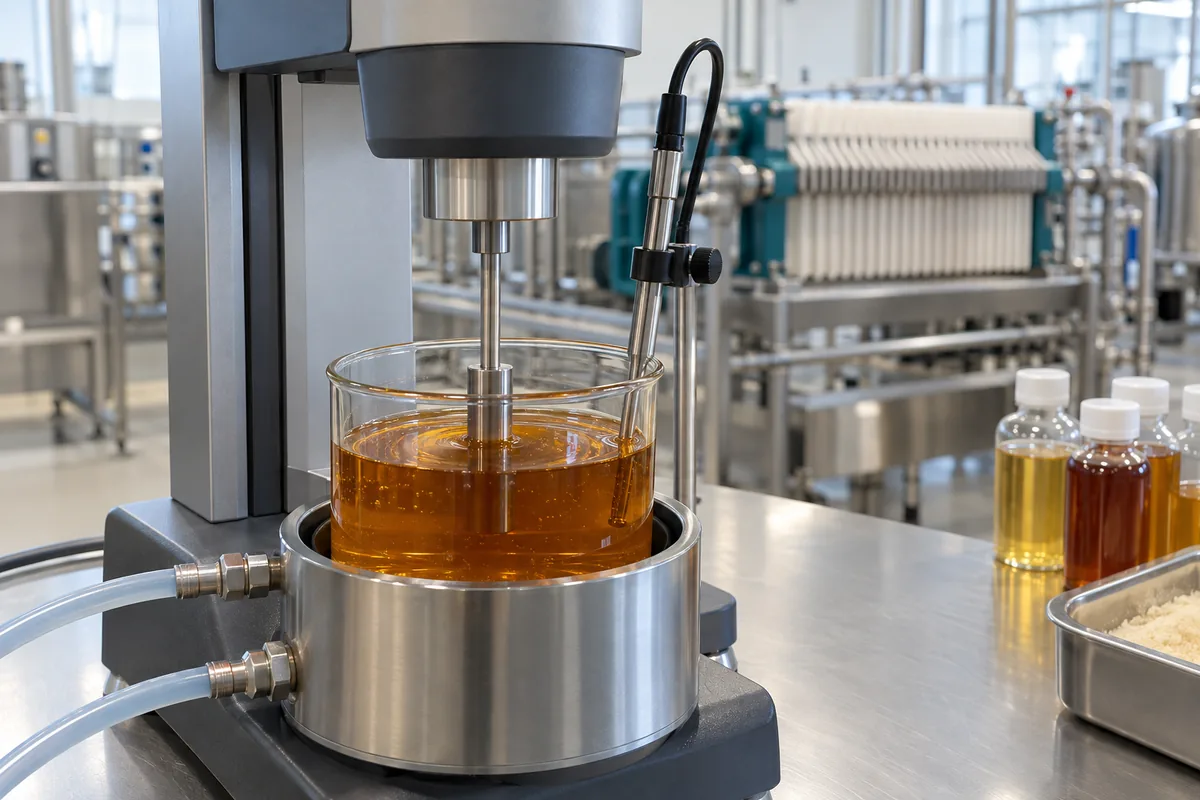
Edible-oil clarification duties
Discuss the specific oil, processing stage, temperature and suspended solids. Media selection and contact materials should be evaluated for that defined process.
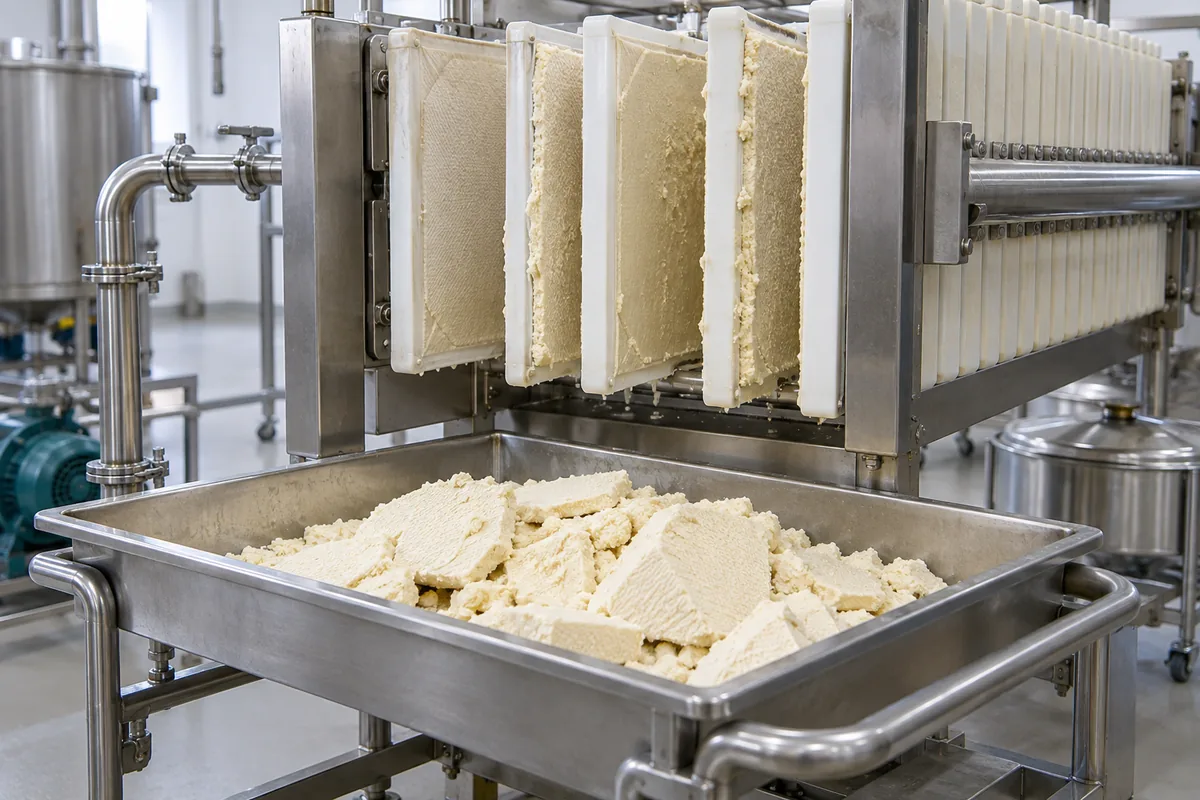
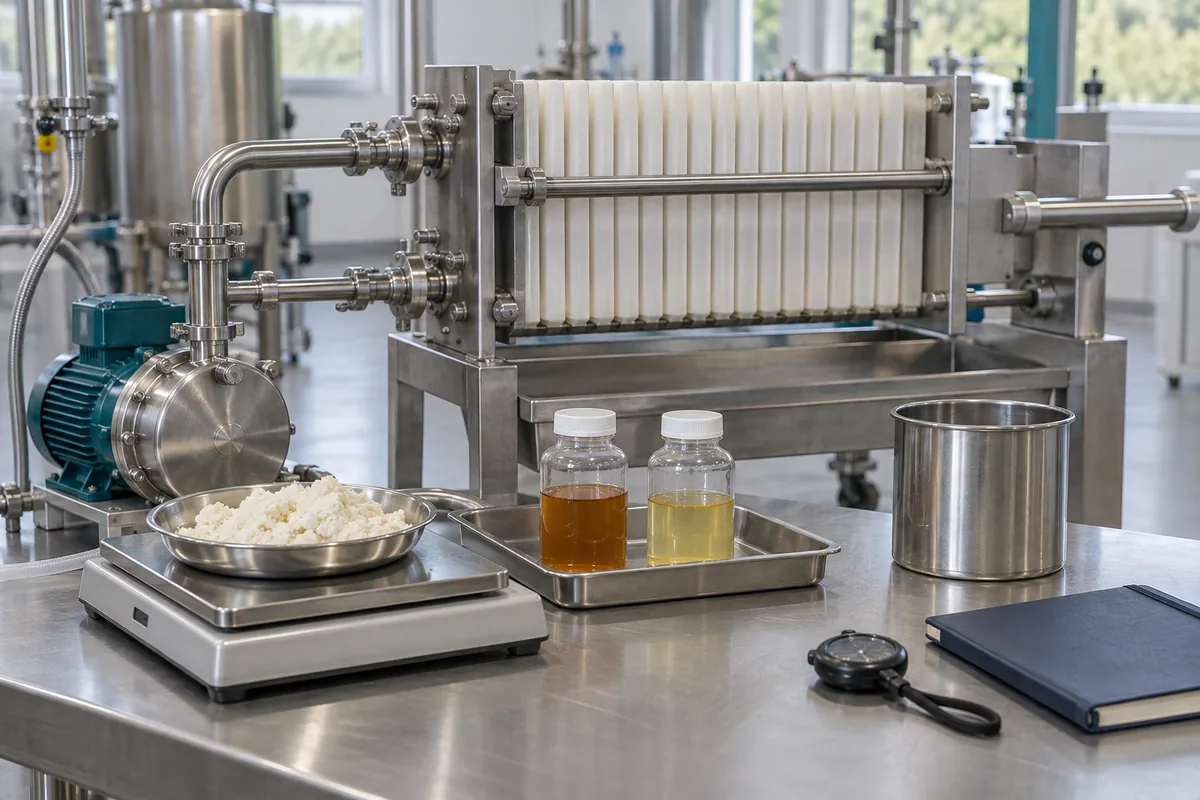
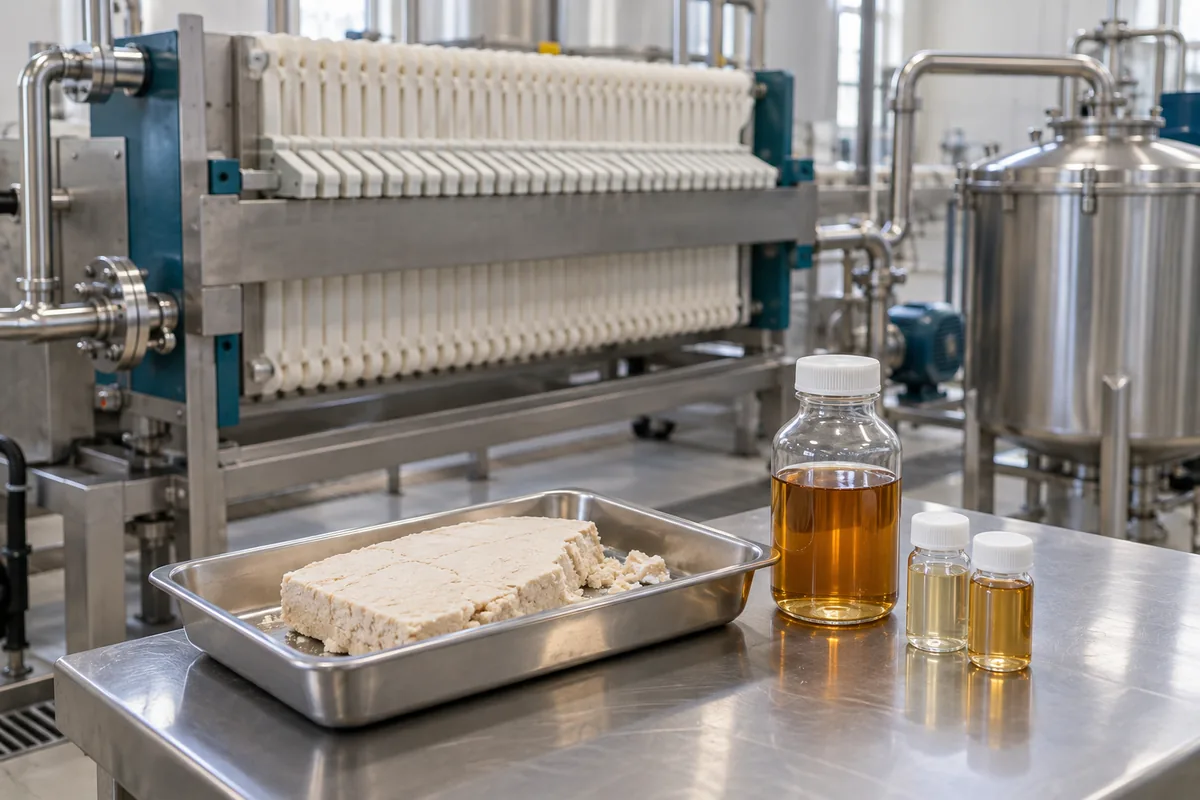
Ingredient and process-solid recovery
Identify the valuable material and acceptable product loss. The cake may require a different handling or quality specification from a waste-dewatering application.
Connect Filtration to Product Handling and Cleaning
01. Define feed and product quality
State the product, expected solids, temperature and required separation result.
02. Review media and construction
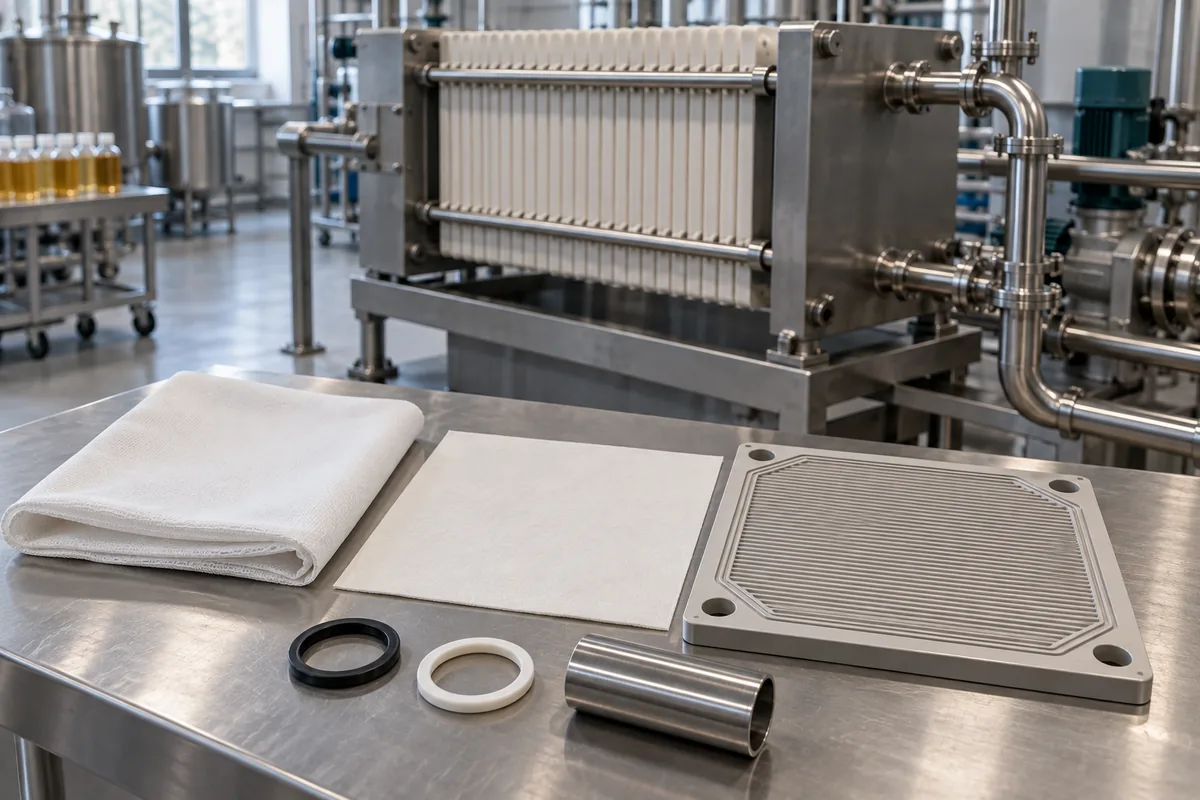
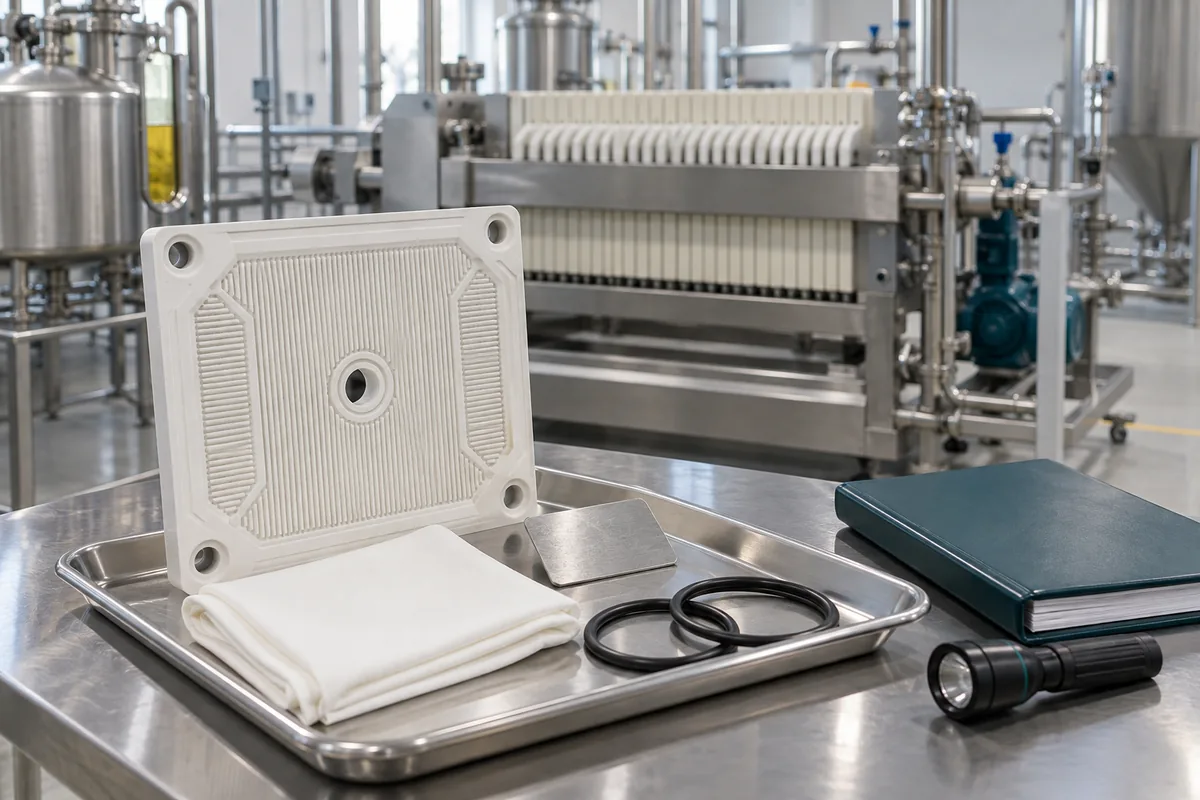
Compare appropriate cloth, paper or other media supported by the equipment, along with the actual contact materials and seals.
03. Check recovery and operating cycle
Include filling, filtration, discharge and any necessary changeover or cleaning in the production review.
04. Verify cleaning and downstream use
Review access, the proposed cleaning method and the requirements of the following process. Define what documentation is needed for acceptance.
Configurations to Evaluate
Compare the equipment against the defined process requirement. Open the product pages for model details and available configuration options.
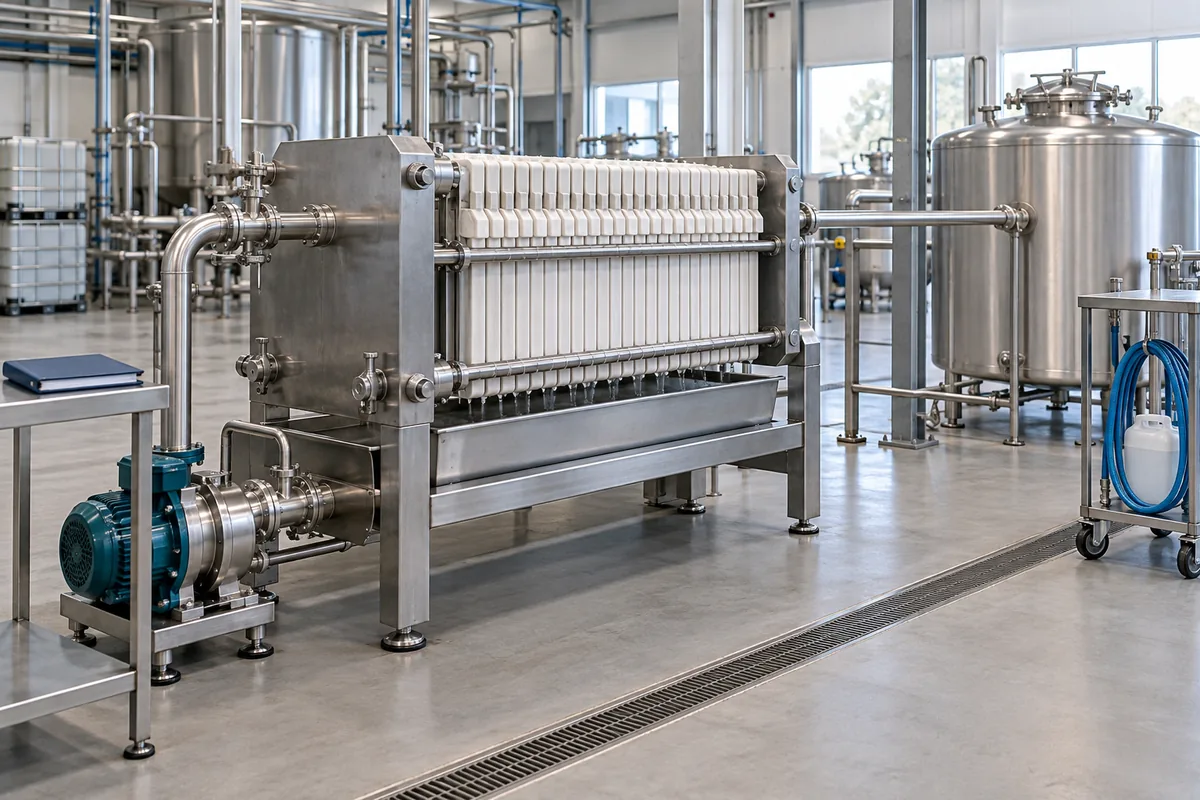
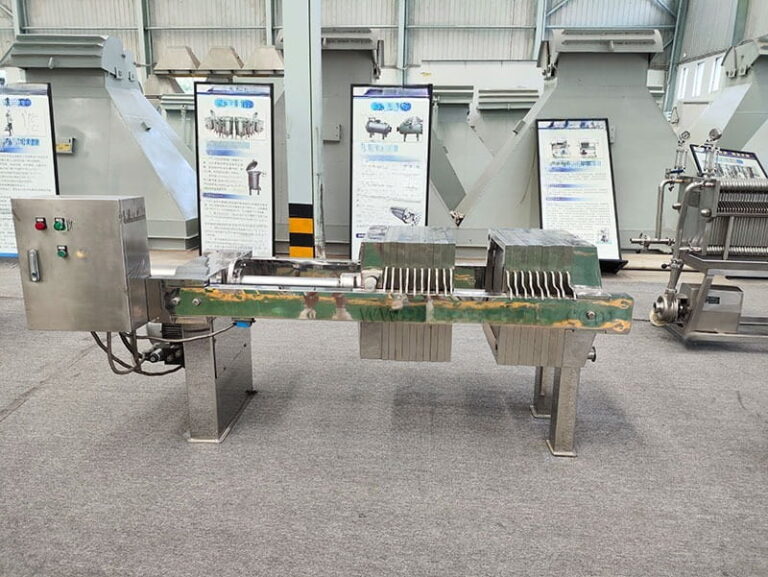
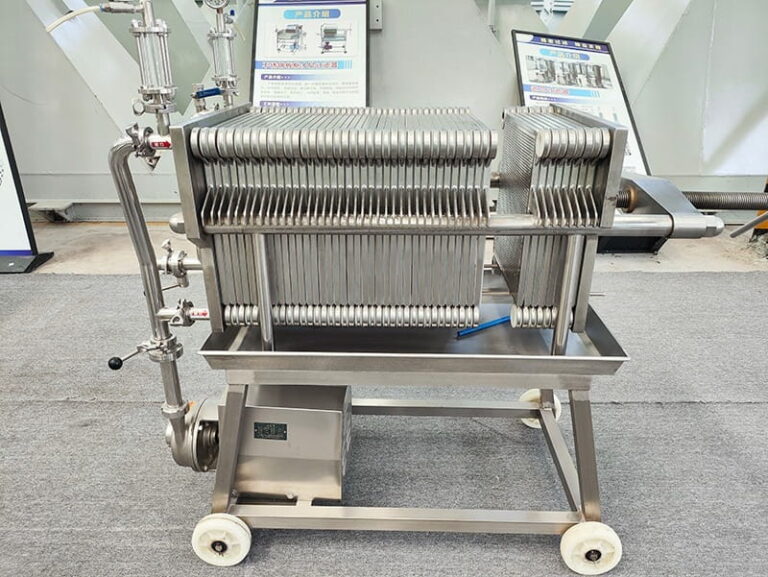
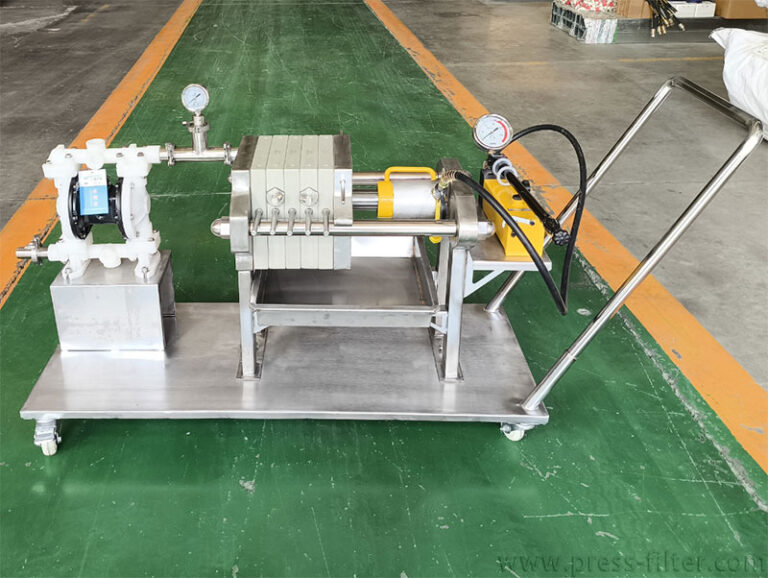
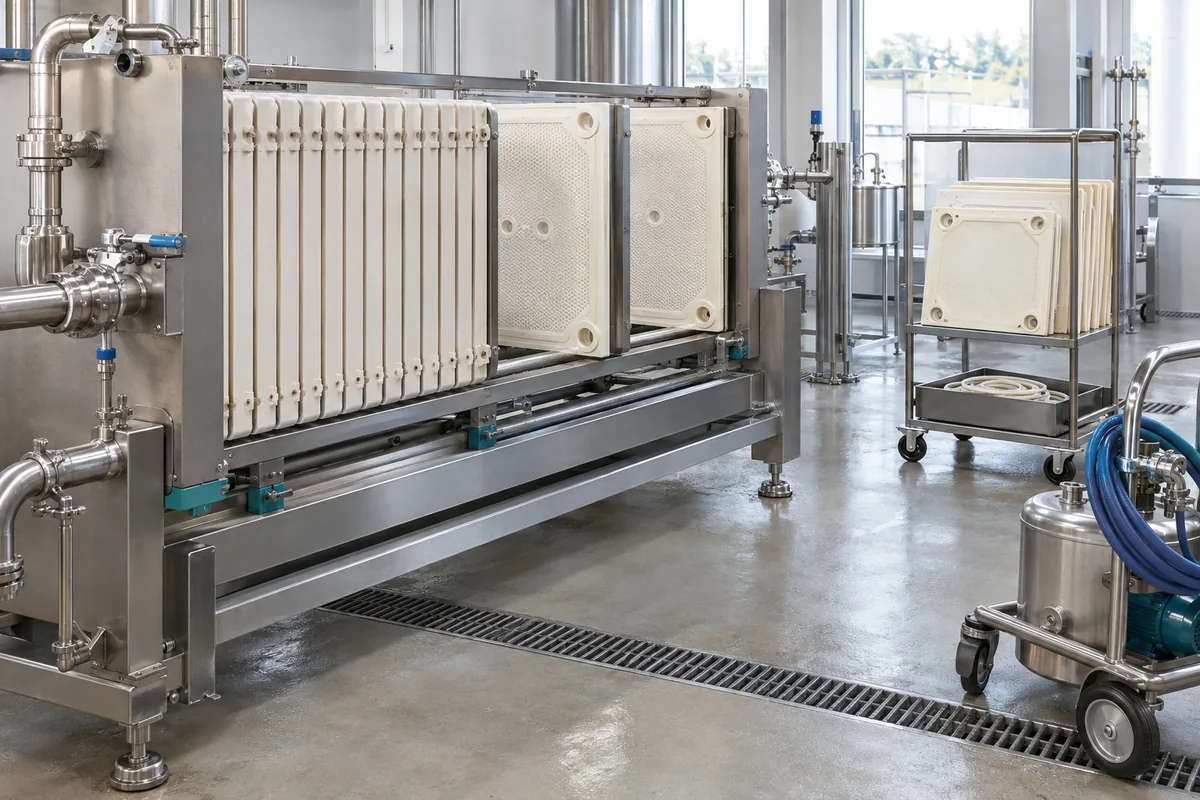
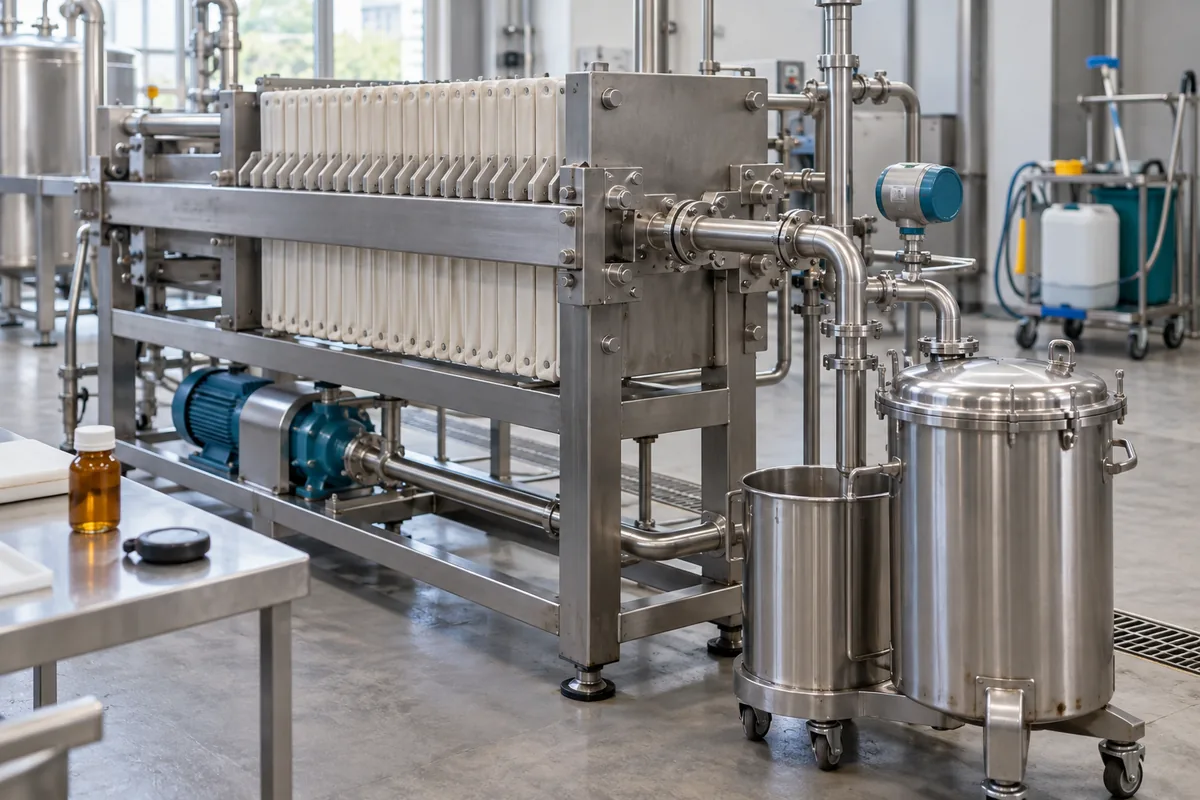
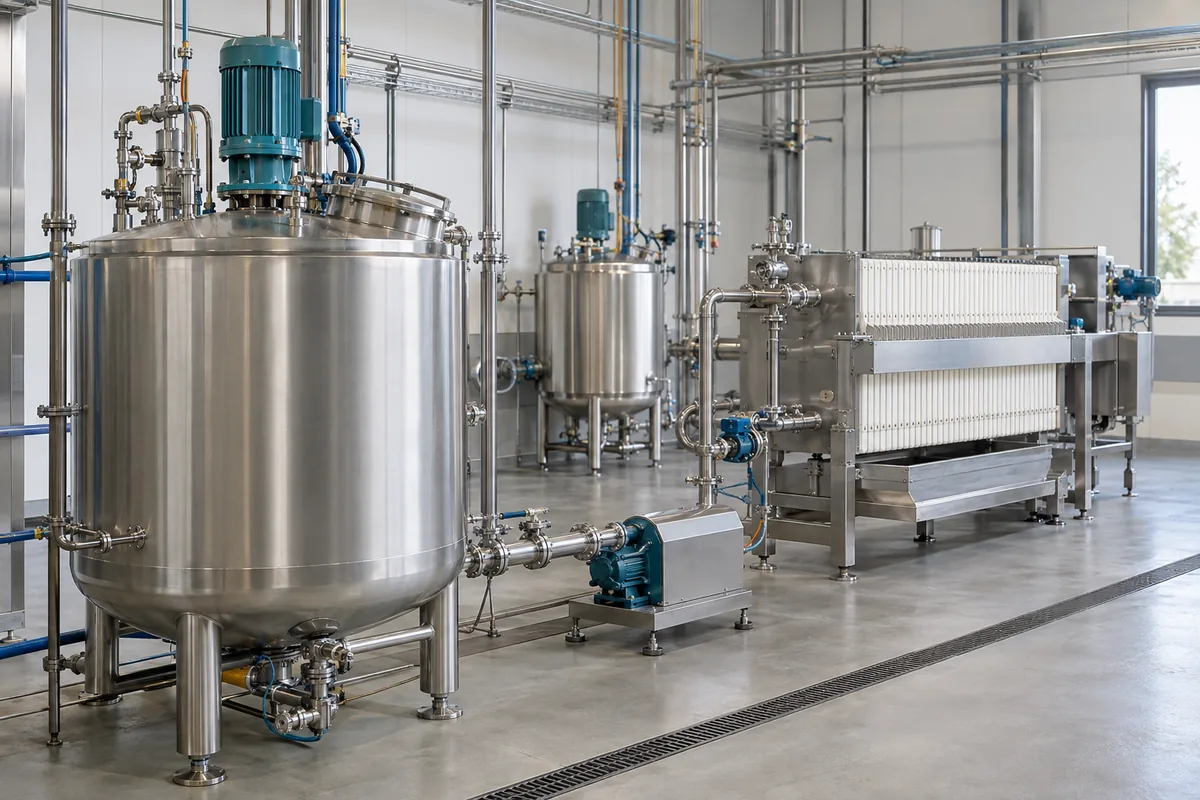
Stainless Steel Plate & Frame Filter Press
Evaluate where the supported filter media, chamber arrangement or access for cleaning suits the process.
Review: Media specification, contact surfaces, seals, chamber depth and the intended cleaning method.
Stainless steel construction alone does not establish food-contact suitability, a particular hygiene standard or clean-in-place capability. Confirm the actual materials, design and documents for the application.
Questions Beyond Filtrate Clarity
Product loss and retained liquid
Identify where useful product remains after filtration and how it is recovered or handled. Compare the full process result, not only a visual clarity check.
Temperature and viscosity
Record the range actually expected at the filter. A test at a different temperature or product concentration may not represent production behavior.
Cleaning and changeover
Define cleaning fluids, temperatures, inspection access and product-change requirements. Do not assume that a standard frame or clad exterior answers these questions.
Agree Product, Operating and Cleaning Criteria
Separation
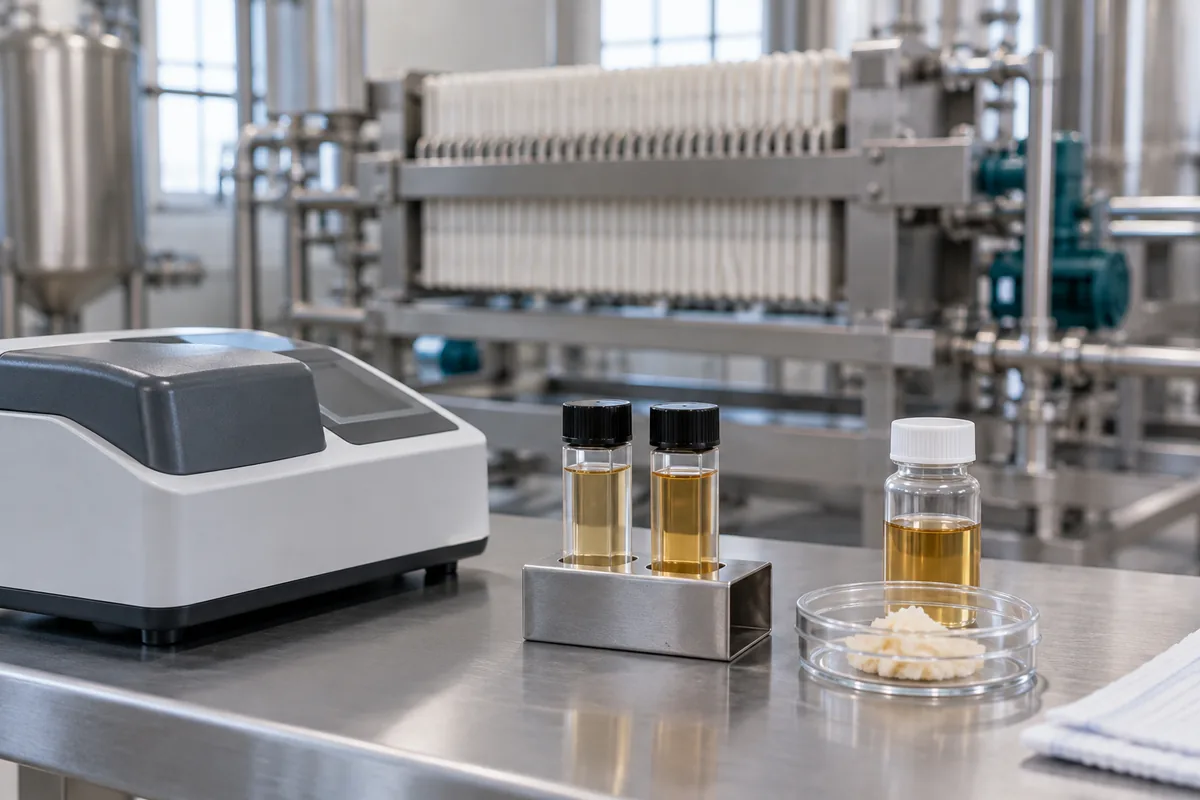
The specified suspended-solids or clarity result, useful product recovery and any cake requirement.
Production
Throughput and cycle at the stated product conditions, including relevant cleaning or changeover time.
Materials and cleaning
The contact-material specification, media and seals, cleaning approach and agreed supporting documents.
Information for an Application Review
Share the available process information below. Identify estimates and unknown values so the next measurement or test can be discussed.
Product
Product name and composition, suspended solids, temperature and known viscosity behavior.
Separation target
Valuable stream, required clarity or solids result, acceptable product loss and downstream use.
Production
Flow or batch volume with units, operating hours, changeover frequency and available utilities.
Materials and cleaning
Cleaning method, relevant material documentation, finish or contact requirements and project location.
Does stainless steel mean the machine is food-grade?
The description is incomplete without the grades, contact surfaces, media, seals, design and required documentation. Review the whole equipment specification for the actual application.
Can the press use filter paper instead of cloth?
Some plate-and-frame designs support different media, but compatibility depends on the specific equipment. Confirm the permitted media, support arrangement and operating conditions.
Can I use a small test to choose production equipment?
A representative test can help assess the material and medium. Production sizing still needs the full cycle, handling, cleaning and appropriate scale-up checks.
Is the press a sterilization step?
Ordinary pressure filtration for suspended-solids separation should not be assumed to provide sterilization. Any such requirement needs a specifically defined and validated process.
Include the food or beverage process, product temperature, throughput and units, required clarity or recovery, and cleaning or contact-material requirements.
Our team can review the information and discuss a proposed configuration, scope of supply and the next technical steps.
Please include your application name and project location.