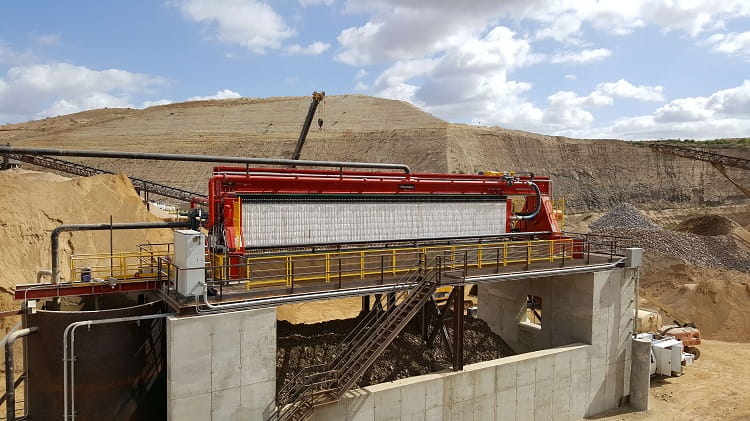
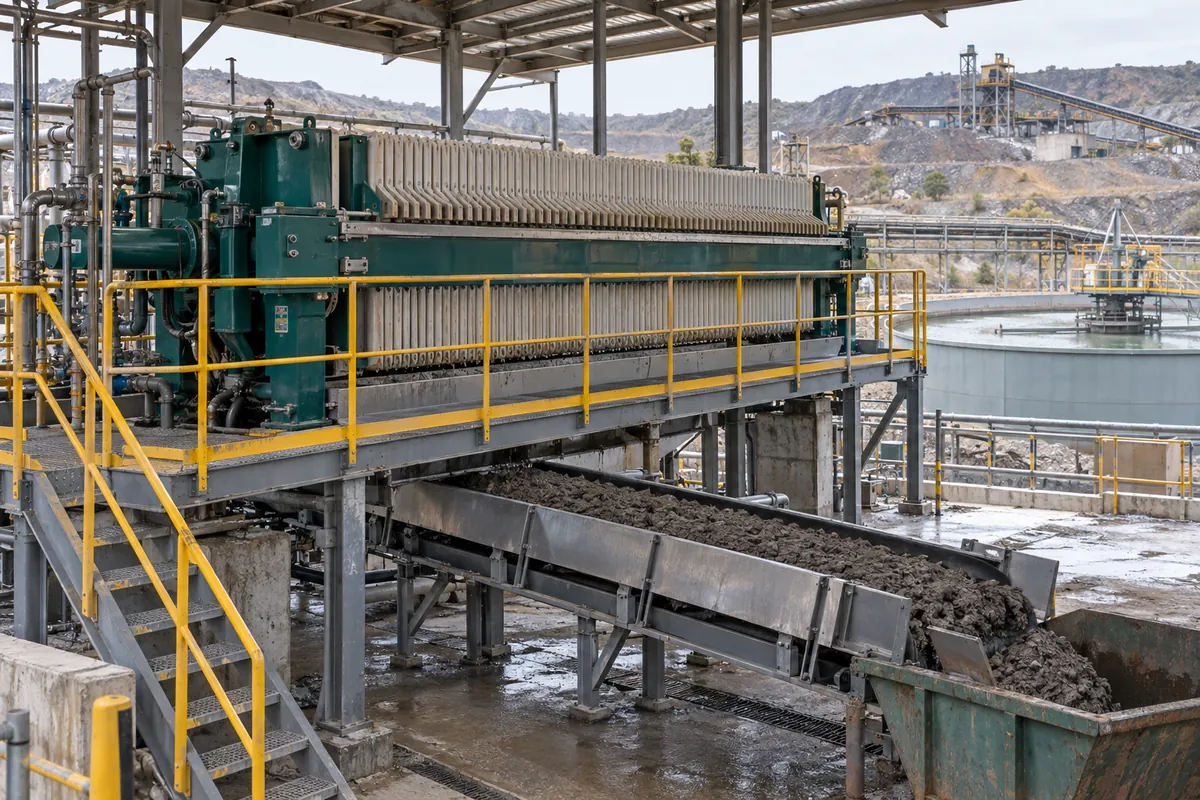
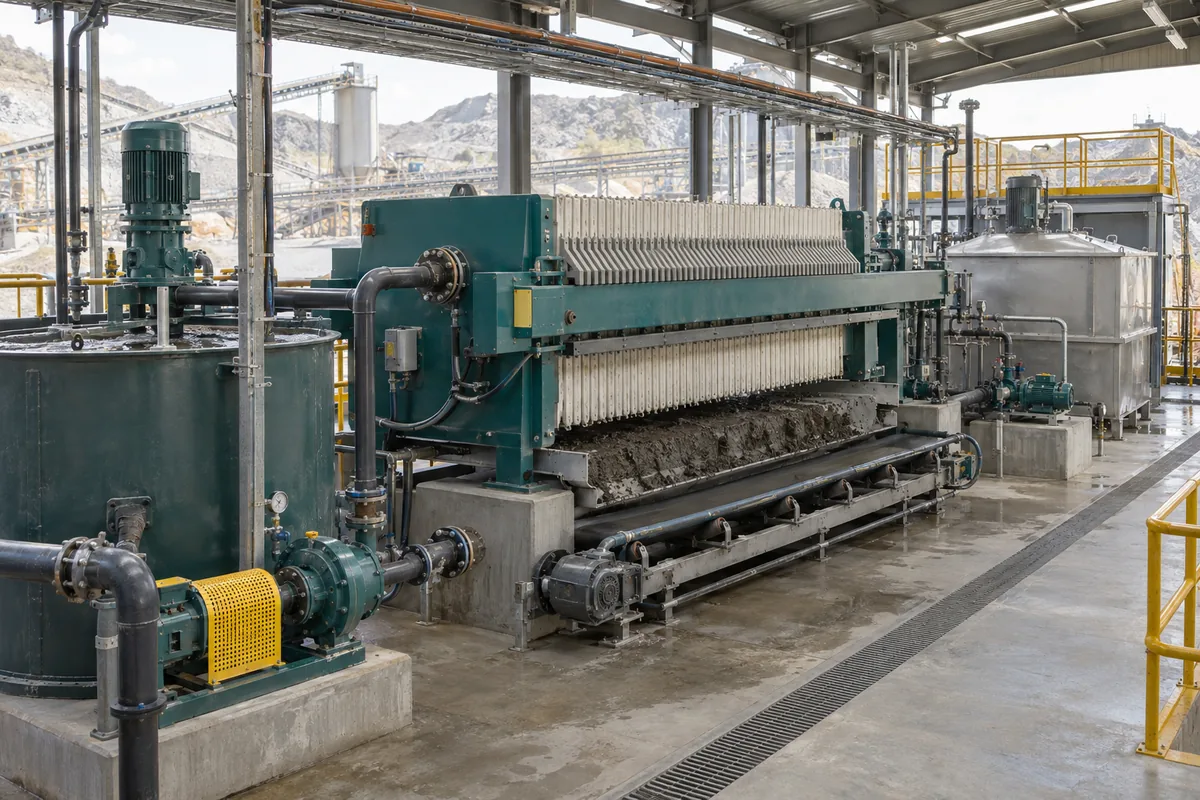
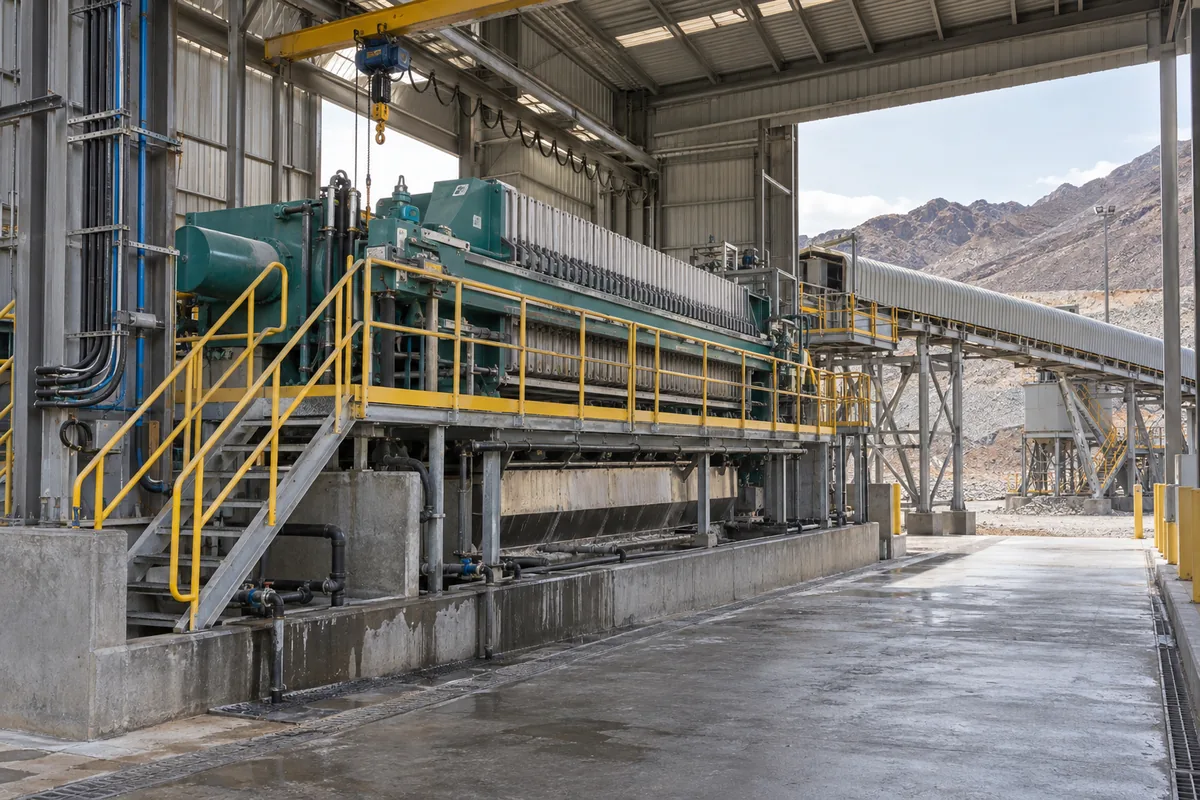
Filter Press for Mining, Minerals & Metallurgical Slurries
Define whether the duty is tailings management, concentrate recovery or a process-solids separation. Equipment selection should reflect the value of each stream, the solids load and the required production schedule.
Separate Tailings Requirements from Product-Recovery Requirements
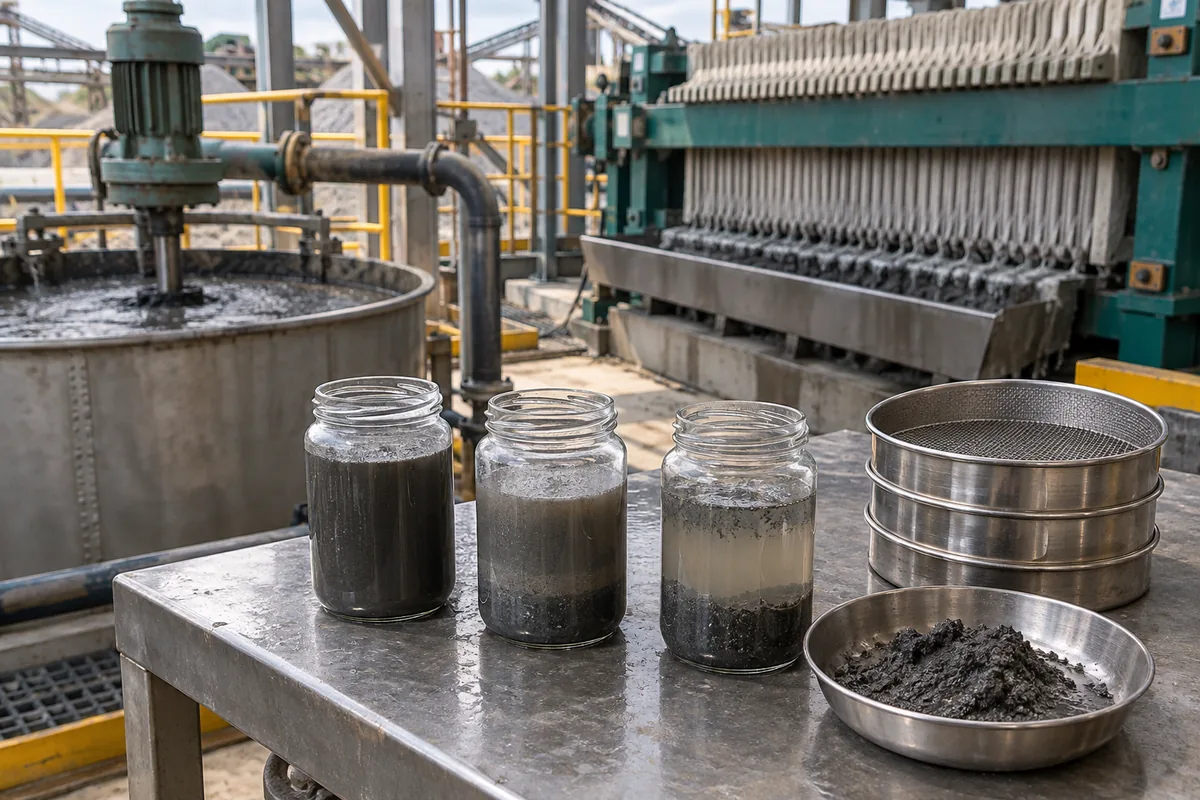
A tailings application may prioritize water recovery and solids handling, while a concentrate duty may prioritize valuable-product recovery, transport condition or retained liquor. Metallurgical residues can introduce a different chemical or washing requirement. Start with the process objective before comparing press dimensions.
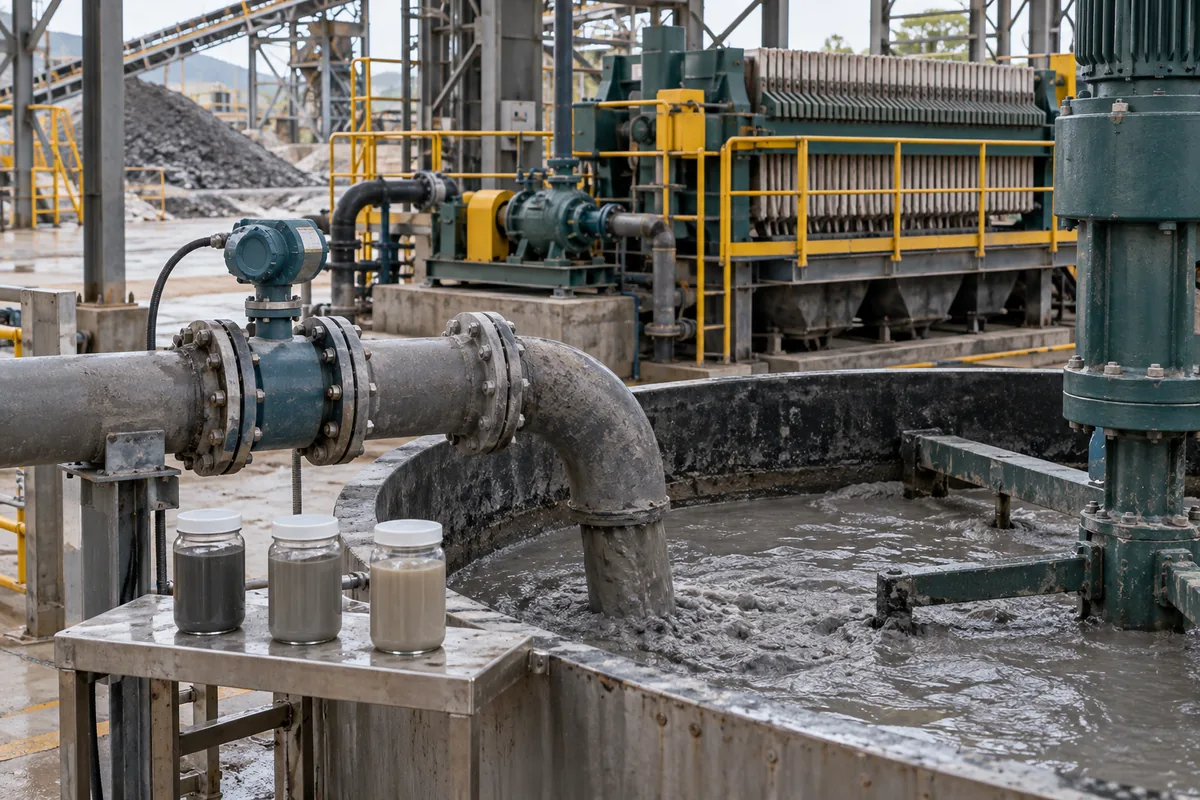
Tailings dewatering
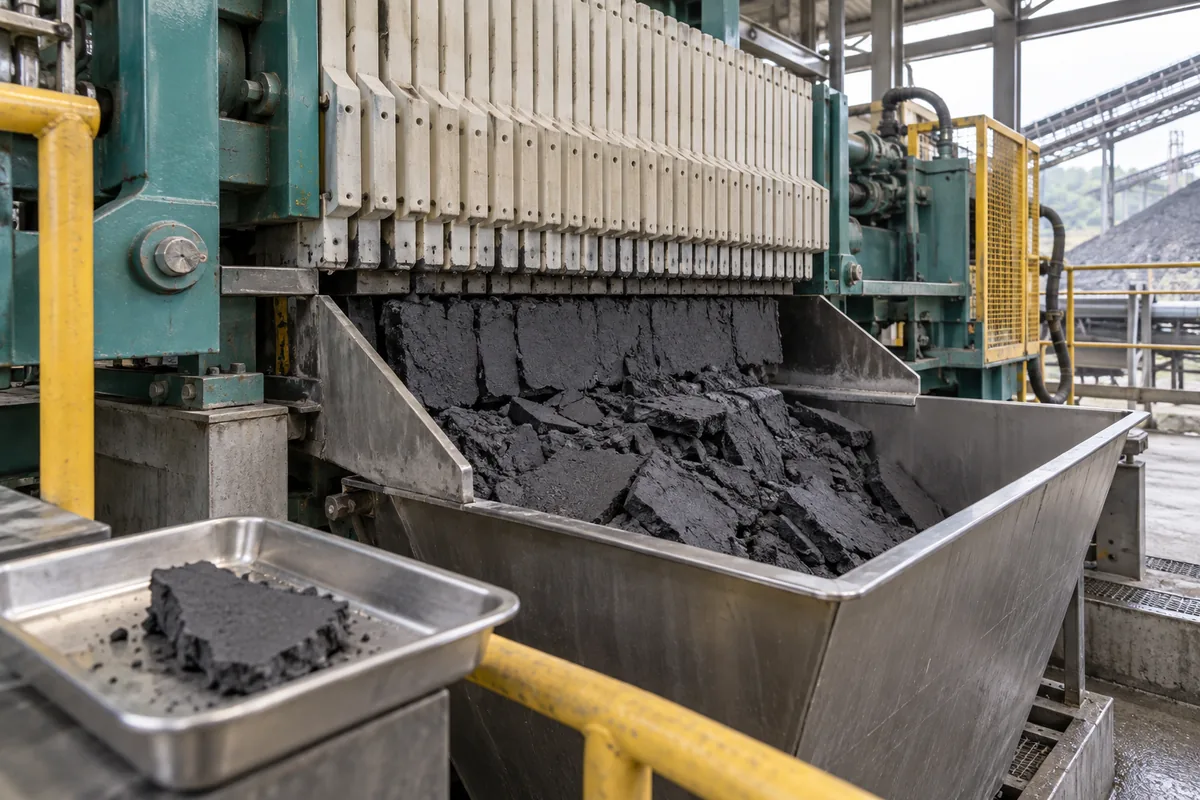
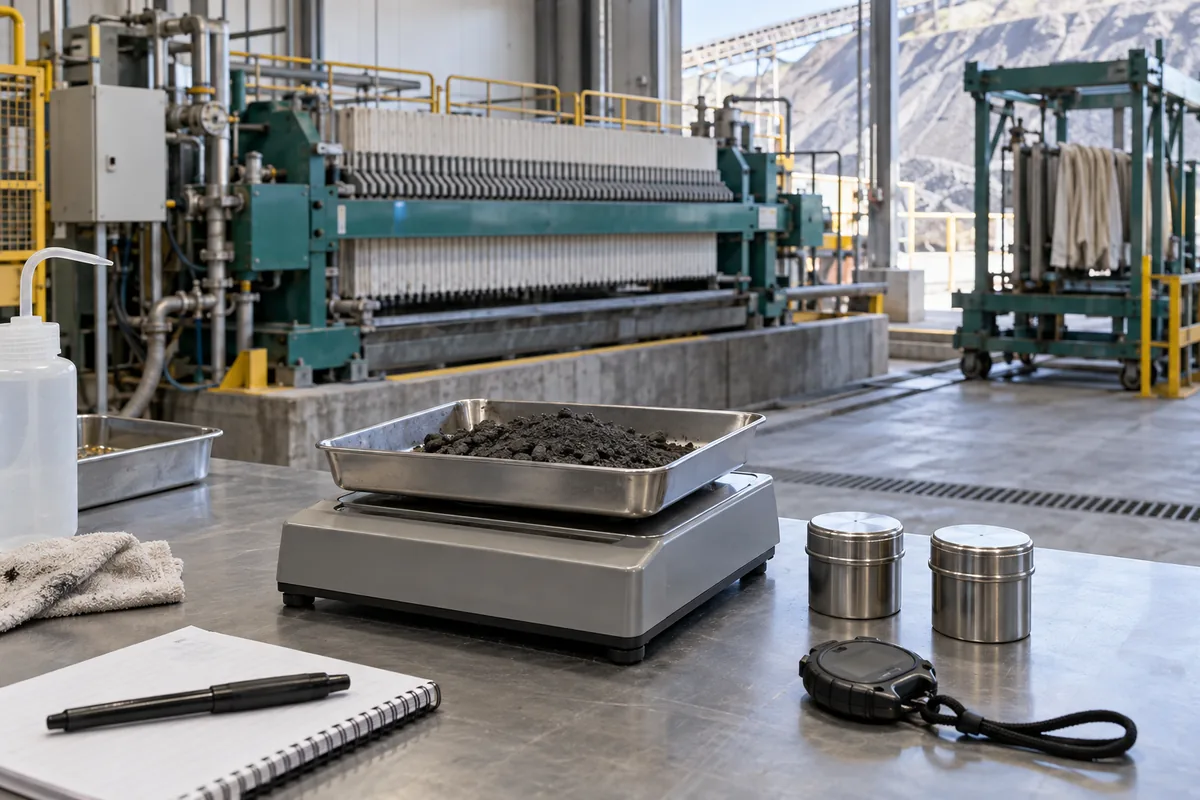
Define the dry solids load, feed variation, water-recovery objective and the intended cake handling route. Filtration results alone do not establish the geotechnical suitability of a storage or placement design.
Mineral concentrate filtration
State the product specification and how retained water or process liquor affects transport and downstream operations. Particle distribution and changes in mineralogy can affect performance.
Metallurgical process residues
Identify chemistry, temperature and whether cake washing or liquid recovery is required. The word ‘residue’ does not establish suitable plate, cloth or seal materials.
Include the Complete Operating Cycle
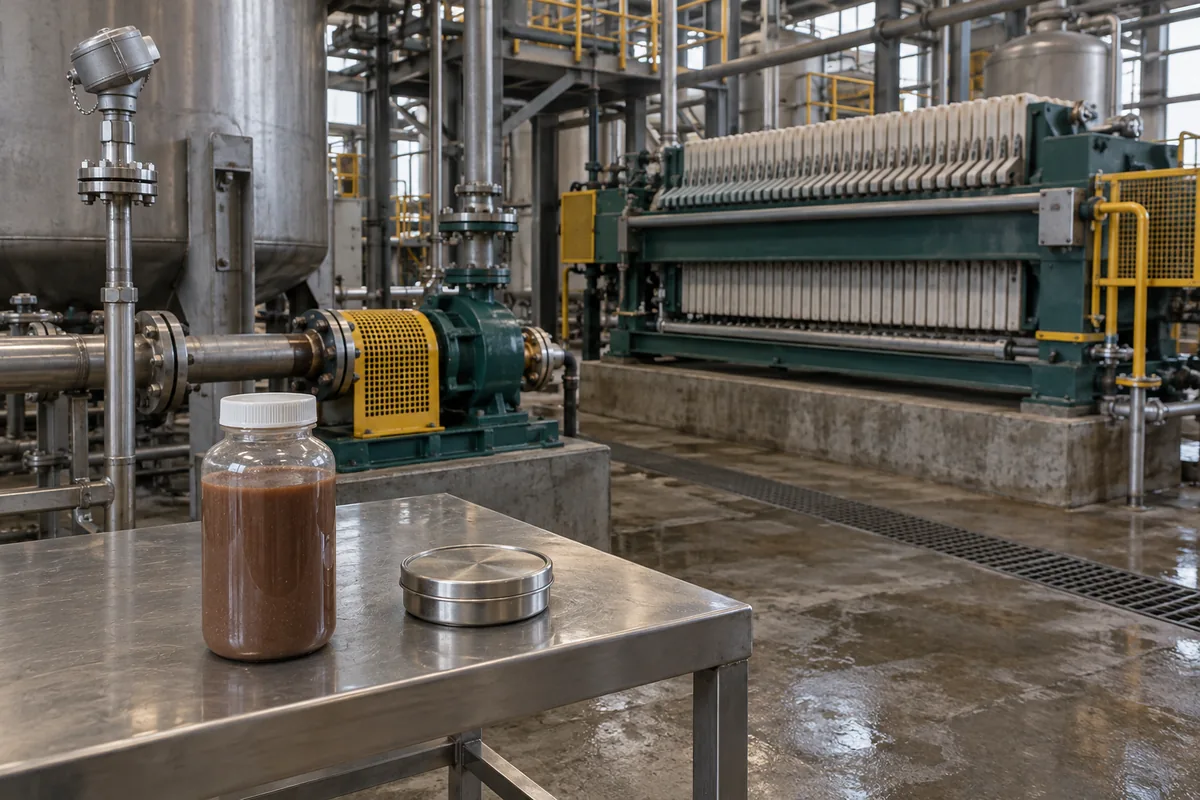
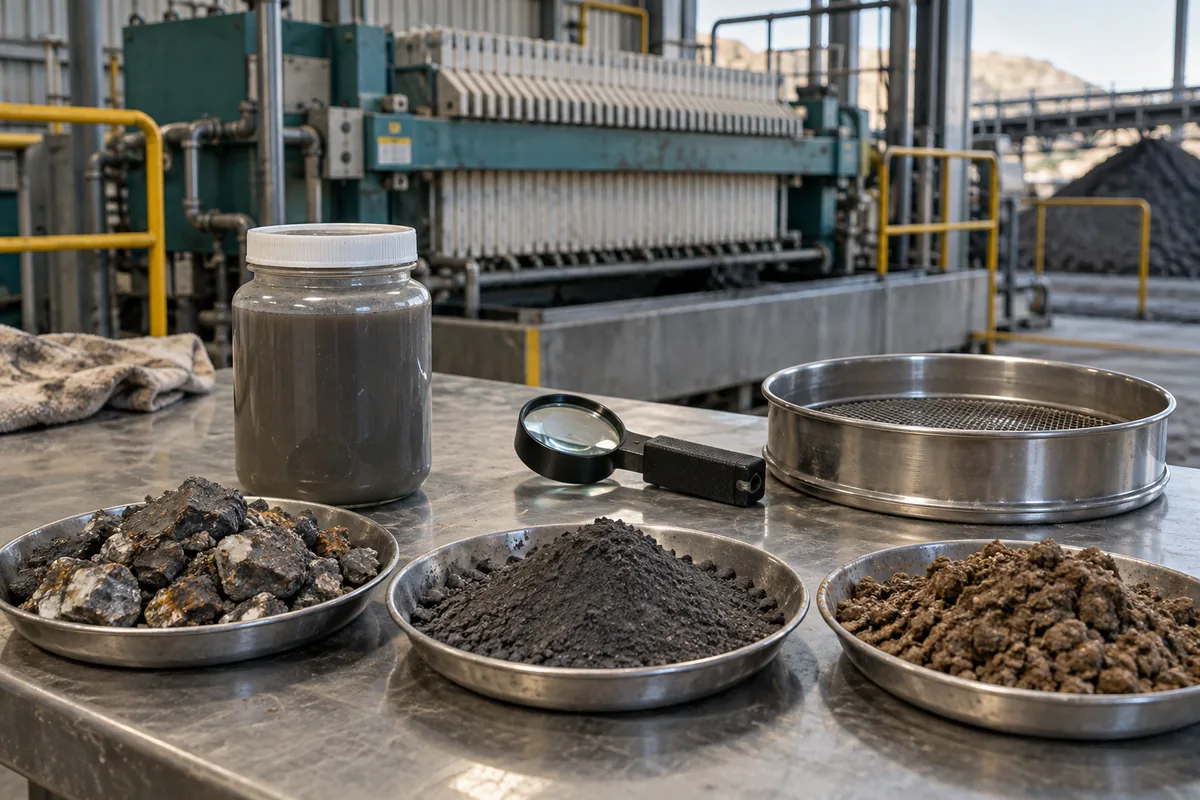
01. Characterize the feed
Record mineralogy, particle distribution, feed solids and changes in the upstream process.
02. Define the separation stages
Establish the filtration duty and whether squeezing, washing or another stage belongs in the proposed sequence.
03. Account for material handling
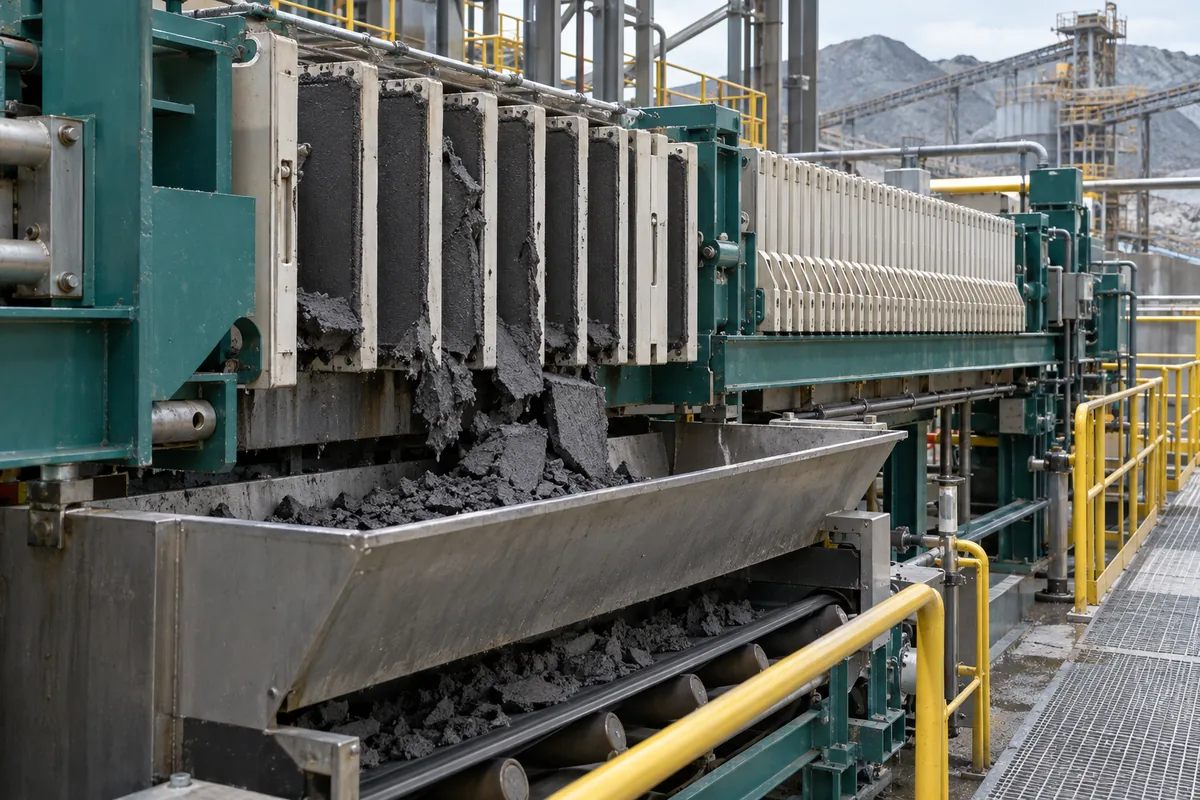
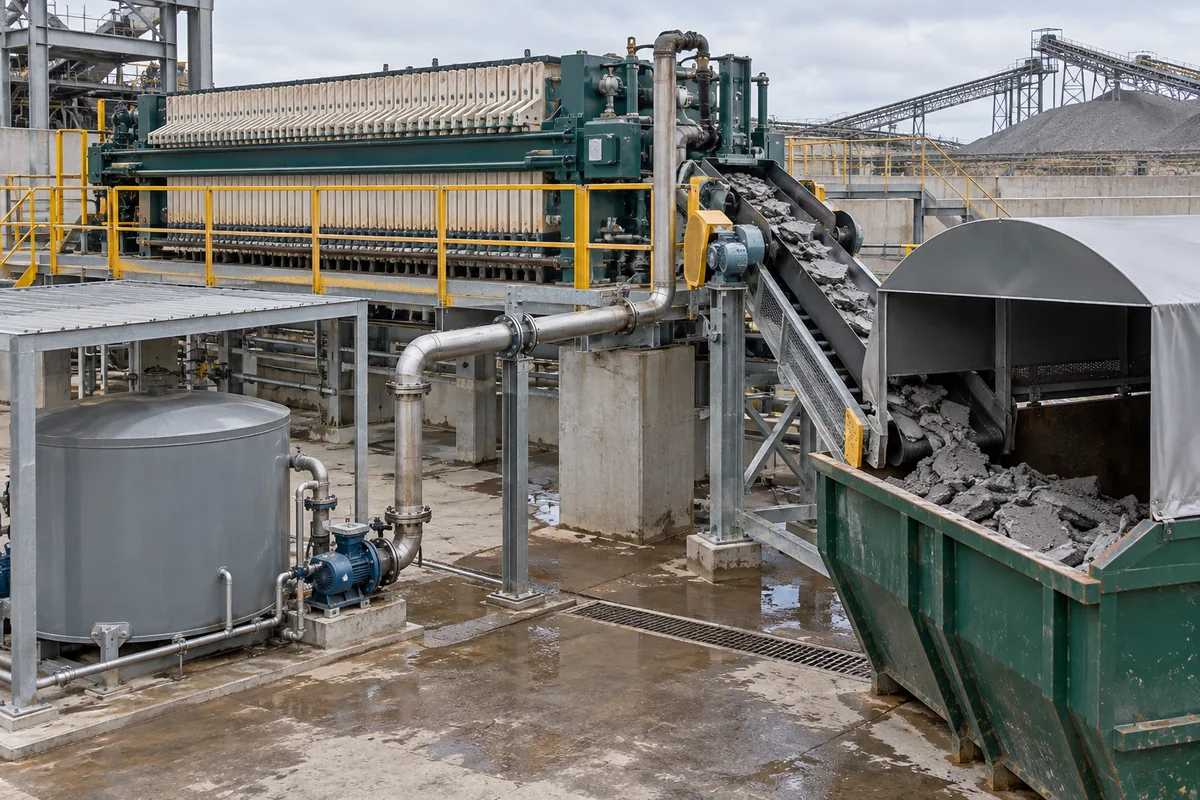
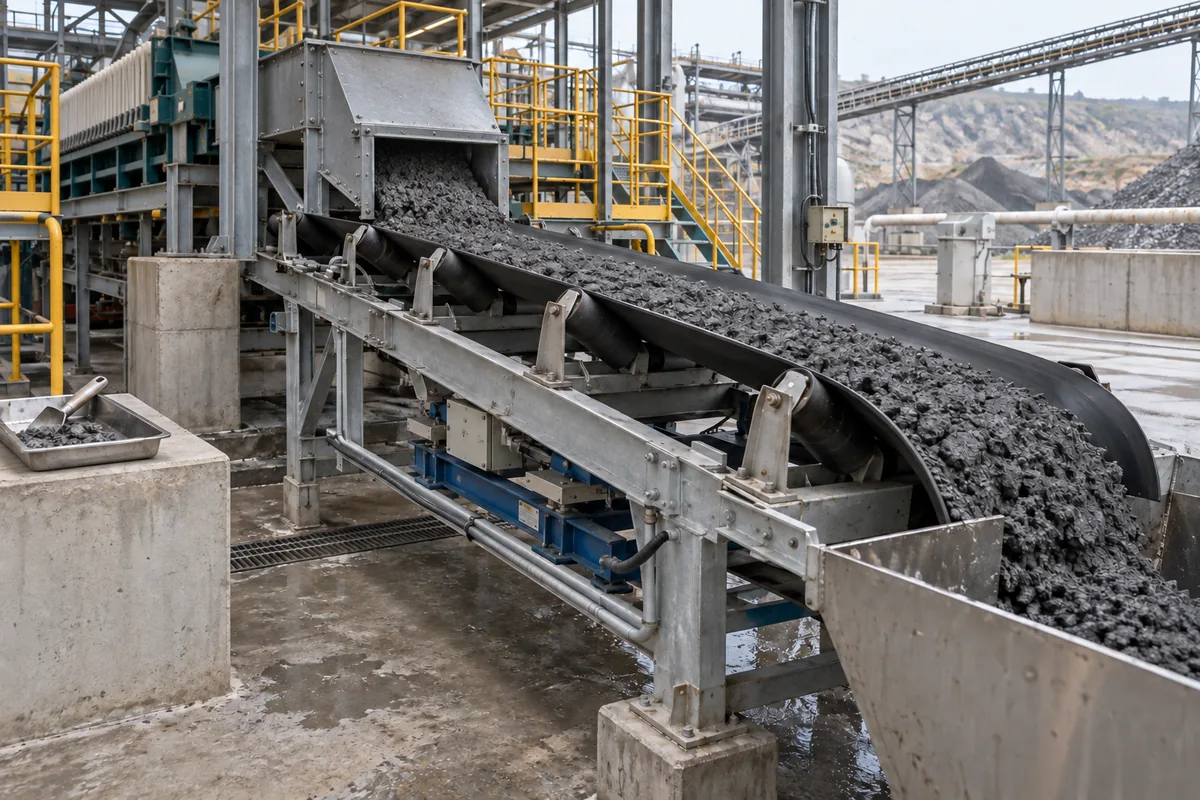
Include opening, discharge, cake conveying and maintenance access when reviewing production capacity.
04. Confirm the downstream route
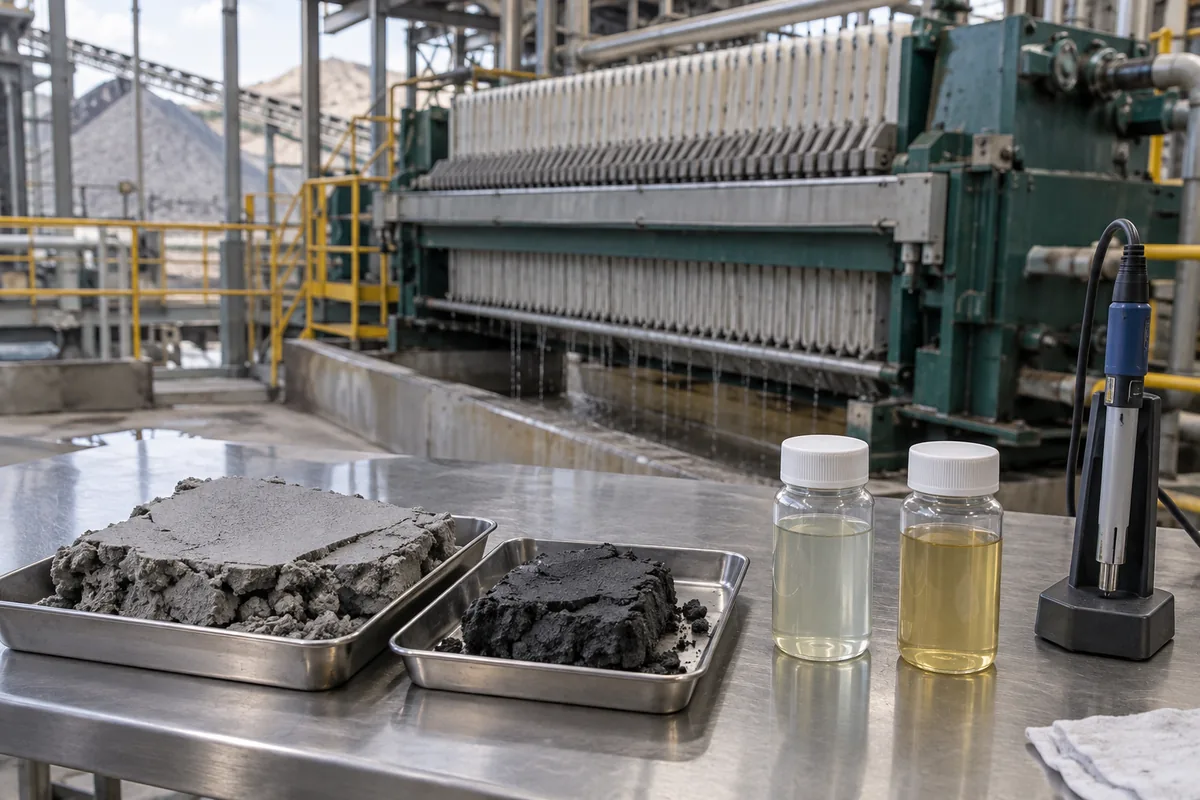
Check the cake and filtrate requirements for recovery, transport, further processing or disposal against measured results.
Configurations to Evaluate
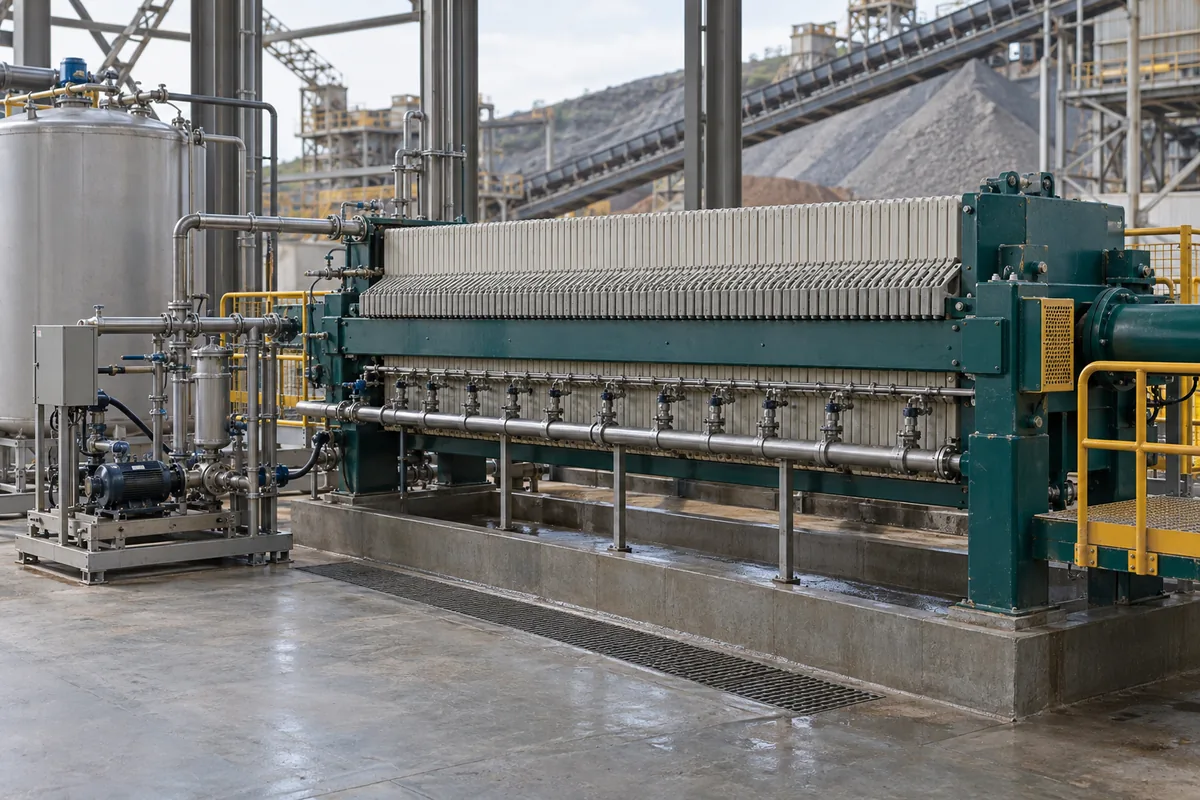
Compare the equipment against the defined process requirement. Open the product pages for model details and available configuration options.
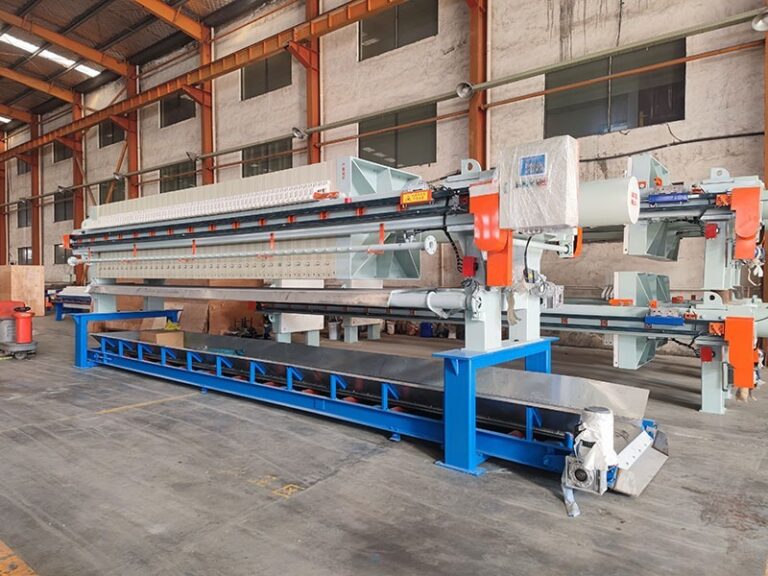
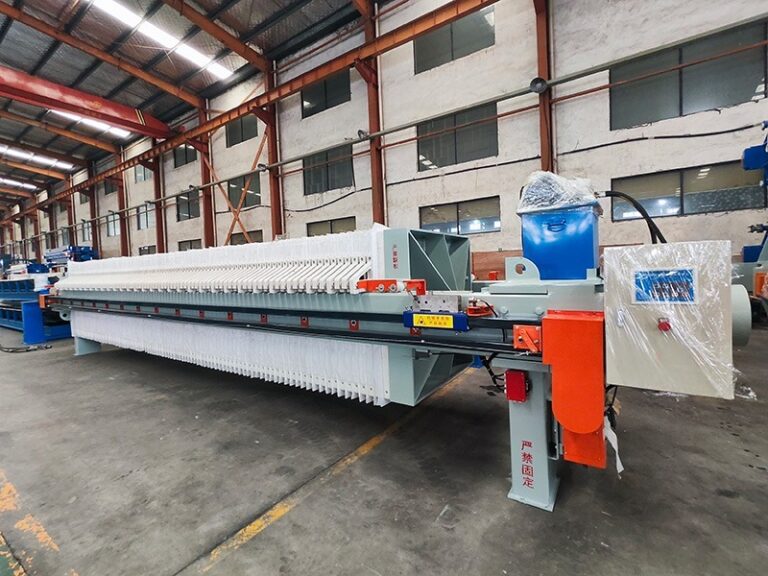
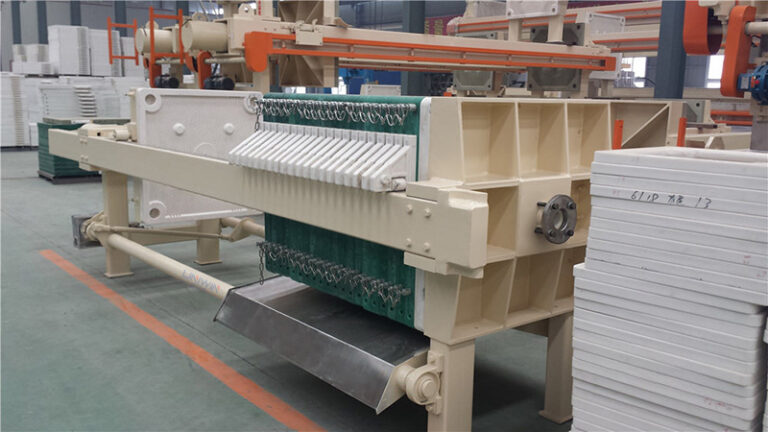
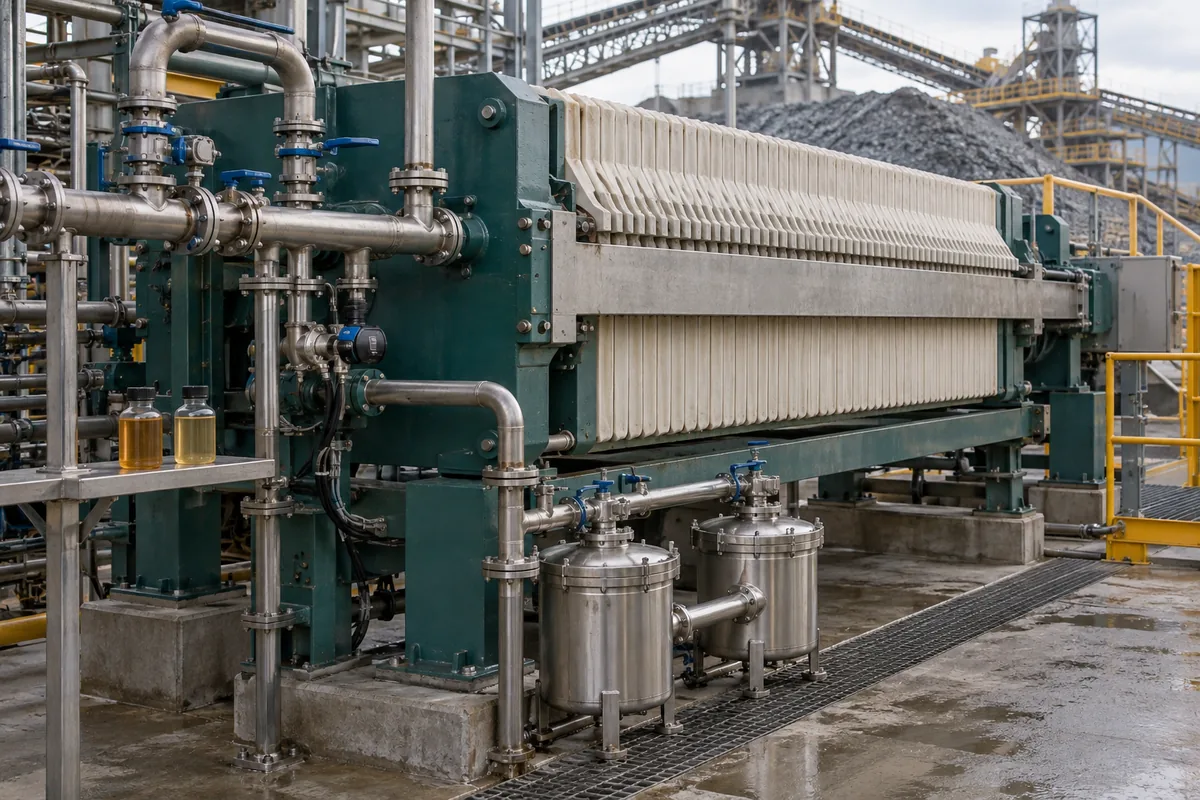
Membrane Filter Press
Evaluate squeezing when additional dewatering or control of the cake condition has measurable value for the duty.
Review: Feed and squeeze ratings, membrane compatibility, filtration results and complete cycle time.
High-pressure configurations can also be evaluated where the material response and equipment ratings support them. A higher pressure or faster opening mechanism does not by itself guarantee more dry solids per shift.
Translate the Site Duty into Measurable Requirements
Solids load and availability
Use dry solids production with stated units, operating hours and expected feed variation. Include planned cleaning and the practical time available for filtration.
Abrasion and compatibility
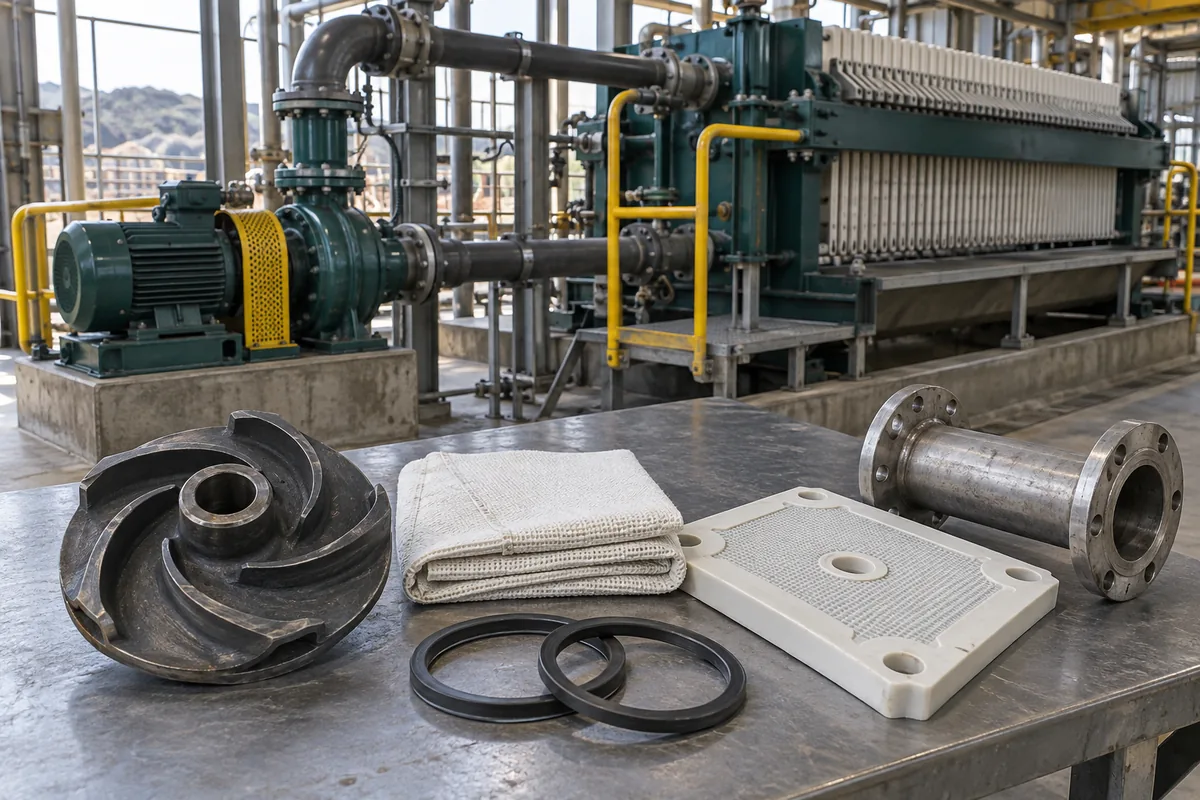
Review the feed pump, cloth, plates, valves and piping as a connected system. Abrasion and corrosion are different mechanisms and may require different provisions.
Washing and liquid recovery
Where retained liquor or impurities matter, specify the required outcome and test method. Include washing in both the material balance and the complete cycle.
Specify the Valuable Result, Not Just the Machine Size
Throughput
Dry solids handled over the agreed operating period using a representative feed and complete cycle.
Product or cake condition
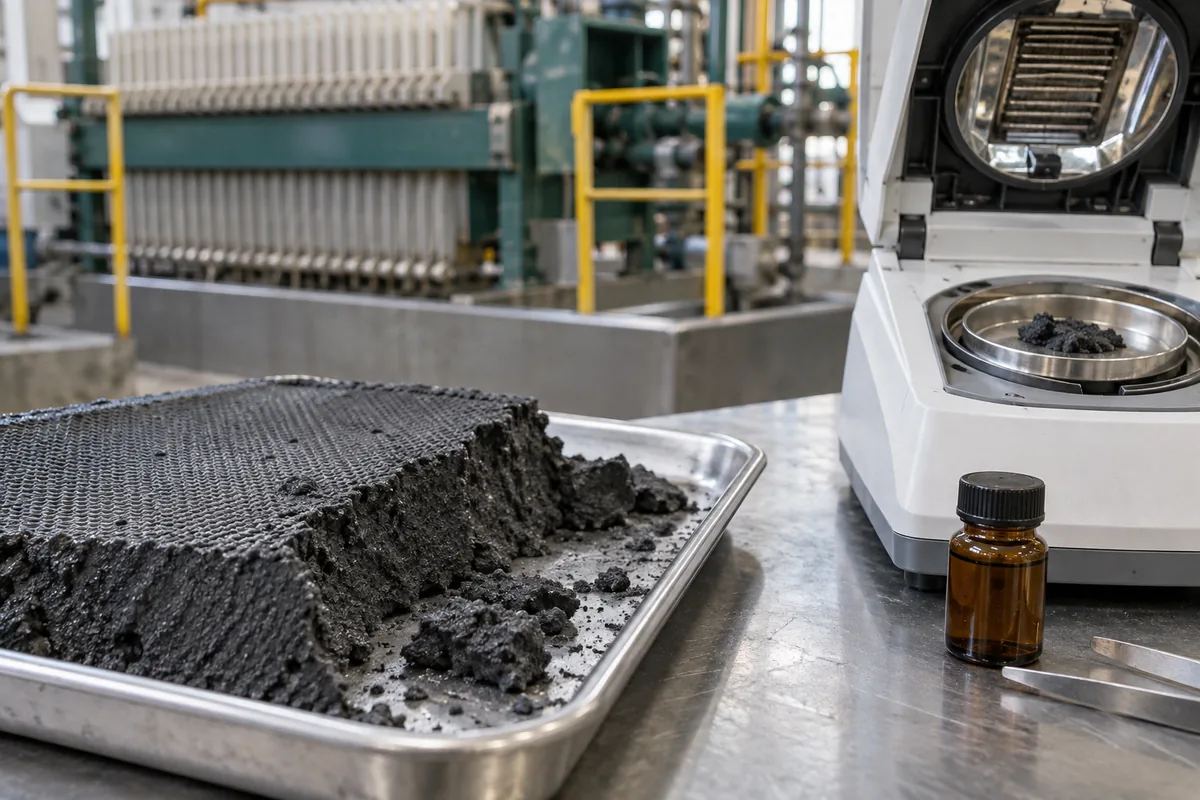
The required moisture/solids basis, handling behavior, recovery or residual-liquor criterion relevant to the application.
Can a tailings result be used to size a concentrate press?
Not without checking the material and duty. Particle behavior, solids loading and the required result can differ even at the same site.
Does membrane squeezing always shorten the cycle?
It can change the dewatering stage, but total cycle time also includes filling, washing where applicable, opening, discharge and cleaning. Compare the complete sequence.
Is cake moisture enough to specify a dry-stacking project?
No. The storage and handling design may require additional material and geotechnical evaluation. The press specification should use the acceptance requirements established for that project.
What if the mineral feed changes over time?
Provide representative ranges or samples for the important operating conditions. Identify which changes could affect filtration and agree how they are reflected in the proposal.
Identify tailings, concentrate or the metallurgical process stream. Include mineralogy, solids load and units, required operating hours, project location and the target product or cake condition.
Our team can review the information and discuss a proposed configuration, scope of supply and the next technical steps.
Please include your application name and project location.