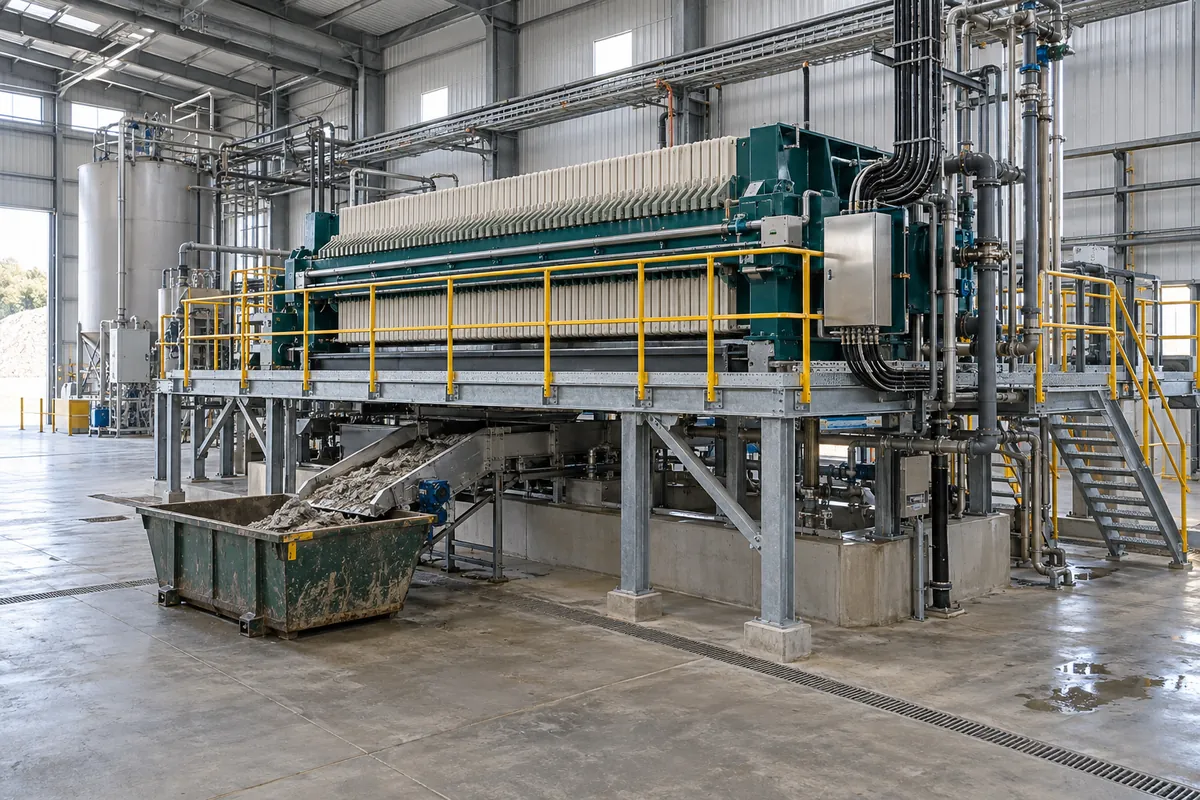
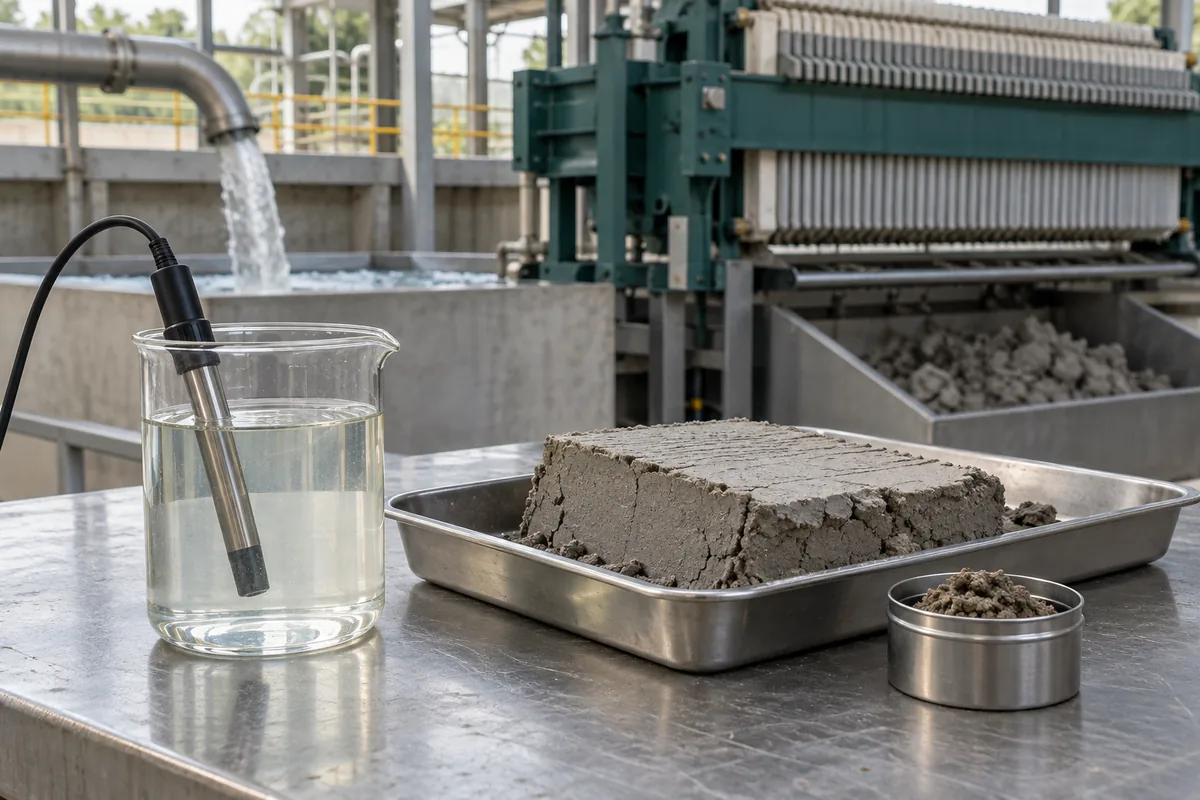
Separate suspended mineral fines from process water and prepare the retained solids for handling. Select the press around the actual slurry, production schedule and water quality required by the next process step.
For stone-cutting water, ceramic processing fines and sand-washing sludge. These streams share mineral solids but can have different filtration behavior.
Application context. Equipment selection depends on the actual duty.
The solids reaching the press can change with the stone or mineral being processed, the washing circuit and the amount of settling or thickening upstream. A consistent feed can make production easier to plan, while variable fine-clay content can change the filtration cycle and cake handling.
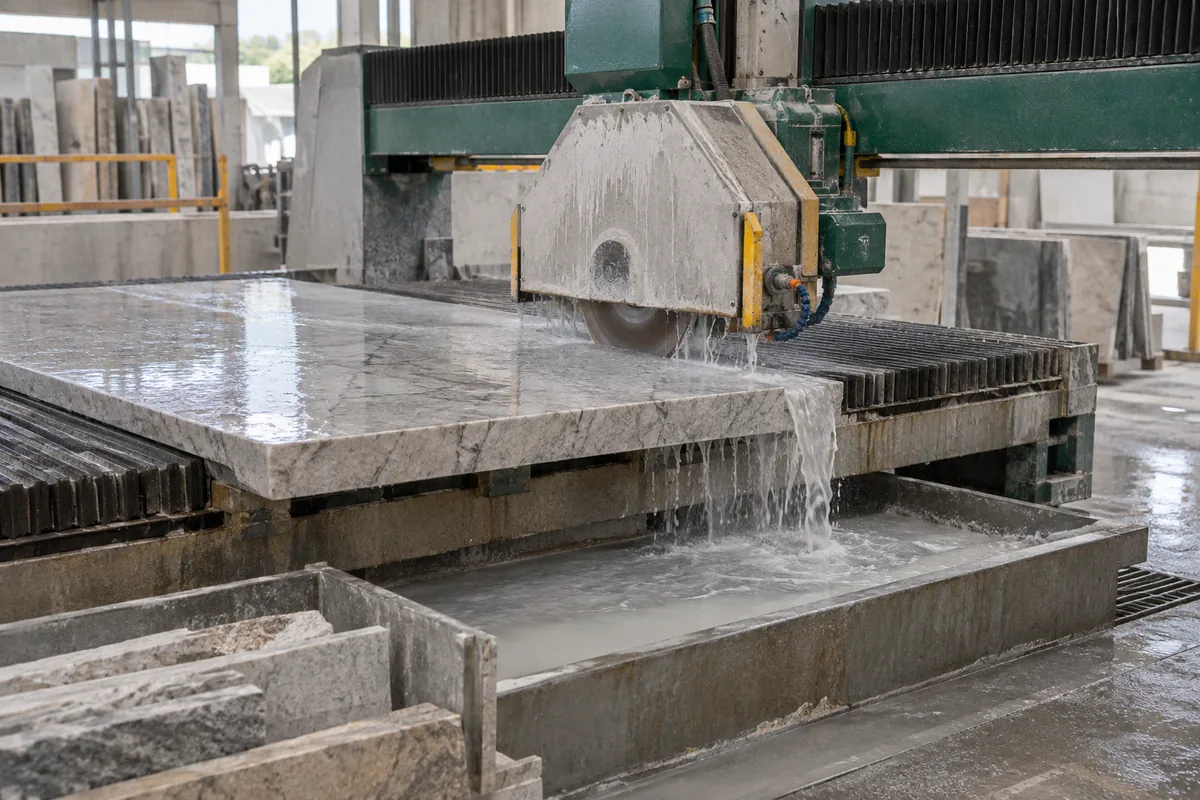
Stone cutting and polishing
Identify the stone, cutting or polishing process, additives and the fine solids collected in the water system. The requirement is often linked to water recirculation and manageable cake removal.
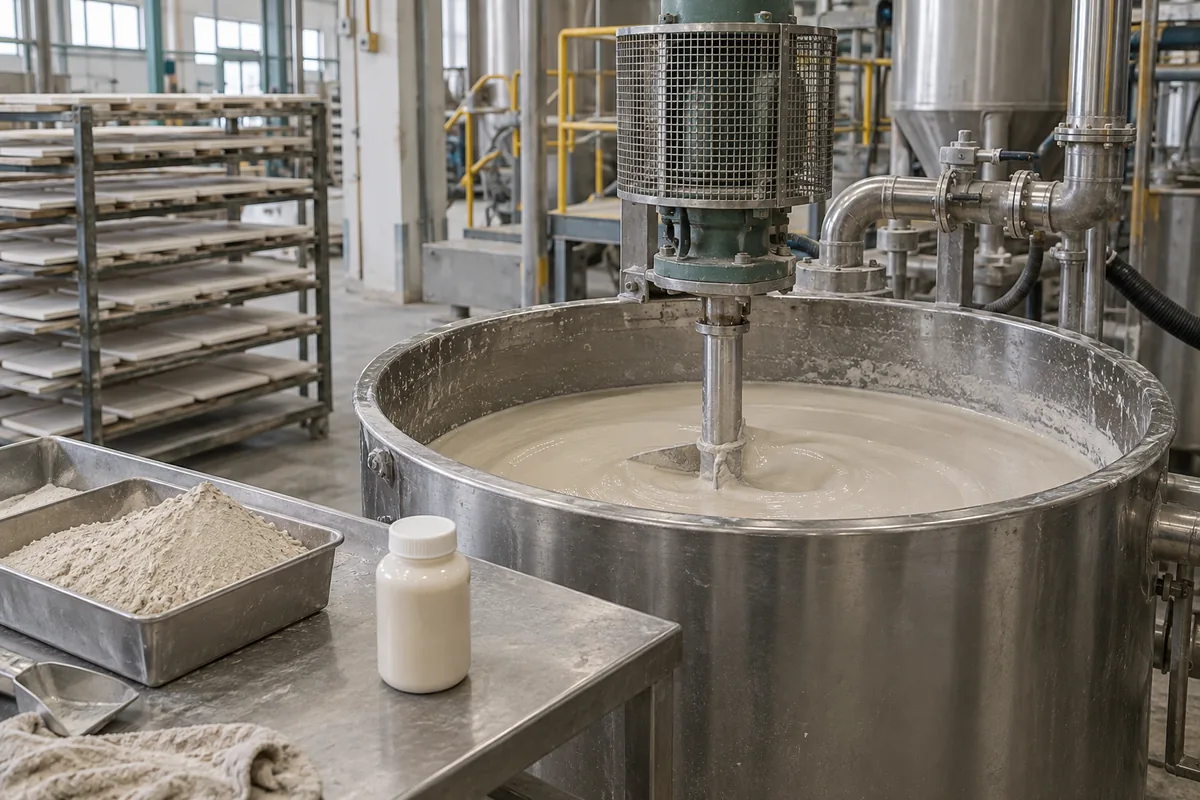
Ceramic and clay-bearing streams
Distinguish product recovery from waste-slurry treatment. Fine or compressible particles and changes in formulation can affect cloth selection, cycle time and the required cake condition.
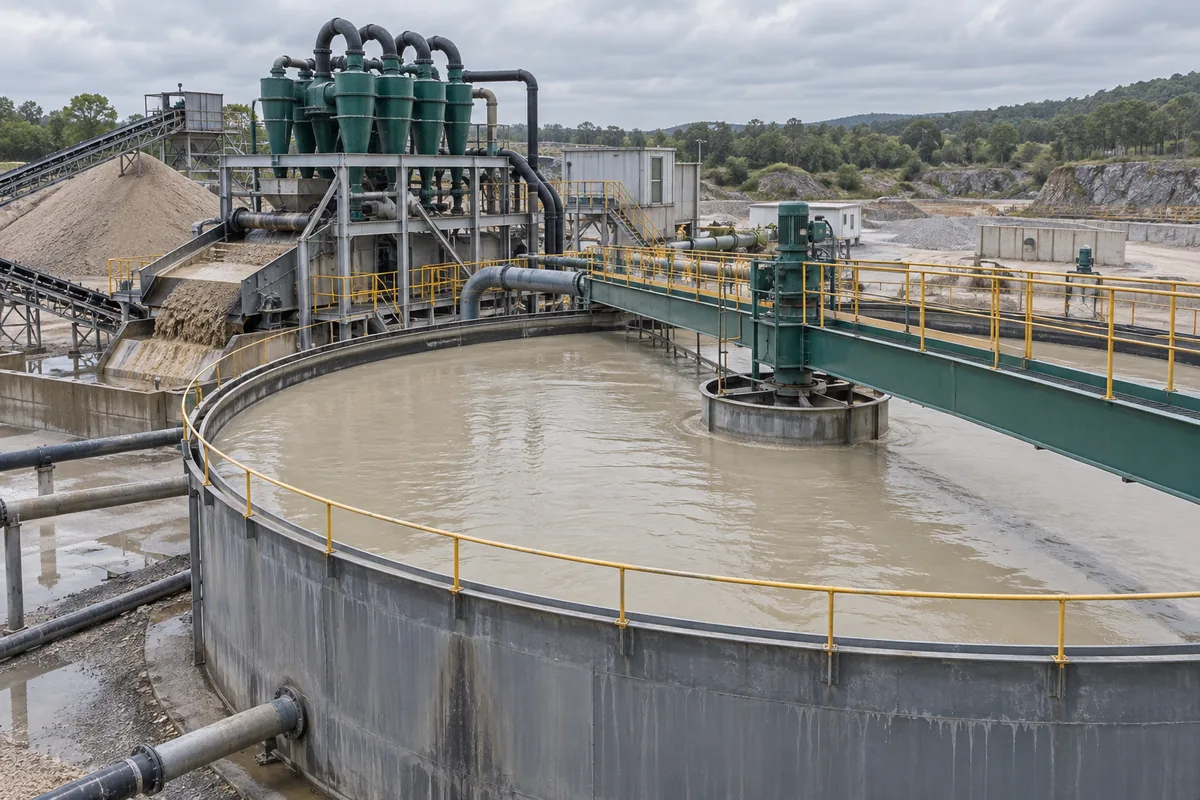
Sand-washing sludge
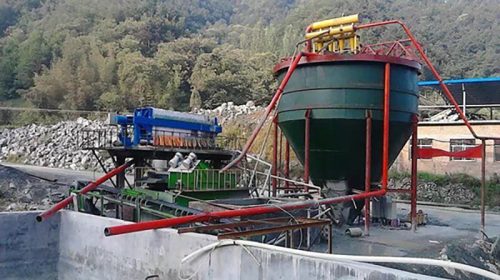
Review the suspended fines and clay fraction, thickener operation and changes in feed. The press treats the slurry presented to it; upstream separation determines what that slurry contains.
Review the Water and Solids Circuit Together
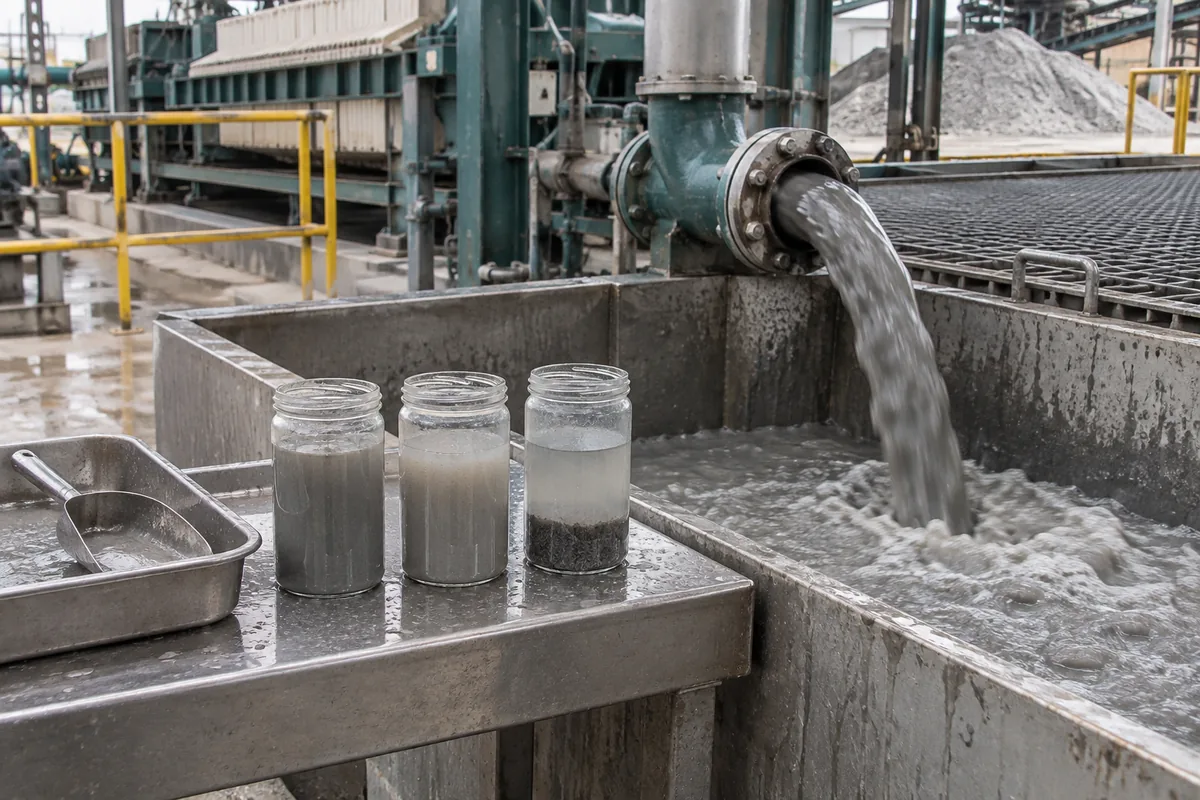
01. Collect and characterize
Identify where the slurry enters the treatment circuit and how its flow and solids content change during production.
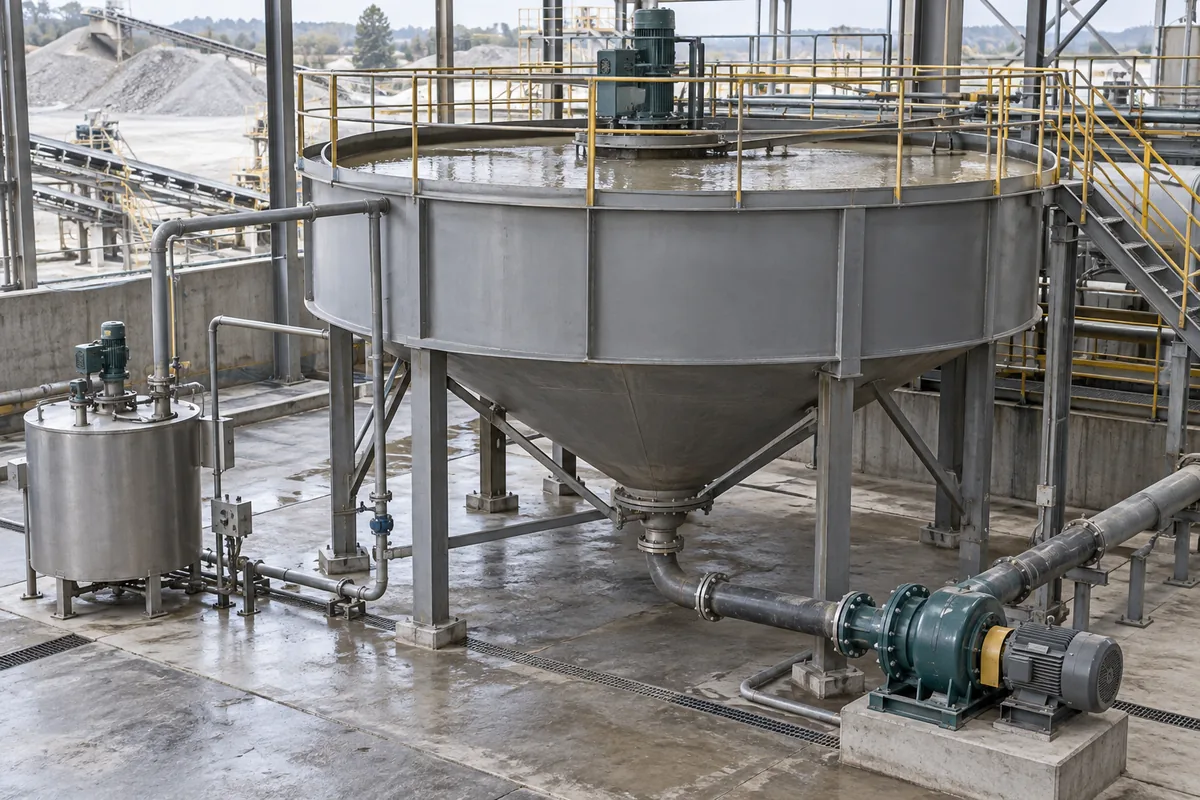
02. Settle, thicken or condition
Review the actual upstream arrangement and the consistency of the feed available to the press. Include any conditioning used in a test or proposal.
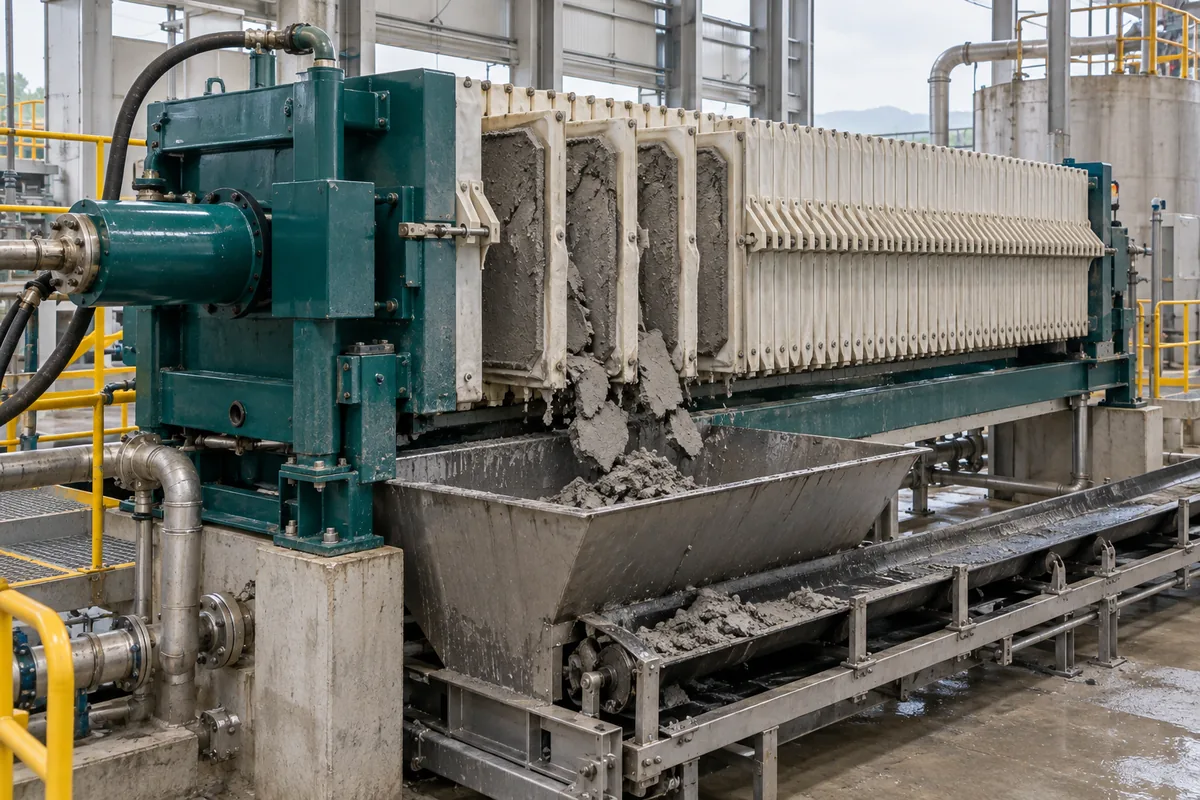
03. Filter and remove cake
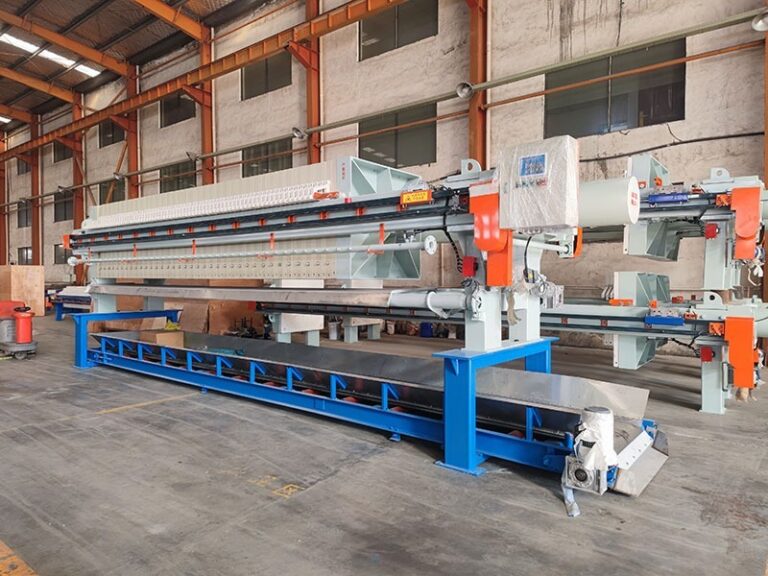
Compare equipment capacity using the complete filtration and discharge cycle. Confirm access and the proposed cake collection or conveying arrangement.
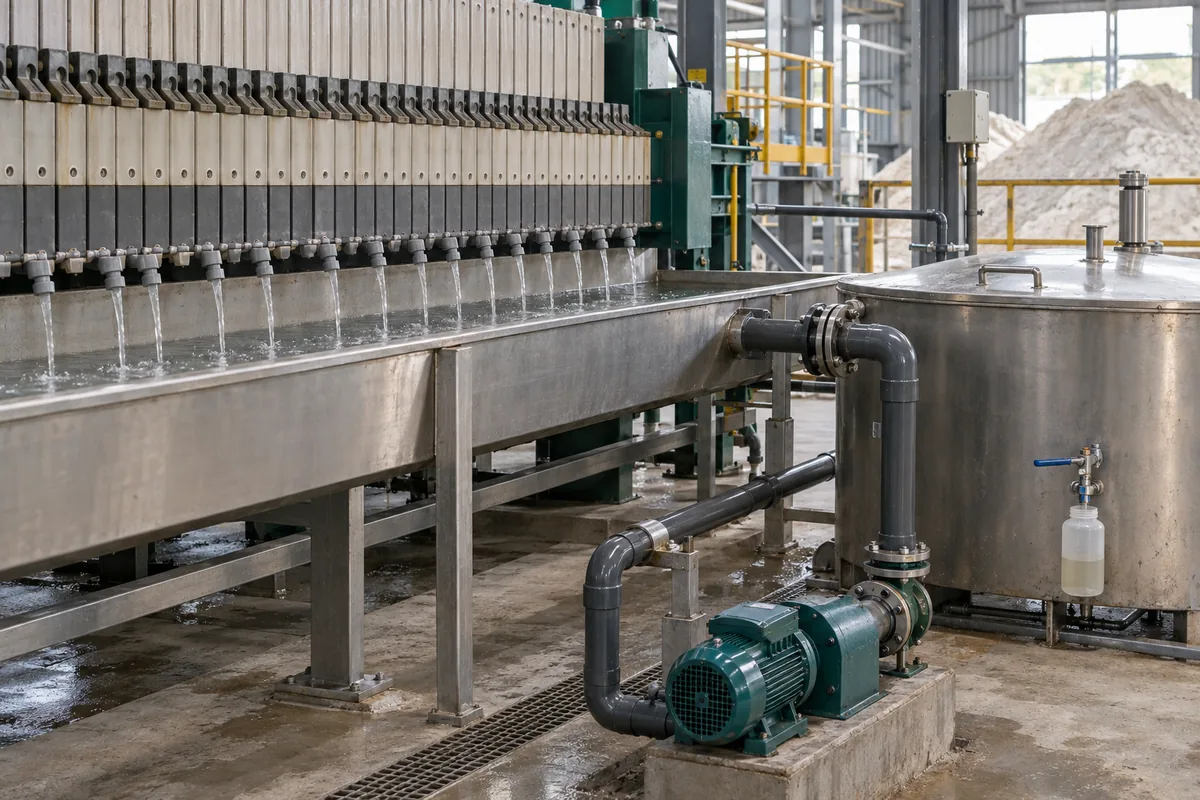
04. Return or treat filtrate
Check whether filtrate quality suits the water-reuse point. Suspended-solids removal does not automatically resolve dissolved salts or other process-water limits.
Configurations to Evaluate
Compare the equipment against the defined process requirement. Open the product pages for model details and available configuration options.
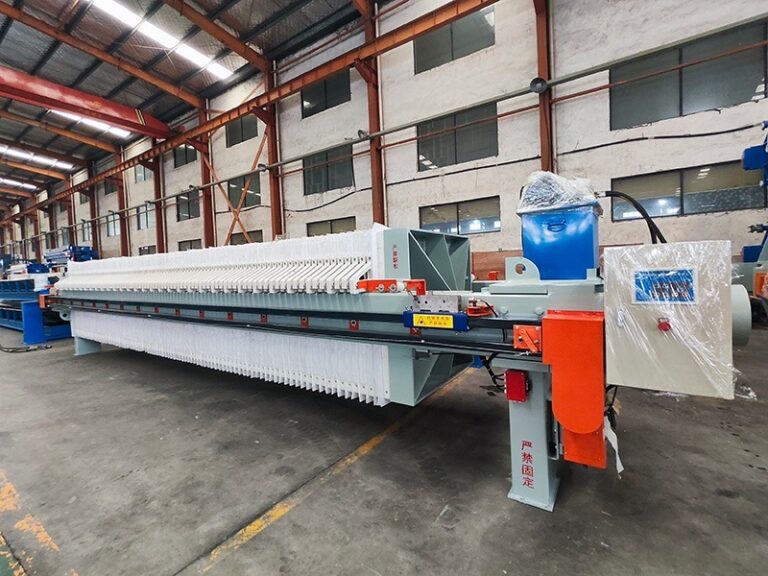
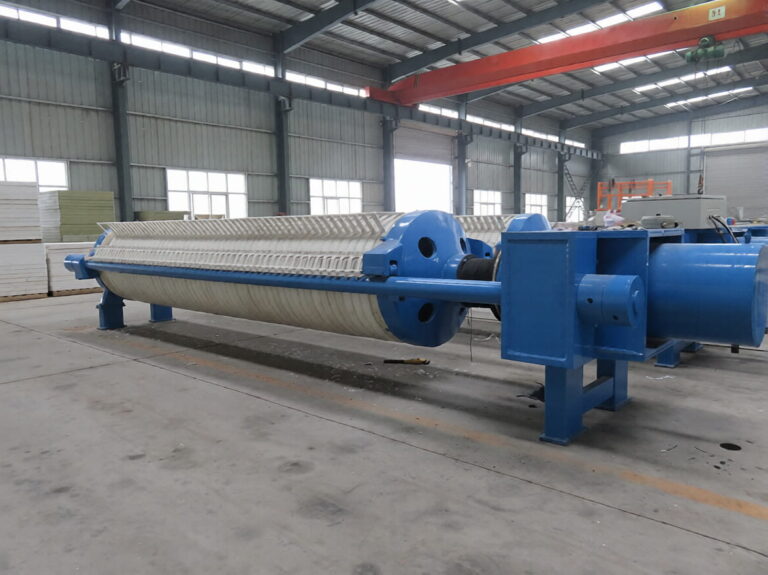
Recessed Chamber Filter Press
Evaluate for conventional mineral-slurry filtration where the required cake and production rate can be achieved.
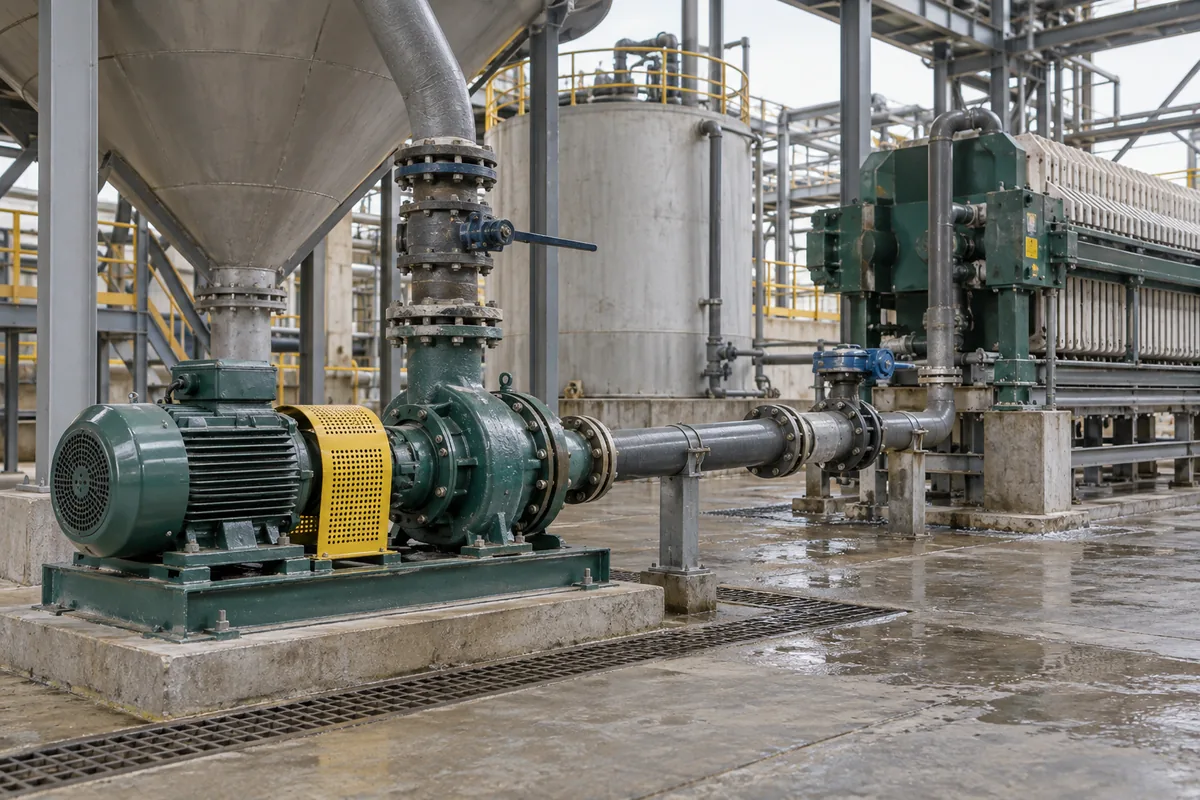
Keep feed pressure, membrane squeeze pressure and hydraulic closing pressure separate when comparing quotations. A pressure number alone does not describe production capacity.
Questions That Change the Equipment Selection
How variable is the fines content?
A short test on an unusually easy sample may not represent a change in quarry material, clay content or ceramic formulation. Include representative operating conditions.
Where will the cake go?
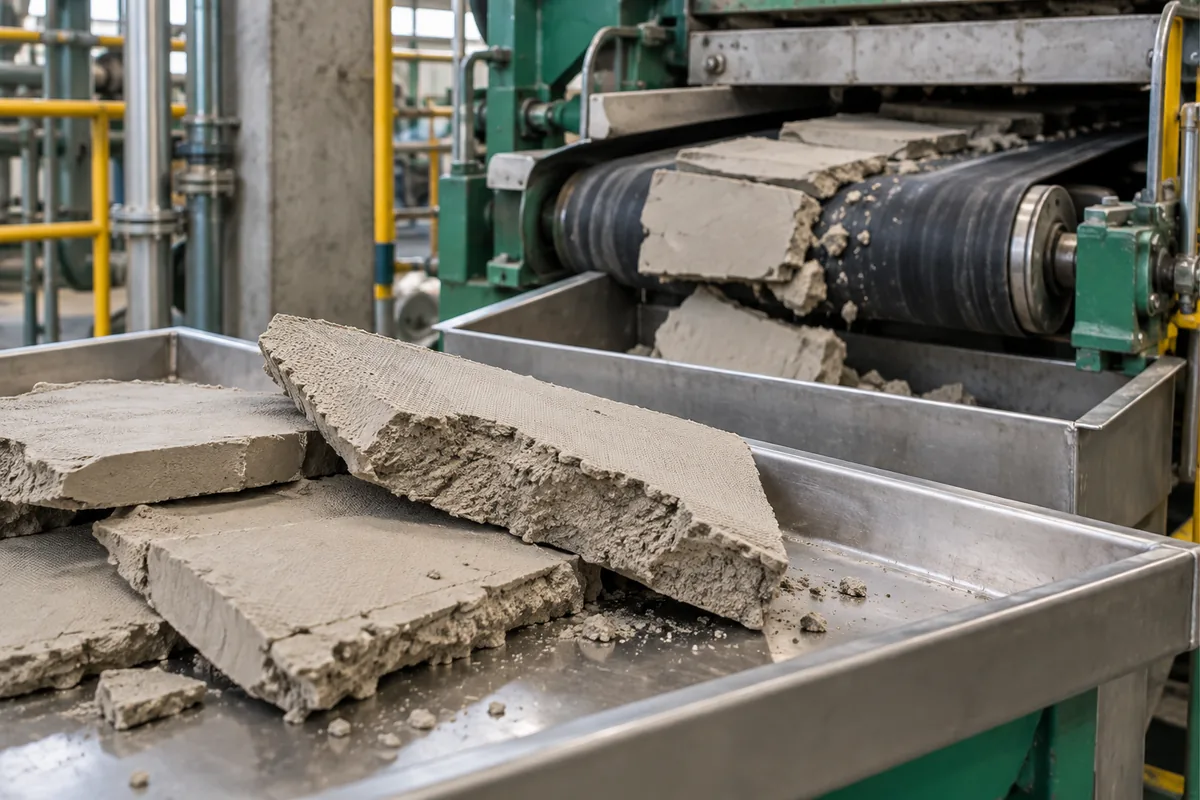
Define whether it will be conveyed, loaded, stored or sent for further processing. The required handling condition can matter as much as a single moisture number.
What does the reuse point require?
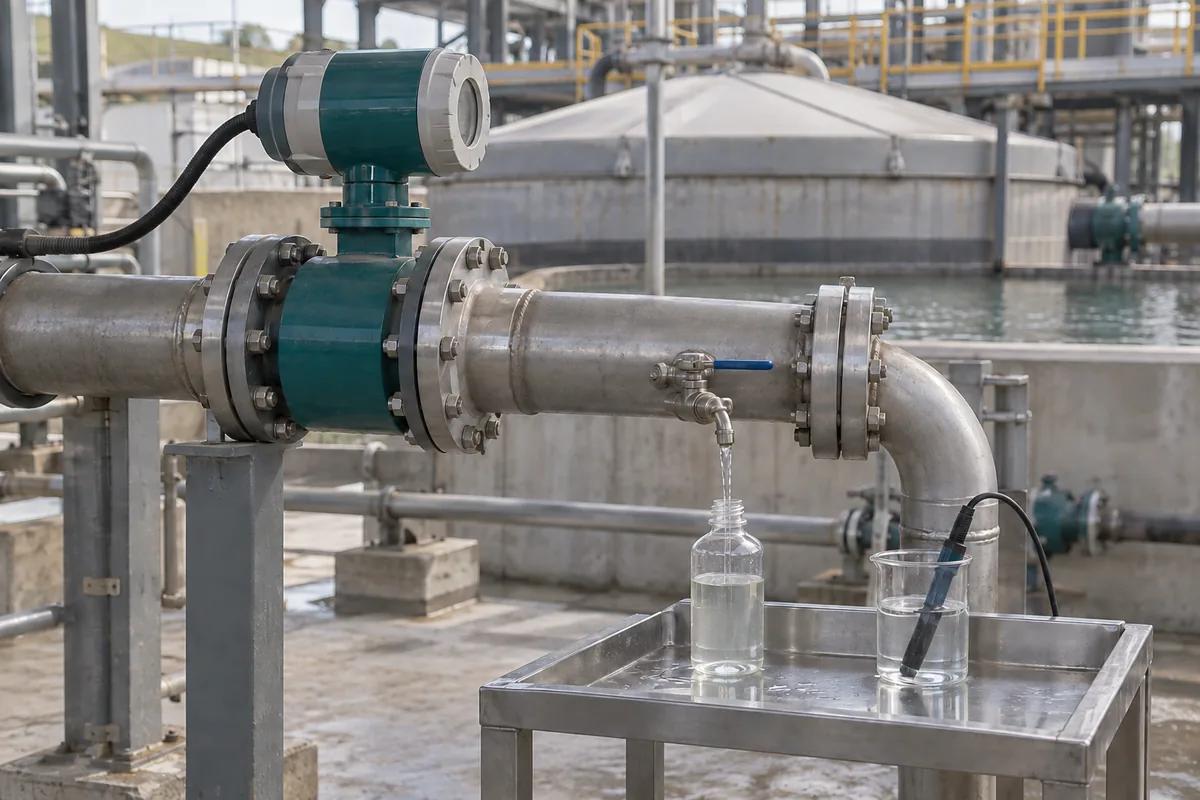
Identify the return-water destination and the quality it needs. Review filtrate testing, water balance and any additional treatment independently of the press selection.
Compare Performance on the Same Feed Basis
Solids production
Dry solids load and complete cycles during the available shift, including discharge and cleaning.
Cake handling
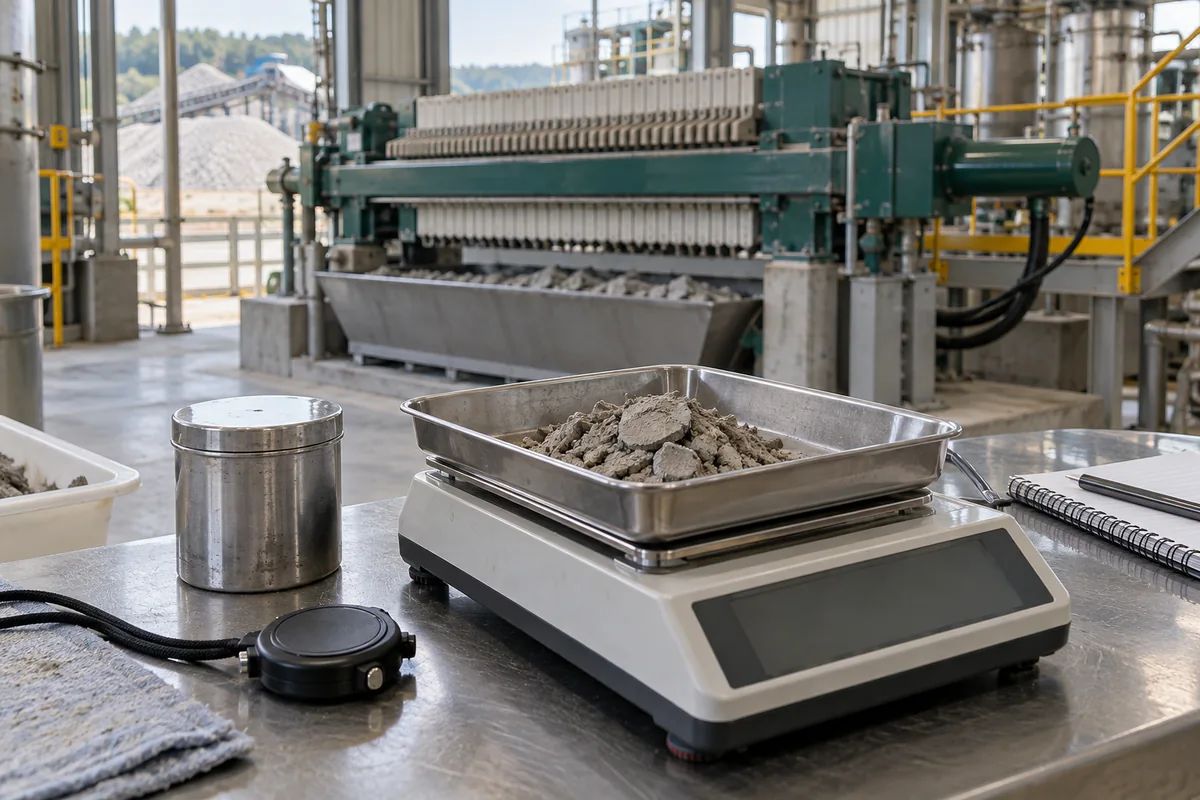
Moisture or solids result with a defined test method, and whether the cake meets the intended handling requirement.
Water circuit
Filtrate quality and recovered liquid measured against the reuse point, with feed variation and upstream conditioning recorded.
Information for an Application Review
Share the available process information below. Identify estimates and unknown values so the next measurement or test can be discussed.
Material
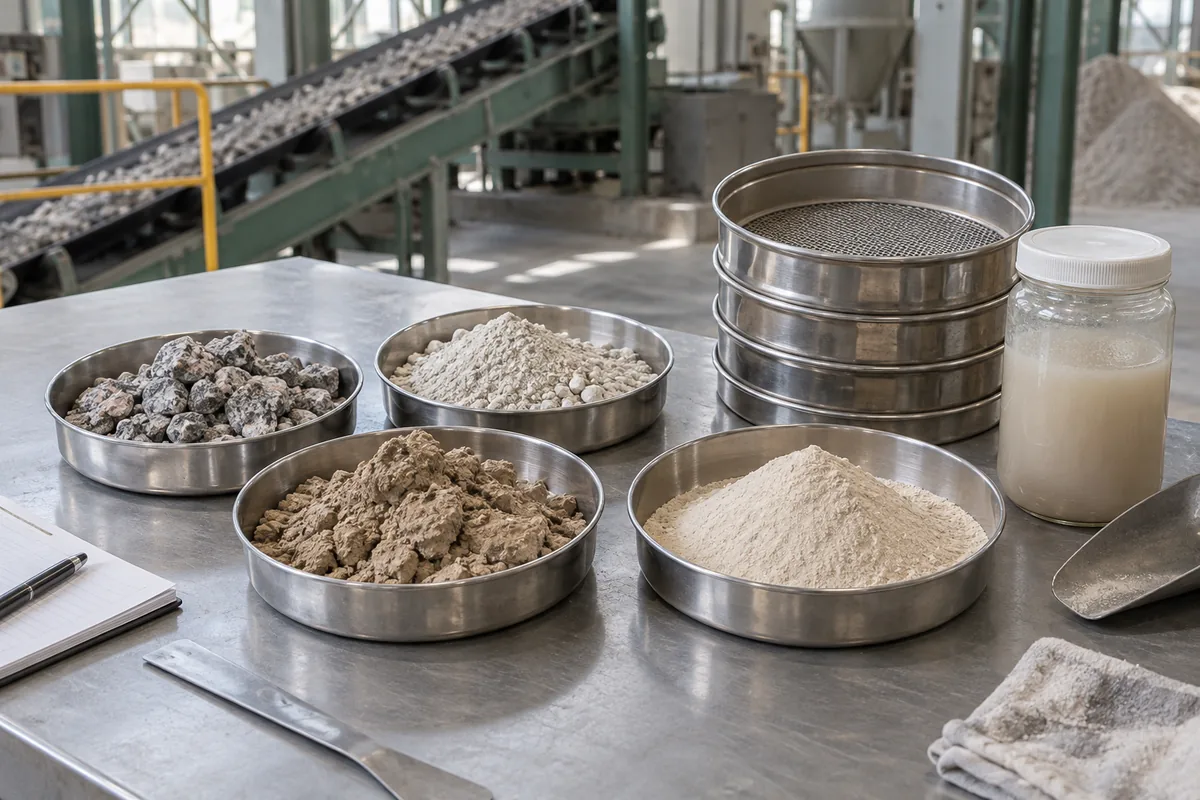
Stone or mineral type; ceramic composition where relevant; particle-size information and clay/fines variation.
Feed circuit
Typical and peak slurry volume; solids concentration; thickener, settling tank and conditioning details.
Production and space
Operating hours, required production, layout, cake collection method and available utilities.
Water and solids targets
Return-water quality, cake handling or disposal route, and any current production bottleneck.
Is a high-pressure press always better for stone slurry?
No. The useful pressure and filtration response depend on the material and the complete equipment. Compare representative test results, cycle time and operating requirements.
Can clear filtrate be returned directly to production?
That depends on the reuse point. Test the relevant water-quality parameters rather than judging only by appearance.
Do sand-washing and ceramic slurries need the same press?
They may use a similar configuration, but particle characteristics, concentration and the value or disposal route of the solids can be different.
Should the press be considered separately from the thickener?
The machines can have separate specifications, but their duties are connected. The feed available from the thickener affects the press cycle and solids handling.
Tell us whether you process stone, ceramics or sand-washing sludge. Include material variation, feed volume and units, solids if known, water-reuse target and cake-handling requirements.
Our team can review the information and discuss a proposed configuration, scope of supply and the next technical steps.
Please include your application name and project location.