A filter press separates suspended solids from a liquid slurry, producing a solid cake and a filtered liquid called filtrate. If you’re asking What Is Filter Press Used for, its main jobs are dewatering sludge, recovering valuable materials, preparing water for reuse, and washing solids during manufacturing.
| Application | Material processed | Main purpose |
|---|---|---|
| Wastewater treatment | Industrial and municipal sludge | Remove water and reduce the wet mass sent for disposal |
| Mining and mineral processing | Tailings and mineral concentrates | Recover process water and produce manageable solids |
| Chemical manufacturing | Precipitates, crystals, and pigments | Recover products and wash soluble impurities from cake |
| Food and beverage processing | Selected syrups, oils, and ingredient slurries | Remove suspended solids or recover useful ingredients |
| Stone, ceramics, and aggregates | Cutting slurry, clay, and wash-plant fines | Separate fine solids and support water recirculation |
| Metal finishing and battery recycling | Metal-bearing treatment and process slurries | Collect precipitated solids for further handling or recovery |
The value depends on what you need to keep. Sometimes it’s the cake. Sometimes it’s the liquid. And sometimes both streams have value.
That distinction matters before you compare machines, request prices, or calculate potential savings.
What Does a Filter Press Actually Separate?
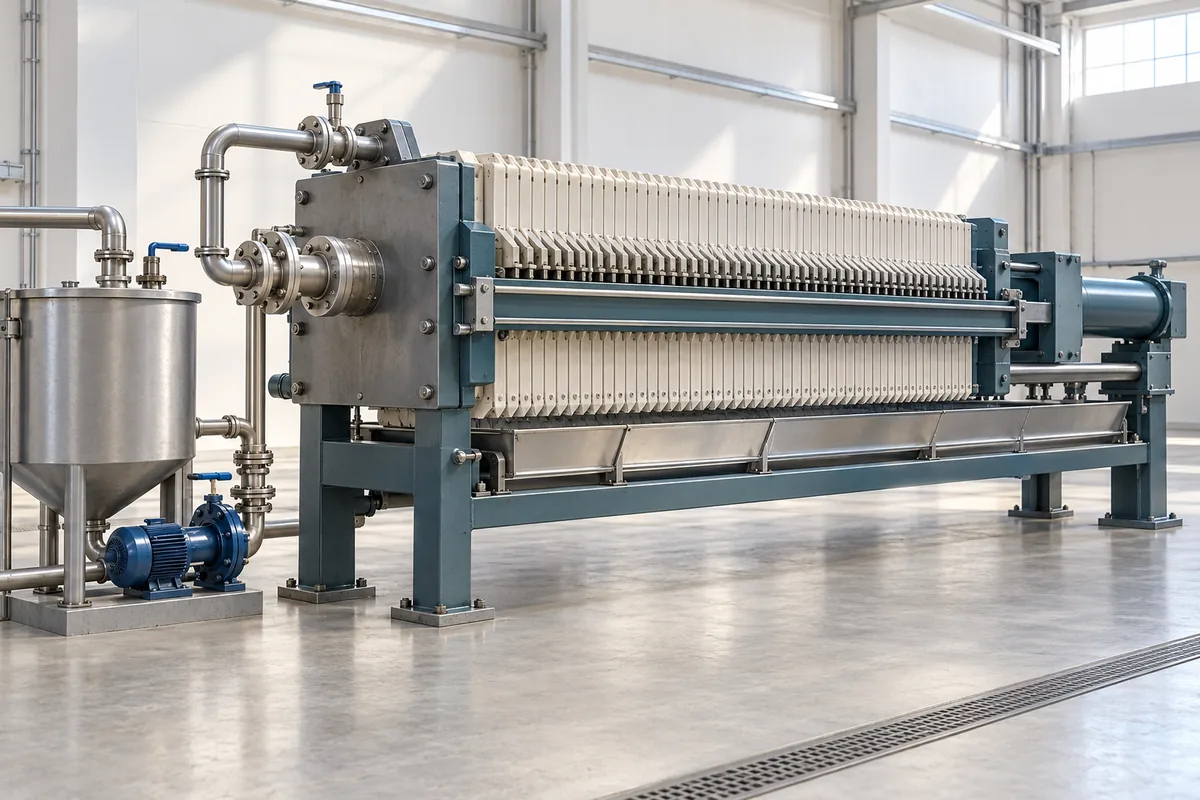
A filter press performs solid-liquid separation using pressure and a filtering medium, usually filter cloth, to capture suspended particles. It doesn’t automatically remove dissolved salts, destroy pathogens, or turn industrial wastewater into drinking water.
Think about muddy water. The mud consists of particles that can be captured. Salt dissolved in that same water generally travels through with the liquid.
Three terms make the process easier to understand:
- Slurry: The incoming mixture of liquid and suspended solids.
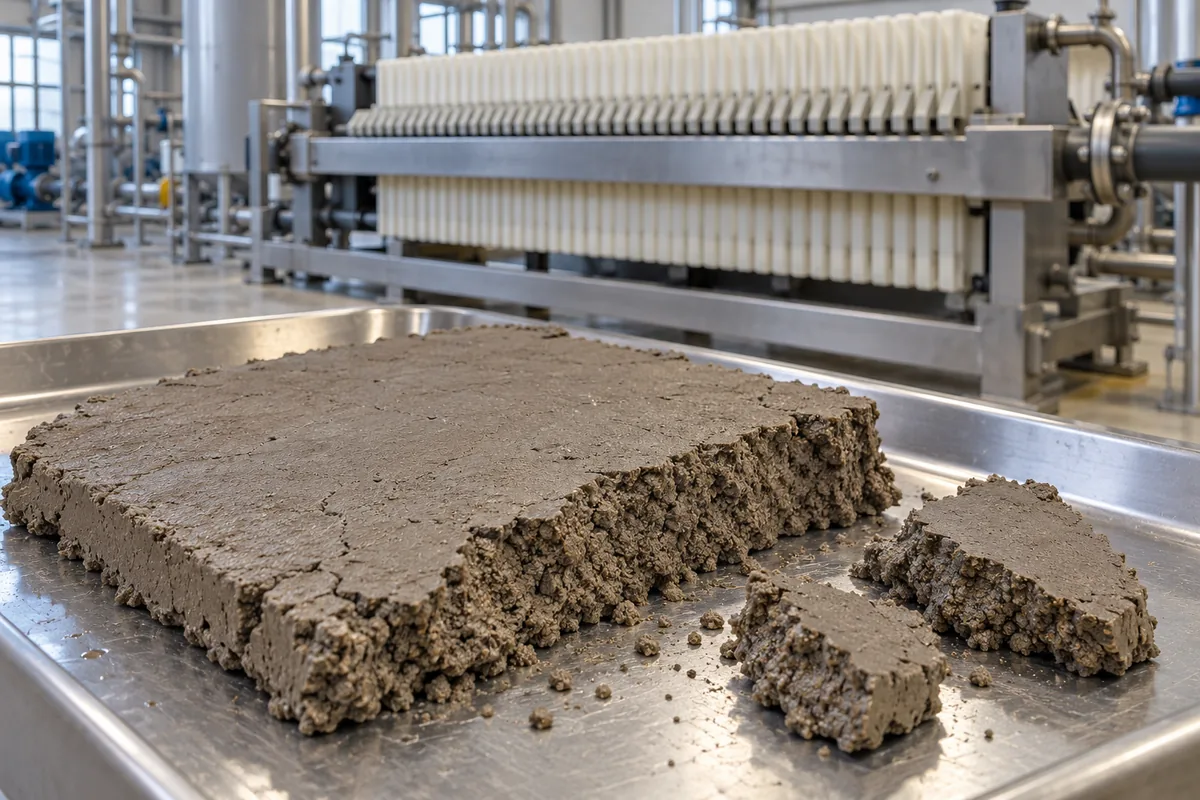
- Filter cake: The solids collected inside the press, together with the liquid that remains trapped in them.
- Filtrate: The liquid that passes through the cloth and developing cake.
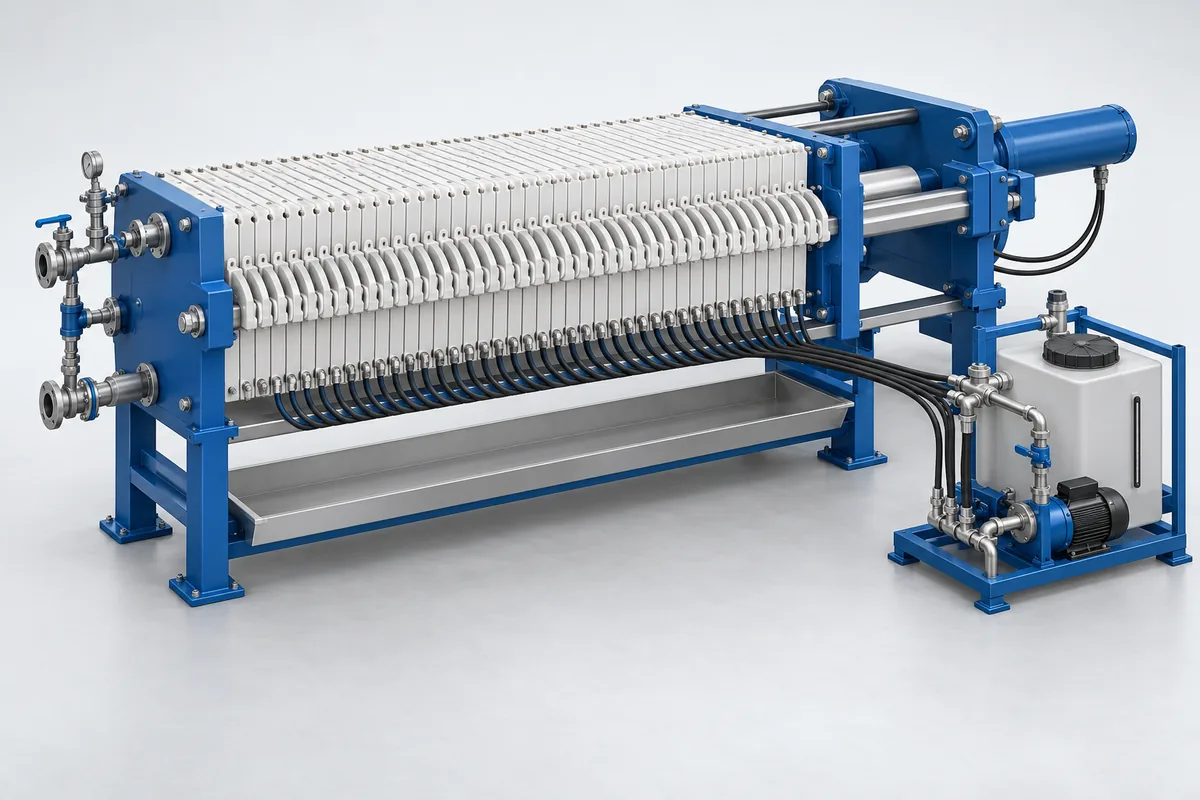
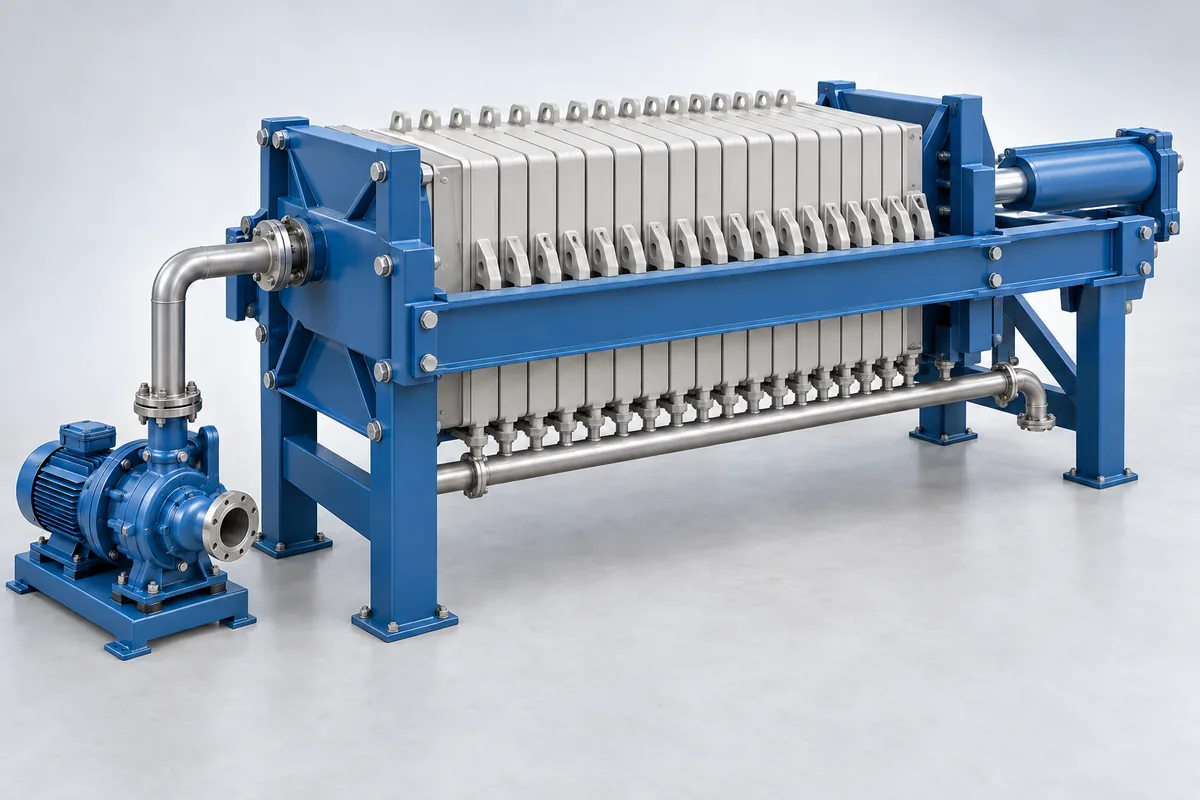
Micronics’ filter press FAQ describes this pressure filtration process and identifies the frame, plates, manifold, and cloth as key components.
Notice that “cake” doesn’t mean completely dry. A cake can hold its shape and still contain substantial moisture.
6 Practical Uses for a Filter Press
Filter presses are used wherever separating a slurry creates a more useful product, a reusable liquid stream, or a smaller waste burden. These six applications show how that translates into everyday plant operations. For more detail on material requirements, explore these filter press applications by industry.
1. Dewatering Wastewater Sludge
A filter press removes water from sludge generated by industrial or municipal wastewater treatment, making the remaining solids easier to handle and transport. This process is called sludge dewatering.
For example, a treatment system may collect solids after chemical precipitation, settling, or biological treatment. Those solids often arrive as a pumpable mixture containing much more water than dry material.
The press captures the solids and sends the filtrate to an appropriate treatment or recovery point. The discharged cake can then move to its approved disposal or beneficial-use route.
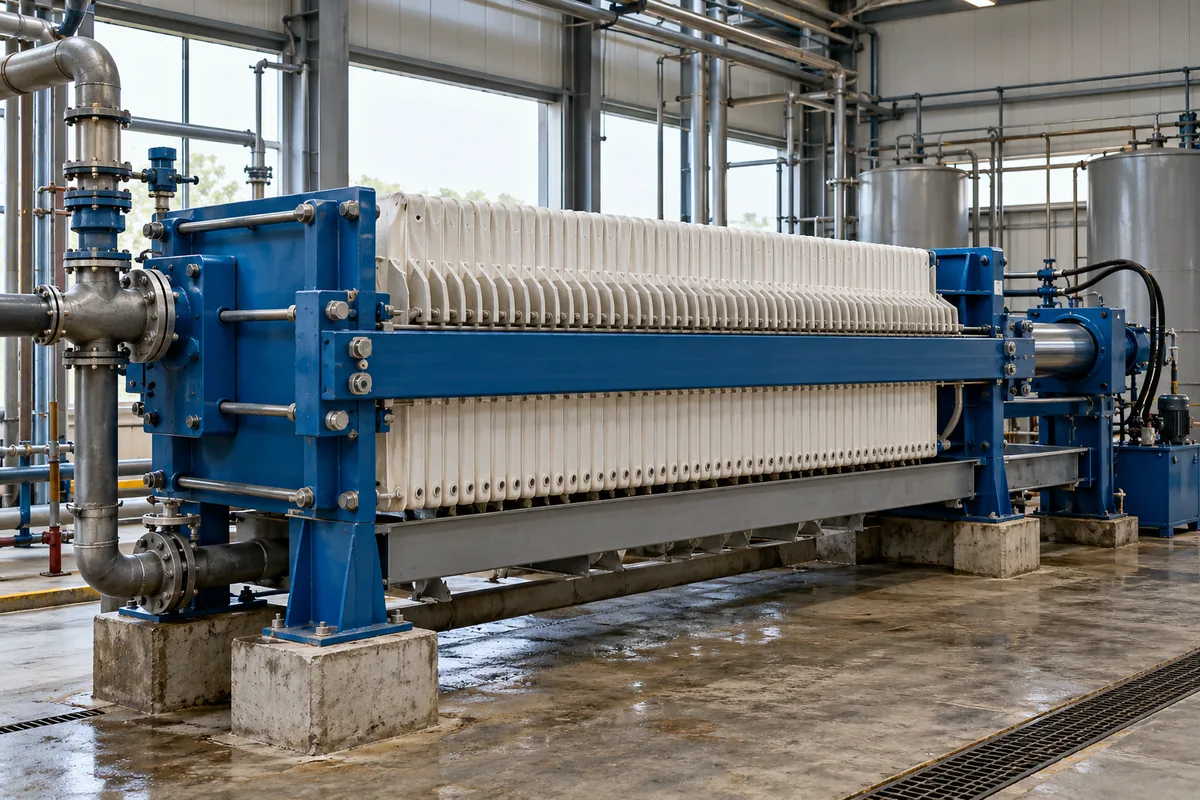
The EPA’s recessed-plate filter press fact sheet page confirms this use and notes that these presses are more common in industrial applications than municipal facilities.
The practical benefit is straightforward: removing water can reduce the amount of wet material you pay to haul.
However, dewatering doesn’t establish whether waste is hazardous or acceptable at a landfill. Those decisions depend on the material, testing, and the receiving facility’s requirements.
2. Dewatering Mining Tailings and Mineral Concentrates
In mining, filter presses dewater tailings and concentrates while recovering liquid that may be returned to the process. The objective changes with the stream: tailings need manageable disposal, while concentrates may contain the valuable product.
Consider a mineral processing plant that sends slurry from a thickener to a press. The press removes additional water, leaving a cake that can be handled by equipment suited to its properties.
McLanahan’s filter press guidance identifies mining tailings, aggregate wash-plant effluent, and mineral concentrates as established applications.
This is also where “dry stacking” can cause confusion. Filtered tailings still contain moisture. Whether they are suitable for stacking depends on geotechnical design, transport, compaction, drainage, and site conditions.
Drier tailings are one part of a storage plan. A press alone doesn’t establish the safety of the storage facility.
3. Recovering and Washing Chemical Products
Chemical manufacturers use filter presses to recover solid products and, with suitable equipment, wash soluble impurities from the cake. Typical materials include precipitates, crystals, pigments, and other process solids.
Imagine a product that forms as solid crystals in a reaction liquid. Filtration collects the crystals. A compatible wash liquid can then pass through the cake to displace some of the remaining process liquid, often called mother liquor.
That wash has two possible benefits:
- Improve the purity of the solid product by removing soluble contaminants.
- Recover valuable dissolved material remaining in the cake’s retained liquid.
The wash liquid also needs a destination. Depending on its composition, it may be recovered separately, recycled, or treated.
Cake washing and cloth washing serve different purposes. Cake washing treats the product. Cloth washing cleans the filtering surface so it can keep working effectively.
4. Clarifying Food and Beverage Process Streams
Food processors use appropriately designed filter presses to remove suspended particles from selected liquids or recover solid ingredients. Applications can include sugar processing, edible-oil processing, and ingredient production.
The target might be a clearer liquid. Or it might be a valuable solid collected from a manufacturing slurry.
Either way, equipment selection involves more than filtration performance. Product-contact materials, cleanability, temperature limits, and contamination control all matter. When comparing stainless steel filter press configurations, check the materials of every wetted component and the proposed cleaning arrangement.
A machine that handles wastewater successfully isn’t automatically suitable for food production.
And clarity doesn’t prove microbial safety. Food safety depends on the validated process as a whole, including any necessary treatment after filtration.
5. Recovering Water From Stone and Aggregate Slurry
Stone fabricators, ceramic producers, and aggregate plants use filter presses to separate fine mineral particles from process water. This can help return suitable water to cutting, washing, or other production steps.
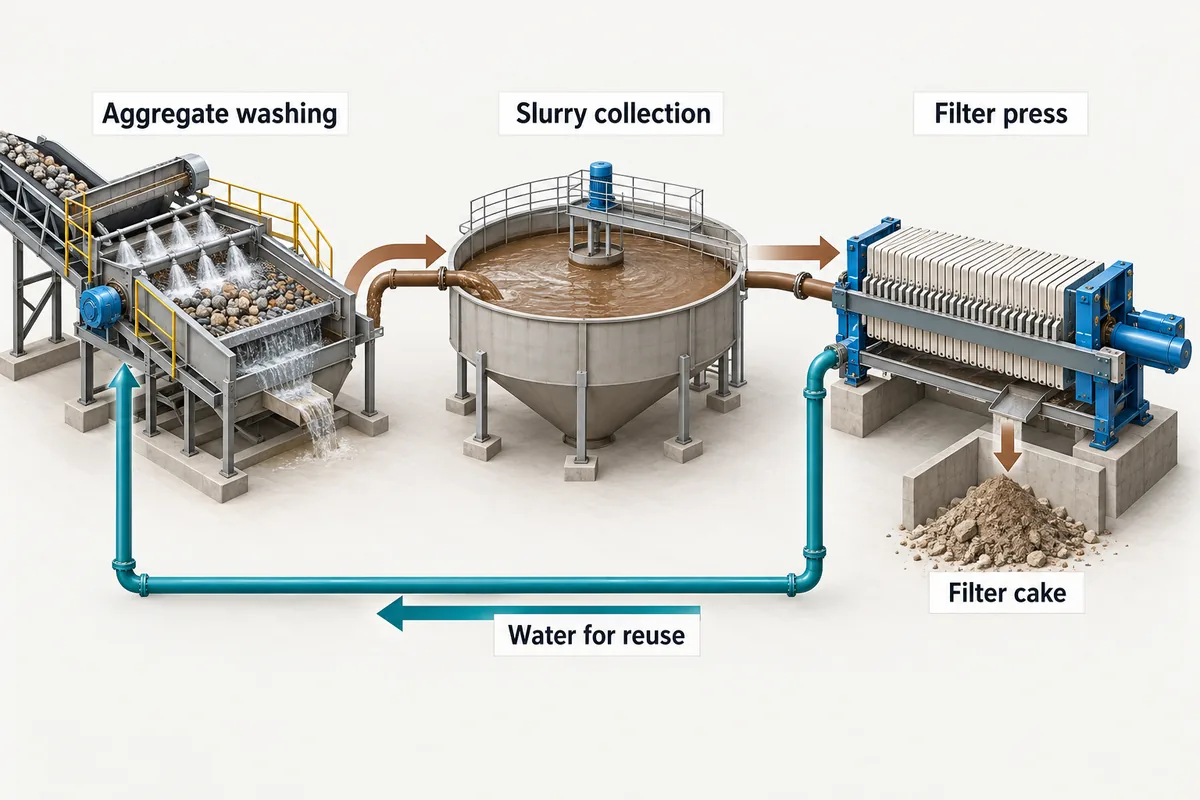
Picture a stone-cutting operation. Cooling and cutting water picks up fine particles. As those particles accumulate, the plant needs a way to remove them from the circulating water system.
A filter press can turn collected slurry into cake while recovering liquid for the water circuit.
The same principle applies to aggregate wash-plant fines and some ceramic slurries. But abrasive sand, sticky clay, and fine mineral powder can behave very differently during filtration.
That’s why the right filter cloth and a representative slurry test matter more than a general claim about which industry the machine serves.
A documented example makes this concrete. In McLanahan’s Stevens Creek Quarry case study, a system combining fines recovery, a paste thickener, and a filter press replaced the quarry’s settling pond. The manufacturer reports filter cake containing 75–80% solids and water returned to the wash plant.
Those are reported results for that material and equipment combination. They show what an integrated system can achieve; they aren’t a cake-dryness guarantee for other slurries.
6. Handling Metal-Bearing Sludge and Recycling Streams
Metal finishing and some battery recycling processes use filter presses to collect solid particles from treatment or recovery slurries. The captured material may require further refining, stabilization, or controlled disposal.
For example, wastewater treatment can convert dissolved metals into insoluble precipitates through an upstream chemical process. The press then separates those particles from the liquid.
The precipitation step creates filterable solids. The press performs the physical separation.
It doesn’t selectively pull every dissolved metal out of solution, and a metal-rich cake isn’t automatically a finished product. Recovery value depends on composition, contamination, and the next processing step.
How Does a Filter Press Work?
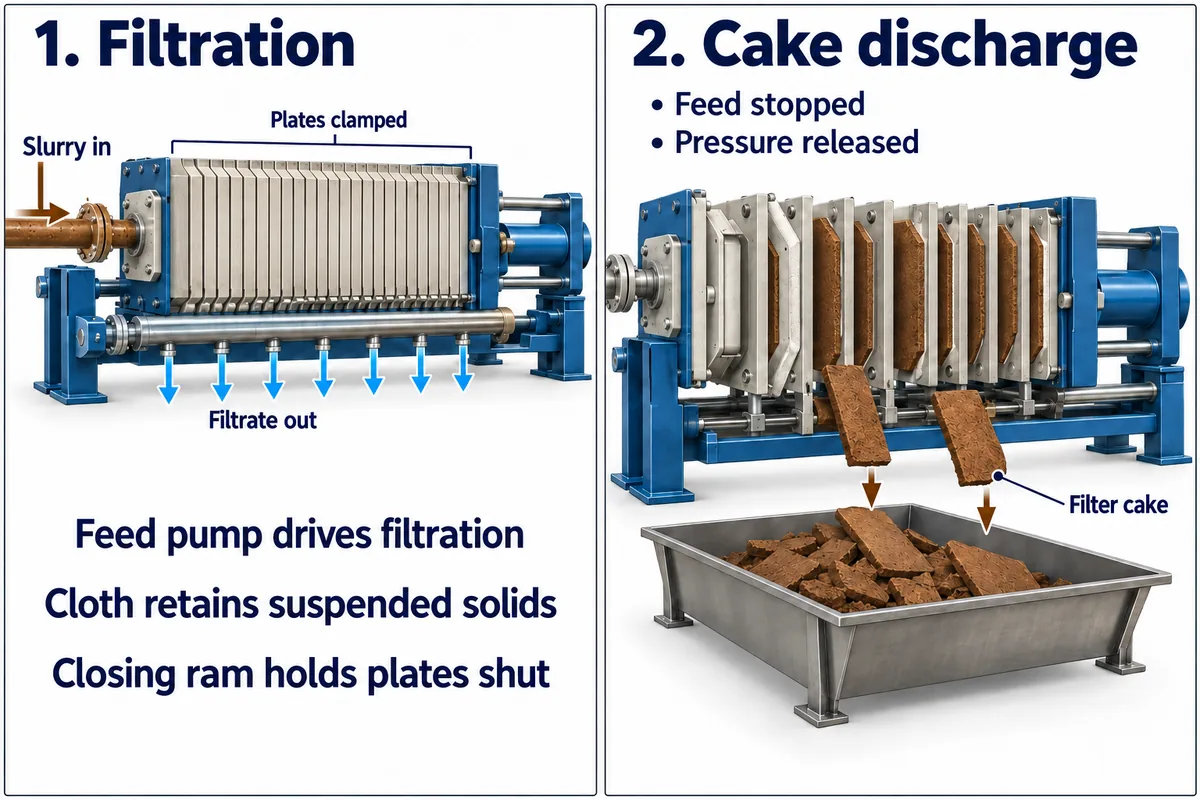
A conventional plate filter press works in batches: it closes, fills with slurry, filters, and opens to discharge the cake. Some systems add cake washing, membrane squeezing, or an air blow when the application and equipment design support them.
The basic sequence looks like this:
- Close and clamp the plates. A hydraulic or mechanical closing system holds the plate stack together and seals the chambers.
- Pump in the slurry. The feed pump creates the pressure difference that drives liquid through the filter cloth.
- Build the cake. Solids accumulate, and the growing cake becomes part of the filtering layer. Flow usually slows as resistance increases.
- Complete the specified cycle. Controls use validated criteria such as time, pressure, flow, or a combination. Optional treatment stages depend on the press design.
- Depressurize and discharge. After the required safe sequence, the plates separate and release the cake.
One useful distinction: in a conventional recessed chamber filter press, the hydraulic ram mainly keeps the plates closed. The feed pump supplies filtration pressure.
A membrane filter press adds flexible surfaces that can squeeze an already formed cake. That is a separate function from clamping the plate stack.
Automated plate shifting and cake discharge reduce manual handling. The underlying filtration cycle still remains a batch process. These filter press operating animations illustrate mechanisms such as plate shifting, diaphragm squeezing, and cake handling.
How Much Can Dewatering Reduce Waste Mass?
Dewatering can substantially reduce wet waste mass when the incoming slurry has a low solids concentration. You can estimate the effect with a simple mass balance, provided you state the assumptions.
Here’s an illustrative calculation, not a plant case study or a promised result.
Assume a plant processes 10,000 kilograms of slurry containing 5% dry solids by mass. Also assume complete capture of those solids, no added conditioning solids, and a final cake containing 40% dry solids by mass.
| Measure | Calculation | Result |
|---|---|---|
| Dry solids in the feed | 10,000 kg × 0.05 | 500 kg |
| Final wet cake mass | 500 kg ÷ 0.40 | 1,250 kg |
| Liquid separated | 10,000 kg − 1,250 kg | 8,750 kg |
| Reduction in wet mass requiring cake handling | (10,000 − 1,250) ÷ 10,000 × 100 | 87.5% |
The dry solids haven’t disappeared. They’re concentrated into a much smaller wet mass.
Also, 40% cake solids means 60% moisture by mass in this example. It doesn’t mean 40% moisture.
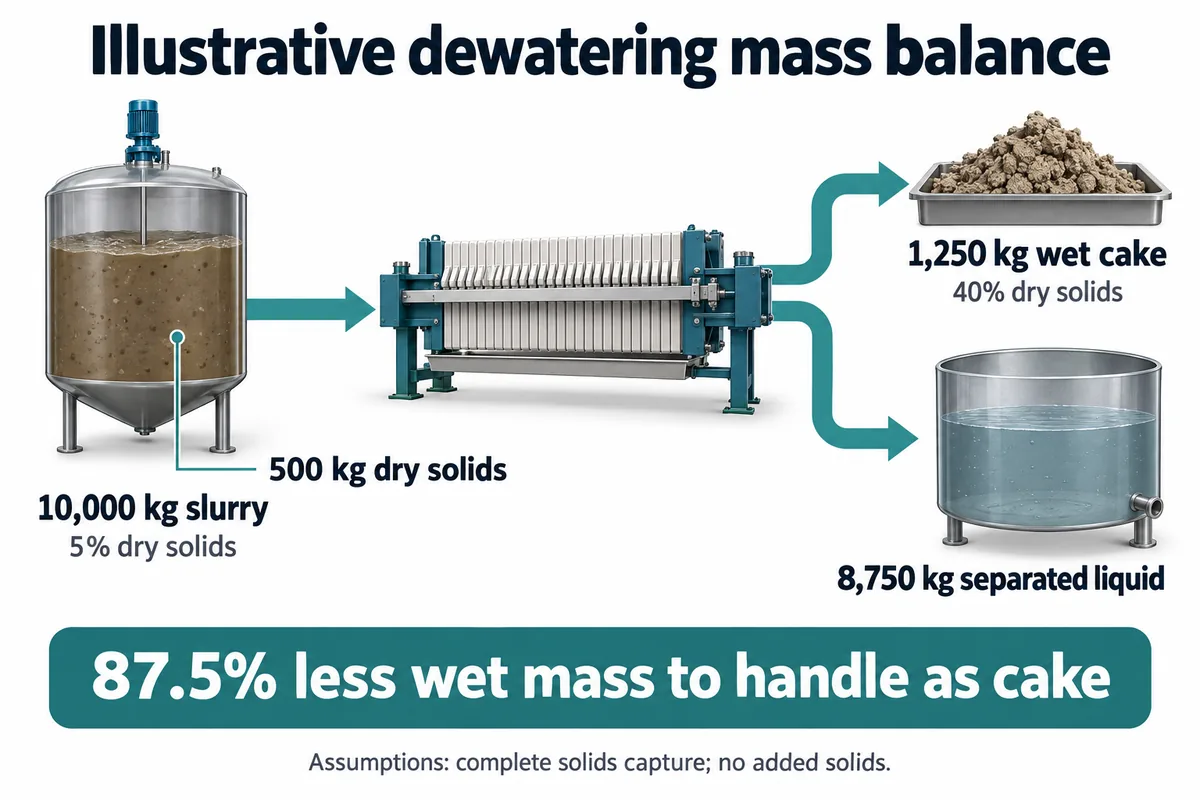
Your actual cake solids content depends on particle size, cake permeability, slurry chemistry, conditioning, and operating conditions. The 40% figure is an assumption for the calculation; a slurry test must establish an achievable result.
For a financial estimate, multiply avoided disposal mass by the relevant disposal rate, then account for electricity, labor, chemicals, maintenance, filtrate treatment, and equipment costs. If the plant already dewaters sludge, compare against its existing cake mass rather than the raw slurry mass.
Which Type of Filter Press Fits the Job?
Plate-and-frame, recessed chamber, and membrane presses differ in how they form chambers and handle the cake. Automation describes how the machine operates and can be applied to more than one plate design.
- Plate-and-frame filter press: Alternating plates and separate frames create spaces for cake formation. Filter media, cake washing, and discharge requirements influence its suitability.
- Recessed chamber filter press: Recesses in adjacent plates form the chambers. This is a common option for industrial sludge dewatering and mineral processing.
- Membrane filter press: Flexible membranes squeeze the formed cake after initial filtration. This can reduce residual liquid or improve the cycle when the material responds to squeezing.
A membrane press won’t deliver the same improvement on every slurry. Compressible material, cake structure, and the target moisture content all influence the benefit.
I recommend comparing test results for the actual feed before paying for a more complex configuration. A shorter cycle or drier cake should create enough value to justify the additional equipment and upkeep.
When Is a Filter Press a Good Choice?
A filter press is worth evaluating when cake dryness, solids recovery, or cake washing matters enough to justify batch operation. It works best as part of a system designed around both the incoming slurry and the outgoing streams.
Start with these questions:
- What do you want to recover? Define whether the solid, liquid, or both have value.
- How much dry material arrives each day? Slurry flow alone doesn’t describe the solids load.
- How variable is the feed? Changes in concentration, particle size, temperature, or chemistry can change filtration performance.
- What must the outputs meet? Specify cake moisture, purity, handling properties, and filtrate quality.
- How much operating time is available? Include filling, filtration, optional washing, discharge, and cleaning.
- What happens after separation? Confirm storage, conveying, treatment, reuse, and disposal requirements.
Pro tip: Ask the supplier to report dry solids processed per hour across the complete cycle. A pump flow rate or chamber volume alone can make capacity look more useful than it is. Use this guide to choosing a filter press size to organize the solids-load, chamber-volume, and cycle-time information for your enquiry.
McLanahan’s technical guidance recommends material testing before sizing because slurry permeability and surface area vary. Request representative testing, including difficult feed conditions, rather than relying on the easiest sample.
A useful test report should show cake solids, cycle time, filtrate quality, solids capture, conditioning dose, and how easily the cake releases.
What Are the Main Limitations?
Filter presses require cycle time, cloth care, and reliable cake discharge, and some slurries need conditioning before they filter effectively. These practical constraints can matter as much as final cake dryness.
Fine, sticky, or highly compressible particles may form a cake that resists liquid flow. Raising pressure doesn’t necessarily fix that problem; it can compact some cakes and make drainage harder.
Cloth blinding, damaged cloth, blocked passages, and uneven filling can also reduce performance. Track changes in cycle time and filtrate quality so maintenance decisions follow evidence.
If your process runs continuously, provide adequate slurry storage or arrange multiple presses so the production line can keep operating during discharge and cleaning.
Compare alternatives when appropriate. Belt presses, screw presses, and decanter centrifuges can offer continuous processing in suitable applications. Evaluate them on the same feed and output requirements, including total operating cost.
Frequently Asked Questions
The most useful filter press questions concern output quality, chemical conditioning, and how filtration fits into the rest of the process. These answers help turn a general equipment description into a practical decision.
Can You Reuse Filter Press Water?
You can reuse filtrate when testing confirms that it meets the requirements of the receiving process. Clear-looking liquid may still contain dissolved contaminants or microorganisms.
Returning it to a mineral washing circuit may require different quality limits from using it in a food process. Check the intended use and any discharge requirements before deciding its destination.
Does a Filter Press Need Chemicals?
Some applications need coagulants, flocculants, or other conditioning; others can filter effectively without them. The answer depends on the slurry and the required performance.
Test conditioning options and include their cost and effect on the cake. Extra chemicals can change disposal mass, product purity, and downstream treatment needs.
Is a Filter Press the Same as a Dryer?
A filter press removes liquid mechanically, while a thermal dryer removes moisture by evaporation. Pressing can reduce the drying load, but it doesn’t guarantee the final moisture required for every product.
If downstream drying is necessary, evaluate the press and dryer together. The driest achievable cake isn’t always the most economical choice if it requires a much longer press cycle.
Choose the Use Before You Choose the Machine
The right filter press application starts with a clear outcome: less wet sludge to handle, recoverable solids, suitable process water, or a washed product cake. Define that outcome, test representative slurry, and compare the complete operating cycle.
To discuss your filter press application, prepare a representative sample and specify daily dry solids load, target cake condition, required filtrate quality, and available operating hours. Those details turn a broad equipment inquiry into a measurable separation task.
Use those targets to decide what the equipment needs to accomplish at your plant. They give practical meaning to the question: What Is Filter Press Used for