Filter press troubleshooting starts by comparing pressure, filtrate flow, and cake condition with the last successful cycle. Use those differences to narrow the fault to sealing, hydraulic clamping, slurry feed, or filter cloths, then isolate and depressurize the press before inspection.
| Problem | Possible causes | First check |
|---|---|---|
| Press will not start | Active interlock, missing permissive, electrical fault | Read the alarm and confirm the required operating conditions |
| Slurry leaks between plates | Dirty sealing faces, folded cloth, damaged gasket, incorrect pressures | Stop the cycle; inspect the affected sealing surfaces after isolation |
| Hydraulic closing pressure drops | External leakage, cylinder seal bypass, valve fault | Compare pressure behavior with the specified holding sequence |
| Low slurry feed pressure | Starved pump, inadequate drive supply, worn pump parts, open bypass | Check feed availability and the pump’s operating condition |
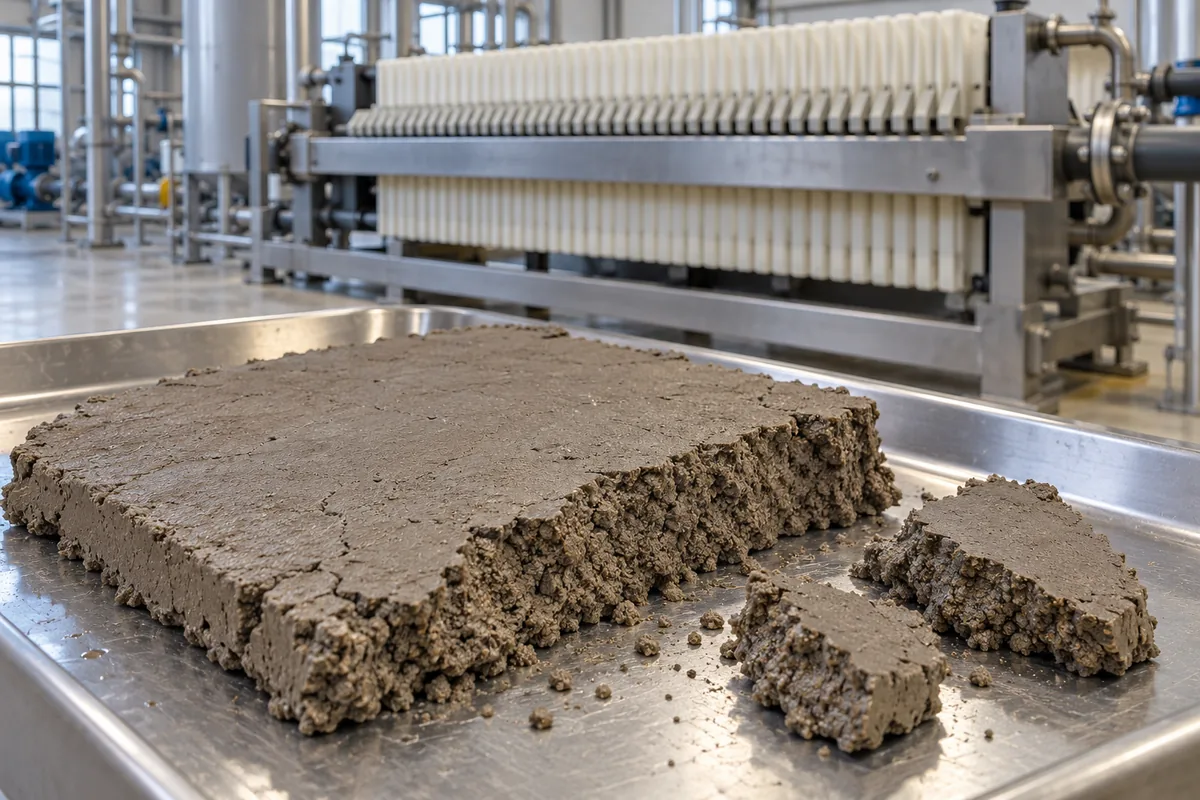
| Wet filter cake | Incomplete filling, blinded cloths, changed slurry, ineffective finishing stage | Compare cake thickness, feed solids, and cycle trends |
| Cloudy filtrate | Torn cloth, poor cloth fit, unsuitable media, changed fine particles | Identify whether contamination comes from one outlet or the whole press |
| Cloths blind repeatedly | Embedded fines, mineral scale, oil, excess polymer | Identify the deposit before selecting a cleaning method |
| Cakes have uneven thickness | Blocked feed ports, restricted drainage, incorrect plate sequence | Map the affected chambers and inspect their flow paths |
| Cake sticks to cloths | High moisture, sticky conditioning chemicals, unsuitable cloth surface | Compare cake solids and release behavior across the plate pack |
| Cycle time increases | Slow filling, poor drainage, longer discharge, mechanical delays | Time each stage separately to locate the delay |
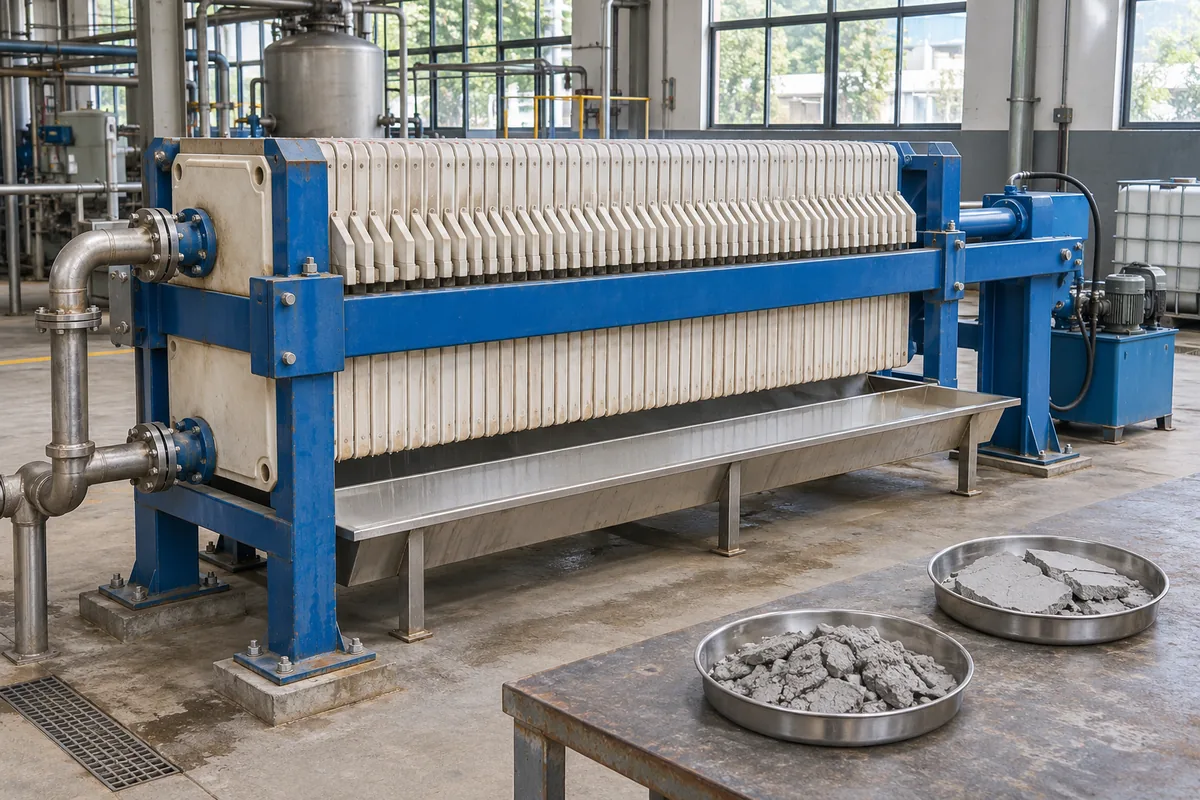
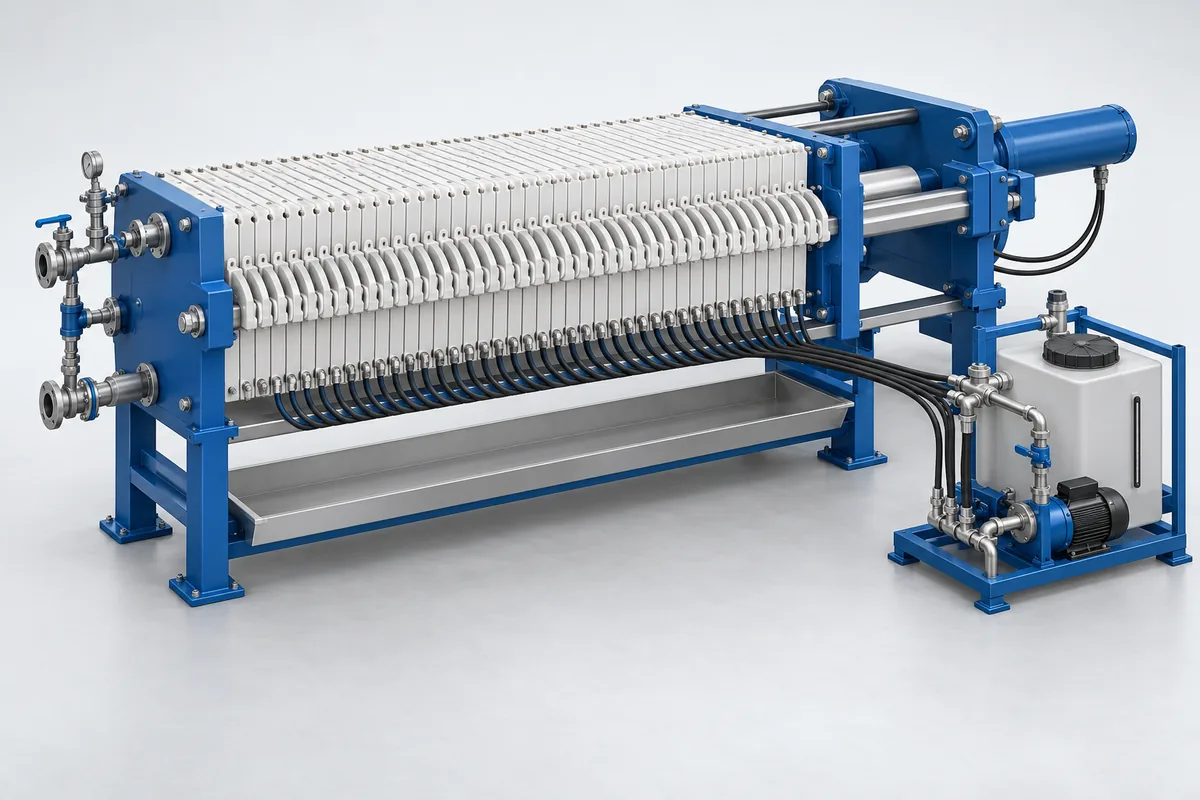
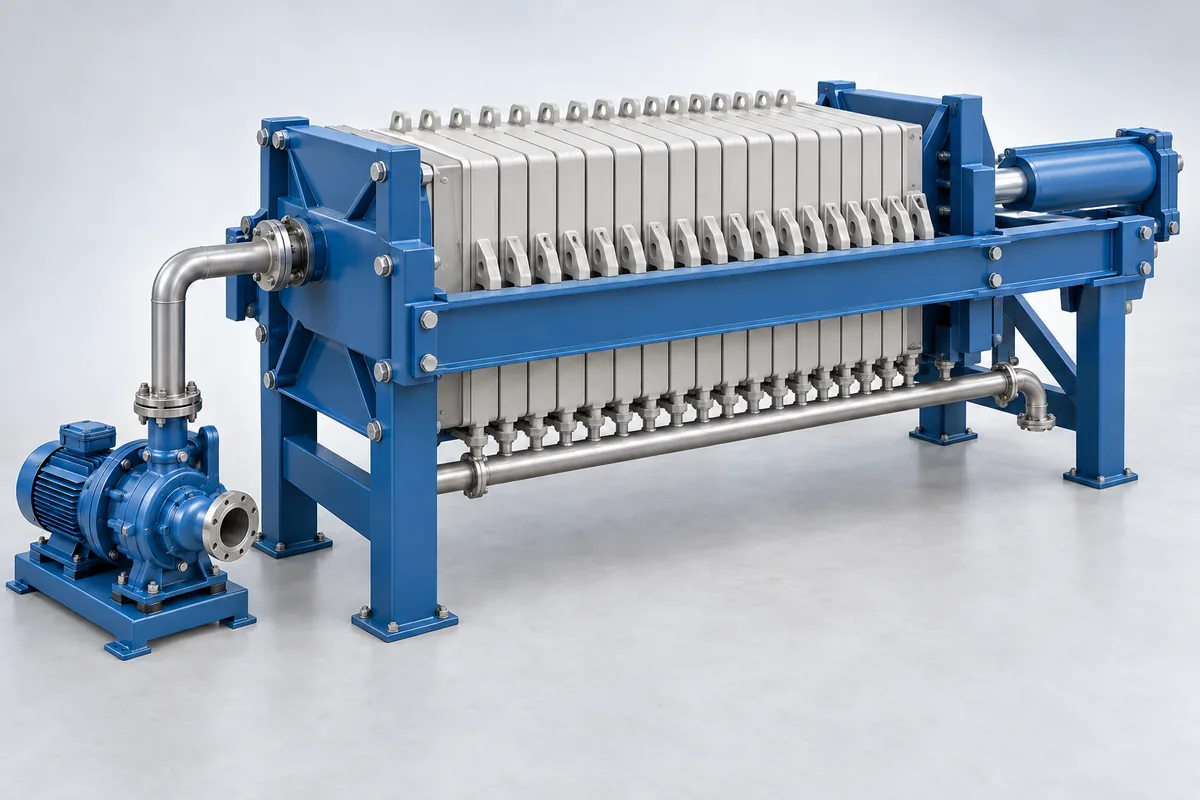
The checks here apply to recessed chamber, plate-and-frame, and membrane presses. If you’re unsure which design you have, compare the main filter press types before changing settings. Belt presses need a different troubleshooting procedure, and the squeeze and cake air-drying checks below apply only to machines fitted with those features.
Make the press safe before inspecting a fault
Stop the cycle and follow your site’s isolation procedure for that machine before reaching between plates, clearing blockages, disconnecting lines, or servicing components. Electrical power, hydraulic pressure, compressed air, trapped slurry pressure, and moving parts can all cause injury.
A stopped pump doesn’t prove the press is depressurized. A blocked port can leave pressure trapped in a chamber even when a remote gauge reads zero. OSHA’s guidance on hazardous energy control explains why maintenance procedures must account for stored energy as well as unexpected startup.
Before maintenance, trained personnel should:
- Isolate and lock out the relevant energy sources.
- Release or restrain stored energy using the manufacturer’s procedure.
- Verify isolation and depressurization at the specified locations.
- Secure components against unexpected movement and use the required protective equipment.
Treat a slurry jet, cracked plate, moving plate pack, or unexplained loss of clamping pressure as a reason to stop. Never tighten a pressurized connection, search for a hydraulic leak with your hand, or bypass a safety interlock.
Identify which pressure is actually wrong
Hydraulic closing pressure holds the plate pack together. Slurry feed pressure pushes liquid through the cloth and forming cake. A membrane press has a separate squeeze circuit, too, so the three readings describe different parts of the process.
The hydraulic ram maintains the seal while the feed pump supplies filtration pressure. On a conventional recessed chamber press, increasing closing pressure does not directly squeeze more water from the cake. Our membrane vs chamber filter press comparison explains where the extra squeeze stage fits.
Before changing settings, record:
- Hydraulic closing pressure and slurry feed pressure, with units and gauge locations.
- Filtrate flow and clarity at the same points in the cycle.
- Feed slurry solids, temperature, and relevant chemistry.
- Filling, filtration, squeeze, air-drying, and discharge times, where applicable.
- Cake thickness and moisture across representative chambers.
Ask what changed since the last good batch, and use a run with similar feed as your baseline. Compare readings at the same cycle stage: a pressure that is normal during filling may mean something different near the end of filtration.
Filter press troubleshooting
1. The filter press will not start
A press that won’t start may be waiting for a guard, sensor, or process condition. Read the alarm and check where the operating sequence stopped before replacing components.
Confirm that emergency stops are reset, guards are closed, the correct operating mode is selected, and the required utilities are available. Depending on the design, the controls may also need confirmation that the plate shifter is parked, the drip trays are positioned, or the press has reached its closing condition.
Write down the exact alarm and the stage where the sequence stops so maintenance and the next shift have the same information.
If an overload trips again after the approved reset procedure, stop resetting it. A qualified technician should investigate the motor, drive, electrical supply, or mechanical load. A failed position sensor also needs diagnosis; defeating it removes information the machine uses to operate safely.
2. Slurry leaks between the filter plates
Slurry can escape between plates when solids or cloth folds interrupt the seal, sealing surfaces are damaged, or the clamping and process pressures are wrong. Locate the leak from a safe position, stop the cycle, and inspect the area after isolation.
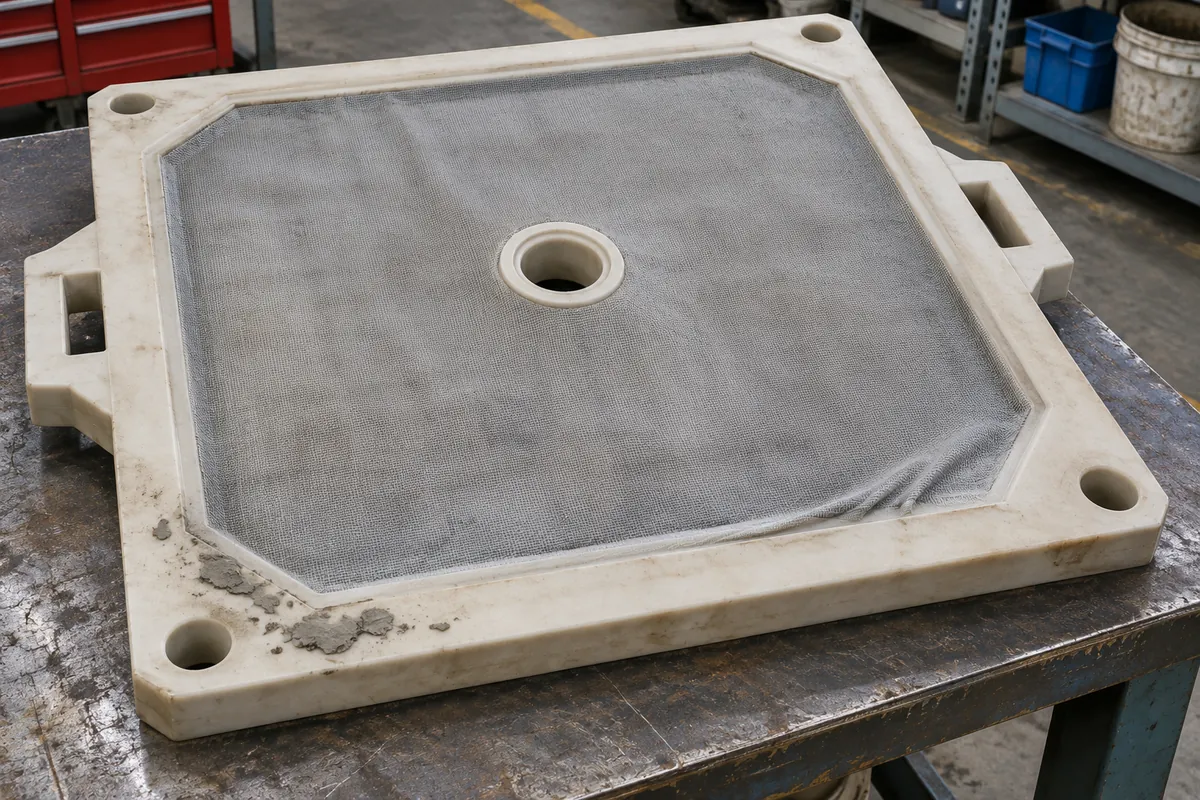
Inspect the sealing area in this order:
- Remove residual cake from sealing faces and support bosses using approved methods.
- Check that cloths sit flat and that feed openings line up.
- Inspect gaskets on gasketed plates for damage or displacement.
- Look for cracks, distortion, or erosion of the plate surface.
- Verify the closing and feed settings against the machine’s specifications.
Also check the filtrate discharge path. The discharge backpressure, excessive pumping volume, and unsuitable cloth selection are possible contributors to edge leakage.
Some non-gasketed designs allow limited seepage. Investigate any new leak or high-velocity slurry stream. If a cloth is folded across the sealing face, more clamping pressure won’t remove the fold.
3. Hydraulic closing pressure will not build or hold
If closing pressure won’t build or hold, check the hydraulic supply, cylinder, valves, controls, and pressure indication. Compare the pressure changes with the manufacturer’s holding sequence before blaming a seal.
Some systems automatically restore pressure within a designed range. Frequent replenishment, pressure falling outside that range, or an inability to reach the closing setpoint requires investigation.
Check the specified oil level and grade under the conditions given in the manual. Look for visible external leakage from a safe position. An air-over-oil unit also needs the correct compressed-air supply.
If those checks don’t explain the fault, a qualified technician can test the pressure instrument, pump output, cylinder seal bypass, and holding valves. A falling gauge reading alone won’t tell you which part has failed.
Don’t adjust relief settings by trial and error. Restore the approved settings and repair the cause before returning the press to service.
4. Slurry feed pressure stays low
Low feed pressure needs investigation when flow is also low or the chambers fail to fill. During early filling, low pressure can be normal because the cake has not yet created much resistance.
Start at the feed tank. Confirm that slurry is available and that settled solids are not restricting the outlet. Then check valve positions, suction restrictions, air entry, and any return or bypass line.
For an air-operated diaphragm pump, check the air supply under load and have maintenance inspect worn diaphragms and check valves when indicated. For other pump types, compare speed, operating conditions, and wear with the pump manufacturer’s guidance.
Check where each gauge sits. High pressure at the pump and low pressure at the press can indicate a restriction between them.
High pressure at the press with very little filtrate may indicate a full cake, blinded cloths, or restricted drainage. Read pressure alongside flow and cycle stage before changing pump settings.
5. The filter cake is too wet
Wet cake can mean the chambers haven’t filled, liquid isn’t draining properly, the feed has changed, or a squeeze or air-drying stage isn’t working. Check cake distribution and the cycle record before adding time to every batch.
For wastewater residuals, the U.S. EPA describes recessed-plate presses as equipment that removes water to produce a non-liquid cake. The moisture target for your process still needs to be measured and agreed.
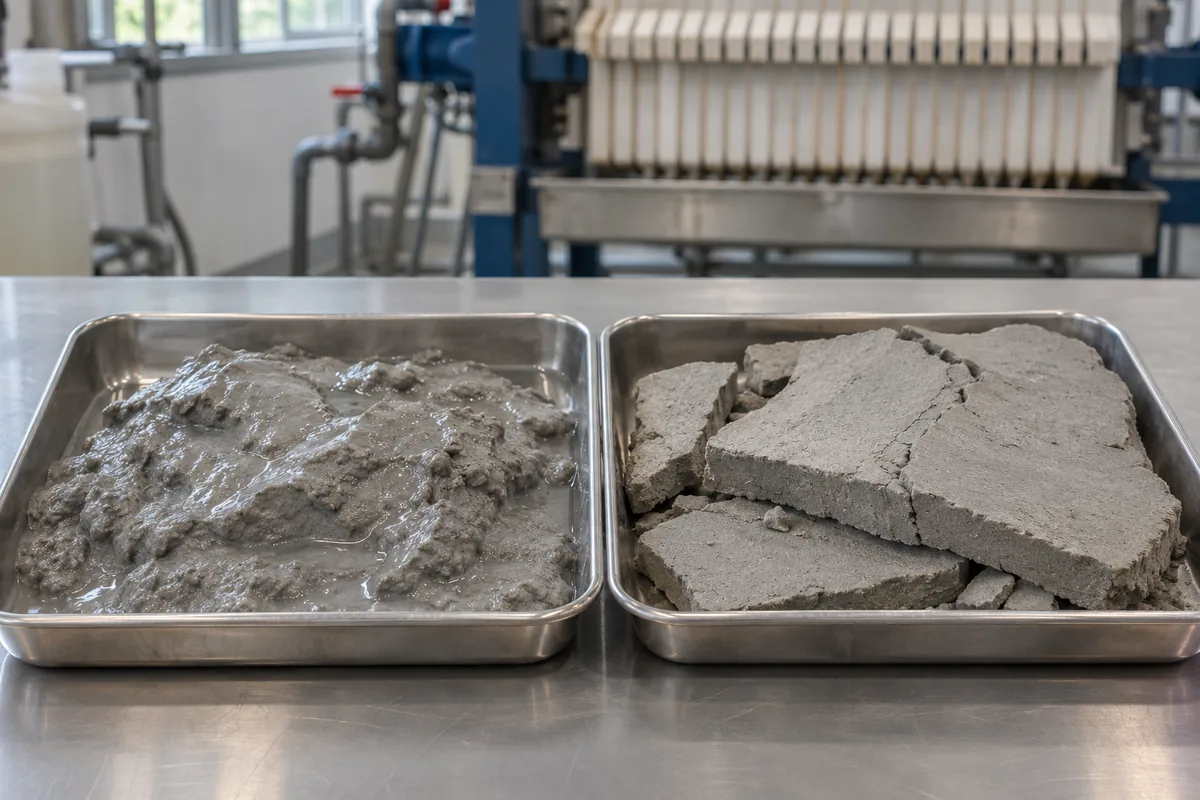
Check whether the chambers filled properly
Thin, patchy cakes or empty areas suggest a filling or distribution problem. Compare chambers near the feed end, middle, and far end, then investigate feed availability and blocked passages.
If the cakes are full and uniform but still too wet, look at cloth permeability, slurry composition, and when filtration ends. The particle characteristics, material composition, feed pressure, feed time, and additional dewatering stages are factors affecting cake solids.
Check changes in slurry conditioning
A change in coagulant, flocculant, pH, oil content, or feed solids can alter dewatering even when the equipment settings stay the same. Review recent process changes and use representative bench or laboratory filtration trials before changing chemical dosage.
Environmental engineer Zachary Beckman describes in Products Finishing how cloth fouling, feed-pump problems, and chemical conditioning can leave cake soupy or sticky. Excess polymer and poor polymer preparation can also make cloths sticky.
For membrane presses, verify the approved squeeze sequence and its prerequisites. Never inflate membranes in empty or inadequately filled chambers unless the manufacturer explicitly permits that operating mode. Where cake air drying is fitted, check its valve sequence and available airflow.
6. The filtrate stays cloudy
Filtrate that stays cloudy can mean solids are passing through damaged cloth, bypassing a seal, or passing through a cloth that cannot retain them. Check whether the problem comes from one chamber or the whole plate pack.
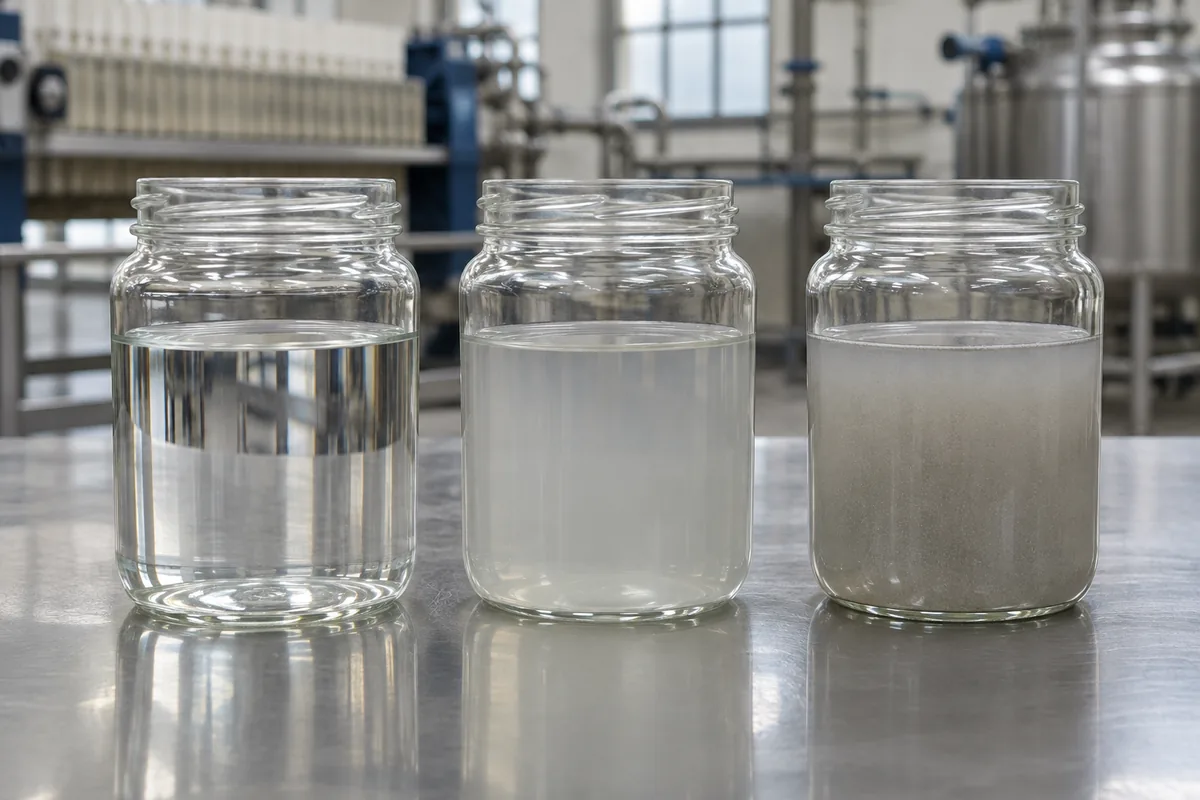
On an open-discharge press, one dirty outlet among clear outlets helps localize the fault. On a closed-discharge system, use only the installed sampling arrangements and the manufacturer’s diagnostic procedure.
After isolation, inspect the suspected cloth for holes, worn feed-neck areas, damaged seams, and poor seating. Check the plate beneath it for erosion.
M.W. Watermark links holes in filter cloths with cloudy effluent. If many outlets deteriorated after a process change, investigate particle size, conditioning, and cloth selection as well.
Some applications show initial turbidity while the cake forms. Establish an acceptable startup pattern through process testing, and collect or recirculate startup filtrate only where the approved process allows it. Clear-looking filtrate alone doesn’t demonstrate discharge compliance. In the United States, the EPA explains that NPDES permits set pollutant limits and monitoring requirements for covered discharges. Use the tests and limits that apply to your site’s discharge route.
7. Filter cloths keep blinding
Cloth blinding occurs when particles or deposits block the fabric and slow drainage. Match the cleaning method to the deposit, and check compatibility with the cloth, plates, gaskets, and cleaning circuit.
Loose solids, mineral scale, oil, and polymer residues may need different treatments. Use the process history and an inspection to identify the deposit. Ask the supplier or a laboratory for help if its composition is unclear.
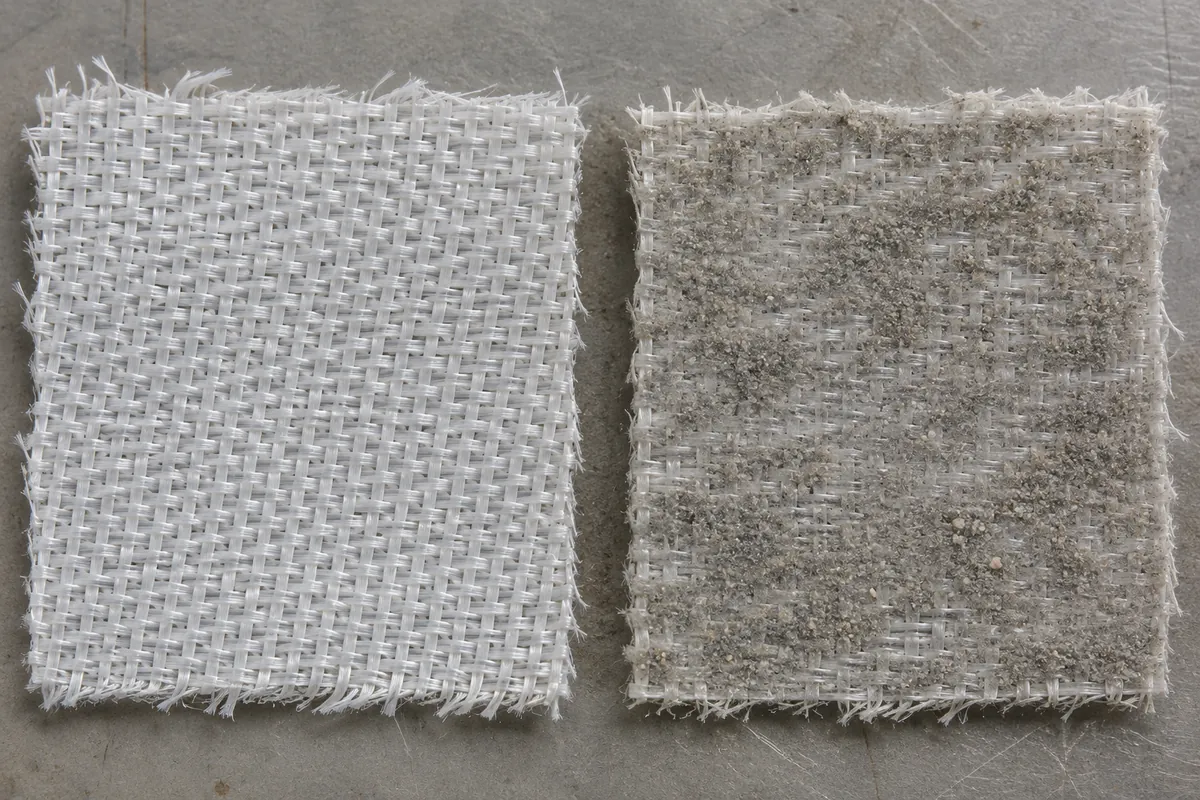
Once you’ve identified the likely deposit:
- Remove loose deposits with the approved rinse method.
- Inspect the fabric for abrasion, holes, stretching, and chemical damage.
- Select any chemical wash with the equipment and cloth suppliers.
- Follow the specified concentration, temperature, contact time, rinsing, and waste-handling procedure.
- Compare filtration performance before and after cleaning under similar feed conditions.
You should note that cleaning compatibility varies with cloth material. A cleaning solution suitable for polypropylene may be unsuitable for another fabric or a pump component.
Don’t copy an acid concentration or pressure-washer setting from a general article without checking it against your equipment. Concentrated jets can damage fabric, and incompatible chemicals can damage the cleaning system. Replace cloths when damage or persistent loss of performance makes cleaning ineffective.
Need a quote for replacement cloths or plates?
Send your press model, plate dimensions, material, operating conditions, and photos. We can review compatibility and prepare a quotation once the part specification is confirmed.
8. Cakes are uneven or some chambers stay empty
Uneven cakes suggest that slurry or drainage isn’t reaching every chamber equally. Record which chambers are affected before dismantling the plate pack, since the pattern can help locate the restriction.
After isolation, check feed ports, cloth openings, filtrate passages, and the plate sequence against the assembly drawing. Confirm that any replacement cloths or plates match the required specification.
Material left in the feed core can interfere with the next cycle. The feed-port buildup is a cause of subsequent filtration problems.
Suppose uneven cakes begin right after a cloth change, while feed chemistry and pump trends stay stable. In that hypothetical situation, check cloth orientation and port alignment first.
Blocked passages can also create unequal loading across plates. Keep a press with cracked, distorted, or displaced plates out of service pending qualified assessment. Do not drill ports or alter the plate count without manufacturer approval.
9. Filter cake sticks to the cloths
Cake may stick because it is too wet, contains excess polymer, or catches on embedded solids or an unsuitable cloth surface. Check measured cake solids alongside release behavior before adding drying time.
If the cake is wet throughout the press, investigate dewatering first. If it meets the moisture target but releases poorly, review cloth weave, surface finish, condition, and chemical conditioning with the supplier.
If sticking started after a cloth change or chemical adjustment, compare the affected chambers with those that still release normally. Check whether a new process cleaner entered the feed, too.
Use the approved discharge tools and keep clear of suspended or falling cake. Sharp scraping tools can tear cloths and damage plates. Lubricants, release agents, or filter aids should enter the process only after compatibility and product or waste requirements have been assessed.
10. The filtration cycle takes longer
A delay can occur during filling, filtration, finishing, or cake discharge. Time each stage separately to find where the extra minutes are going.
- If filling is slow, inspect feed availability, suction restrictions, pump output, and distribution.
- If filtration is slow, investigate cloth blinding, altered particle characteristics, conditioning, and drainage.
- For a long squeeze or air-drying stage, check the configured sequence and utility supply against the approved recipe.
- For slow discharge, investigate cake release, residual buildup, and plate-shifter faults.
A shorter batch helps only if it still meets the required cake solids, filtrate quality, and solids throughput. Ending a cycle early can make the timer look better while increasing the amount of water you haul away with the cake.
Track dry solids processed per operating hour alongside total cycle time so you can compare performance when feed concentration changes. If the required load has increased, use the filter press sizing guide to review chamber volume, filtration area, and the available operating schedule.
Measure the result before calling the problem fixed
Confirm a repair over representative cycles with similar feed conditions. Compare pressure trends, cake solids, filtrate quality, and throughput, and change one process variable at a time where practical so you can tell what helped.
For moisture measurement, use your laboratory’s validated method for the material. On a wet-mass basis:
Cake solids (%) = dry solids mass ÷ wet cake mass × 100.
Cake moisture (%) = 100 − cake solids (%).
The calculation below uses assumed values to show the effect of cake solids on wet mass. It is not a plant case study or a promised result.
| Measurement | Condition A | Condition B |
|---|---|---|
| Dry solids captured | 1,000 kg | 1,000 kg |
| Cake solids by wet mass | 25% | 30% |
| Wet cake mass | 4,000 kg | About 3,333 kg |
| Water in cake | 3,000 kg | About 2,333 kg |
At the same captured dry solids load, increasing cake solids from 25% to 30% reduces wet cake mass by about 667 kg, or 16.7%. That may reduce disposal costs where charges depend on weight; actual savings also depend on transport arrangements, minimum charges, and waste classification.
Record the fault, confirmed cause, corrective action, and restart results. If the symptom returns, the next shift should have enough information to continue the investigation.
Prevent recurring faults with targeted maintenance
Set maintenance intervals using the manufacturer’s requirements, slurry abrasiveness, operating hours, and wear records. Give recurring faults extra attention instead of waiting for the next scheduled inspection.
During routine discharge and inspections, use the approved procedure to check accessible sealing areas, cloth condition, feed cores, and plate alignment. Keep a record of cycle performance so you can investigate deterioration before it causes repeated production losses.
At scheduled maintenance, inspect hydraulics, pump wear components, instrumentation, and safety devices. Keep the correct cloths, gaskets, and critical wear parts available for your specific model.
There has a buildup around sealing areas to cloth wear and blowout risk. Cleaning frequency depends on the application; a difficult slurry may require attention every cycle. Deal with cloth damage promptly.
Need a filter press sized for your slurry?
Send your material, throughput with units, feed solids if known, target cake condition, and project country. We can review the available information and discuss a suitable configuration and quotation.
If the fault remains unexplained, send the supplier your model, serial number, alarm history, pressure and flow trends, feed data, and photographs taken safely after isolation. Those records help the supplier distinguish a component fault from a process change and decide what to check next in filter press troubleshooting